Ipamorelin is a selective pentapeptide growth hormone secretagogue (GHS) that mimics ghrelin’s action at the GHS-R1a receptor on pituitary somatotroph cells. Its pentapeptide structure — incorporating an Aib (alpha-aminoisobutyric acid) residue and a D-2-Nal modification — confer potent GHS-R1a binding with minimal off-target activity. This structural selectivity is why researchers who want to buy ipamorelin choose it over earlier-generation secretagogues such as GHRP-6 or GHRP-2. For a comprehensive background on ipamorelin’s pharmacology and research applications, see our CJC-1295 / Ipamorelin growth hormone guide.
Detailed Mechanism of Action
This peptide exerts its growth-hormone-stimulating effects through highly selective agonism at the growth hormone secretagogue receptor type 1a (GHS-R1a), also known as the ghrelin receptor. This G protein-coupled receptor (GPCR) is densely expressed on somatotroph cells of the anterior pituitary gland, and its activation triggers a cascade that includes intracellular calcium mobilization, protein kinase C (PKC) activation, and downstream GH vesicle exocytosis into the bloodstream. Researchers who buy this peptide for receptor-pharmacology studies rely on this selectivity to isolate GHS-R1a-specific effects without confounding signals from other hormone receptors.
What distinguishes ipamorelin from earlier-generation secretagogues like GHRP-6 and GHRP-2 is its near-complete lack of off-target hormonal stimulation. The landmark study by Raun et al. (1998) established that ipamorelin does not significantly elevate ACTH, cortisol, aldosterone, or prolactin at GH-effective doses — a selectivity profile not replicated by any other GH-releasing peptide characterized up to that point. This makes it uniquely valuable in studies where hormonal crosstalk must be minimized to isolate GH-axis effects. This is exactly why researchers specifically seek to buy ipamorelin rather than GHRP compounds for controlled research designs. For a broader view of how ipamorelin fits within the peptide landscape, see our complete guide to research peptides.
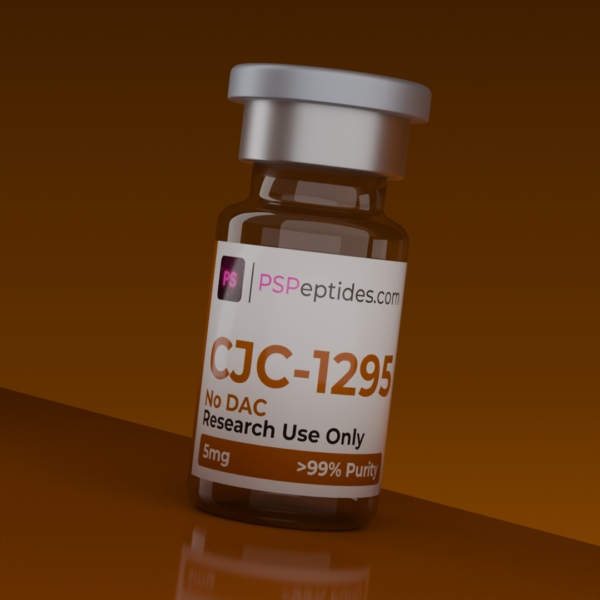
The compound produces dose-proportional, physiologically pulsatile increases in GH secretion. Multiple dosing pulses can reproduce the normal episodic pattern of GH release from the anterior pituitary — an important feature for models studying downstream IGF-1 production, tissue remodeling, protein synthesis, and metabolic regulation. Those who buy ipamorelin for combination studies most commonly pair it with CJC-1295 No DAC (Mod GRF 1-29), a GHRH analog that independently activates the pituitary GHRH receptor. Because GHRH-receptor and GHS-R1a signaling operate through separate but complementary intracellular pathways, co-administration produces synergistic GH release that exceeds either peptide administered alone — a finding replicated consistently across in vitro and rodent models.
In aging research contexts, pituitary responsiveness to secretagogue stimulation is maintained even as baseline GH secretion declines with age. This observation makes ipamorelin a useful pharmacological probe for distinguishing whether age-related GH deficits originate from reduced pituitary capacity or from deficient upstream hypothalamic signaling. Those who buy ipamorelin for longitudinal aging or longevity-model work find this mechanistic angle particularly valuable, and we recommend pairing these studies with our reference article on peptides for longevity and anti-aging research.

Published Research Highlights
The scientific foundation for ipamorelin is well-established. The pivotal characterization study by Raun K et al., published in the European Journal of Endocrinology (1998), described ipamorelin as the first selective growth hormone secretagogue, demonstrating potent dose-dependent GH release without the cortisol and prolactin elevations seen with GHRP-6 at equivalent doses. This work remains the definitive reference for researchers who buy it specifically for its hormonal selectivity. The original abstract is available via PubMed (PMID 9542516).
A second landmark study by Svensson J et al. (2000), published in the Journal of Bone and Mineral Research, examined the effects of chronic administration on bone metabolism using an ovariectomized rat model — the standard preclinical model for osteoporosis research. The data showed significant increases in bone mineral content and serum bone formation markers (osteocalcin and alkaline phosphatase) after sustained treatment, establishing a research avenue for GH secretagogues in bone and mineral metabolism. Researchers looking to buy the compound for bone-model work can access the full citation via PubMed (PMID 10739587).
More recent structural pharmacology work has characterized the Aib residue and D-2-Nal modification within ipamorelin’s pentapeptide sequence as the key determinants of its GHS-R1a binding selectivity. These structural insights have been used to inform design of next-generation biased agonists at the ghrelin receptor, with it consistently serving as the reference compound in these SAR investigations. Researchers who buy this peptide as a reference standard in comparative pharmacology studies should note the importance of ≥99% purity for reproducible receptor-binding data — a threshold that PSPeptides consistently meets and documents per batch. Additional guidance on evaluating purity documentation is in our guide to reading a peptide COA and our peptide half-life reference chart.
Ipamorelin vs. Comparable GH Secretagogues
| Feature | Ipamorelin | GHRP-6 | GHRP-2 |
|---|
| Receptor target | GHS-R1a (selective) | GHS-R1a + others | GHS-R1a + others |
| Cortisol elevation | Minimal / none | Significant | Moderate |
| Prolactin elevation | None | Moderate | Low |
| ACTH stimulation | None | Yes | Mild |
| GH release potency | High | High | Very high |
| Synergy with GHRH analogs | Strong (with CJC-1295) | Moderate | Moderate |
| Research selectivity score | Highest in class | Low | Moderate |
| Purity at PSPeptides | ≥99% HPLC verified | ≥99% HPLC verified | ≥99% HPLC verified |
Reconstitution and Handling Protocol
To reconstitute your ipamorelin vial for research, add bacteriostatic water (BAC water) slowly and gently to the lyophilized peptide powder. A standard approach for a 5 mg vial is to add 2.5 mL of BAC water, yielding a 2 mg/mL (2,000 mcg/mL) working solution. Inject the water down the side of the vial wall — never directly onto the peptide cake — and gently swirl without shaking until the powder is fully dissolved. For a complete step-by-step visual protocol, refer to our peptide reconstitution guide. For volume and dosing calculations, use our peptide dosage calculator guide. Bacteriostatic water is available separately in the PSPeptides store for those who buy it and need to purchase reconstitution supplies at the same time.
All reconstitution should be performed under aseptic conditions using alcohol-wiped stoppers and sterile syringes. Insulin syringes (0.3 mL or 0.5 mL, 28–31 gauge) are the standard tool for precise peptide volume delivery in research settings. When conducting combination studies with CJC-1295, always reconstitute ipamorelin and CJC-1295 in separate vials before combining the desired volumes in a single dosing syringe. Avoid using the same needle for both the BAC water vial and the peptide vial to prevent cross-contamination and maintain solution sterility throughout the study protocol. For additional injection technique references, see our guide on subcutaneous vs intramuscular peptide injection.
Storage and Stability Guidelines
Lyophilized powder should be stored at −20°C in a dry, light-protected environment. Under these conditions, the peptide powder is stable for 24 months or longer. Once reconstituted with bacteriostatic water, store the vial at 2–8°C in a standard laboratory refrigerator and use within 4 weeks.
Avoid freeze-thaw cycles on reconstituted solutions, as repeated cycling degrades peptide integrity over time. For long-term research protocols requiring extended storage of reconstituted peptide, aliquot the reconstituted solution into small single-use volumes before freezing. Researchers who buy the compound for extended multi-week study protocols should keep all unused vials sealed, clearly labeled, and frozen at −20°C until each vial is needed. Complete preservation and handling guidance is available in our peptide storage guide and our guide to detecting peptide degradation.
Certificate of Analysis
Every vial shipped by PSPeptides includes a batch-specific Certificate of Analysis (COA) generated by an independent third-party testing laboratory. The COA reports HPLC purity (expressed as area percentage, target: ≥99%), mass spectrometry confirmation of the correct molecular weight (711.85 g/mol for ipamorelin), and endotoxin testing results where applicable. This documentation differentiates a genuine research-grade supply from lower-quality sources.
When you buy this peptide from PSPeptides, your batch-specific COA is available on request through our support team. To understand how to interpret HPLC and mass spec results and evaluate what constitutes a passing certificate, read our comprehensive guide to reading a peptide COA. We also recommend reviewing our article on how to choose a research peptide supplier before any purchase decision.
Why Researchers Choose PSPeptides
- US Manufactured: All peptides — including this peptide — are produced domestically under strict quality controls, ensuring consistent batch-to-batch purity.
- Third-Party Tested: Independent HPLC and mass spectrometry verification is performed on every single batch, not just periodic spot checks.
- Fast Shipping: Free UPS 2nd Day Air on orders over $200. Orders placed before 2 PM EST ship same day.
- Flexible Payments: Credit cards, Afterpay, Klarna, Apple Pay, and Google Pay all accepted at checkout.
- 7-Day Support: Our research support team is reachable by email any day of the week to assist with protocol questions or order concerns.
- Transparent COAs: Batch-specific, third-party Certificates of Analysis are included with every order — not shared generic documents or placeholders.
Frequently Asked Questions
Why do researchers specifically buy Ipamorelin instead of GHRP-6 or GHRP-2?
The defining reason to buy the compound over GHRP-6 or GHRP-2 is its unmatched hormonal selectivity. Ipamorelin stimulates GH release through GHS-R1a without meaningful elevation of cortisol, ACTH, or prolactin — effects that occur with both GHRP-6 and GHRP-2. This clean profile means researchers can study GH-axis pharmacology in isolation, without confounding stress-hormone interference in their experimental data.
What is the most studied research combination with ipamorelin?
The most replicated research pairing is ipamorelin combined with CJC-1295 No DAC (Mod GRF 1-29). This combination activates two independent pituitary receptor pathways simultaneously — GHS-R1a via ipamorelin and the GHRH receptor via CJC-1295 — producing synergistic GH release greater than either peptide alone. Researchers who buy this peptide for combination-model studies should reconstitute each peptide in a separate vial before combining volumes in the dosing syringe. Our CJC-1295 + Ipamorelin guide provides full protocol context.
How should ipamorelin be reconstituted for laboratory research?
Add bacteriostatic water slowly down the inside wall of the vial — never directly onto the lyophilized peptide — and swirl gently without shaking until fully dissolved. For a standard 5 mg vial, adding 2.5 mL of BAC water yields a 2 mg/mL working solution. Store the reconstituted peptide at 2–8°C and use within 4 weeks. Full protocol steps are available in our peptide reconstitution guide.
What purity should I verify before I buy Ipamorelin for research?
Research-grade ipamorelin should meet ≥99% purity by HPLC (area percentage method) with mass spectrometry confirmation of the correct molecular weight (711.85 g/mol). Any supply below 98% purity introduces meaningful contaminant levels that can compromise experimental reproducibility and confound receptor-binding data. PSPeptides documents every batch at ≥99% purity with an independent third-party COA. Learn to evaluate these standards with our COA reading guide.
Can ipamorelin be used in multi-peptide research stacks?
Yes — this peptide is well-suited for multi-peptide research protocols precisely because its selectivity means it contributes targeted GH-axis stimulation without disrupting cortisol or prolactin measurements from other arms of the study. Researchers who buy it for stacked protocols can reference our peptide stacking guide, our overview of peptides for muscle growth and recovery, and our peptides for sleep and recovery research for relevant protocol frameworks.
Where can I verify that PSPeptides ipamorelin is genuinely research-grade?
Every order of each ipamorelin vial from PSPeptides includes a batch-specific third-party COA. This document confirms the HPLC purity percentage, mass spectrometry molecular weight verification, and any endotoxin results for that specific production batch. When you buy this peptide from PSPeptides you can request your COA directly through customer support, or visit our 2026 peptide supplier comparison to understand how we benchmark against industry alternatives. We also recommend reading our guide on research peptide legality in 2026 for regulatory context.
Understanding GH Pulsatility in Research
Growth hormone is not secreted continuously — it is released in episodic pulses, primarily driven by the balance between growth hormone releasing hormone (GHRH) and somatostatin (SST) at the hypothalamic level. Ipamorelin’s value as a research tool partly lies in its ability to augment these natural GH pulses rather than producing a flat, sustained GH elevation. Researchers who buy the compound for physiological GH-axis studies appreciate that the resulting GH secretion pattern more closely mimics endogenous pulsatility than continuous GHRH infusion protocols. Understanding GH pulsatility is foundational for interpreting ipamorelin data correctly — our peptide half-life chart provides additional context on pharmacokinetic considerations relevant to pulse dosing intervals.
This secretagogue has a short half-life — estimated at approximately 2 hours in rodent models — making it well-suited for studies requiring discrete, timed GH pulses. This short window means the peptide clears rapidly between dosing intervals, which supports clean experimental designs where each dosing event is intended to trigger a distinct, quantifiable GH response. Those studying GH pulsatility in aging, metabolic disease, or endocrine disruption models often ipamorelin precisely because this predictable pharmacokinetic profile enables highly controlled experimental timing.
Ipamorelin in Combination Research Models
The most reproducible enhancement of GH secretion in research models occurs when ipamorelin is combined with a GHRH analog such as CJC-1295 No DAC. This pairing takes advantage of the fact that GHS-R1a (activated by ipamorelin) and the GHRH receptor (activated by CJC-1295) are expressed on the same somatotroph cells but couple to GH secretion through independent second-messenger cascades. The result is a synergistic amplification of GH output that neither peptide achieves alone at equivalent doses. Researchers looking to buy this peptide for synergy studies should review our detailed CJC-1295 and ipamorelin combination research guide.
Beyond the CJC-1295 pairing, ipamorelin has been examined in combination with other peptides in multi-arm research designs. Because it does not meaningfully affect cortisol or prolactin, adding this peptide to a protocol that includes peptides with anti-inflammatory or tissue-repair mechanisms — such as BPC-157 or TB-500 — does not introduce hormonal confounds for the GH-axis readout. Researchers who buy it for multi-peptide stacking designs can reference our comprehensive peptide stacking guide and our overview of peptides studied for sleep and recovery research applications.
Related Resources
Where nasal administration suits the study design better, Ipamorelin in intranasal spray form is available as a ready-to-use alternative.
All PSPeptides products are sold exclusively for laboratory and research use. Not intended for human consumption.





 Made & Shipped