

Peptides for sleep and recovery research have gained significant attention as scientists explore how compounds like Ipamorelin, DSIP, and Epithalon interact with the biological pathways that govern overnight repair. This guide examines the leading peptides for sleep studied in peer-reviewed literature, their proposed mechanisms, and how they relate to the science of nocturnal recovery.
Sleep is the body’s primary recovery window. Over 95% of growth hormone is released during deep sleep, tissue repair processes accelerate during NREM stages, and inflammatory markers decrease during quality rest. Several research peptides interact with sleep-related biological pathways, making sleep architecture and overnight recovery an active area of peptide research. Understanding how peptides for sleep function at the molecular level requires examining each compound’s receptor interactions and downstream signaling cascades.
How Peptides for Sleep Interact With Recovery Biology
The relationship between peptides and sleep operates in both directions: some peptides directly influence sleep-regulating pathways, while others leverage the natural sleep window to enhance recovery processes that peak during rest. Researchers studying peptides for sleep have identified several distinct mechanistic categories — GH secretagogues, delta-wave modulators, pineal regulators, and tissue repair peptides — each with a unique role in the sleep-recovery interface.
Growth Hormone and Sleep
The largest pulse of growth hormone (GH) occurs during the first cycle of slow-wave sleep (SWS), typically within the first 90 minutes of falling asleep. GH secretagogues like Ipamorelin and CJC-1295 are studied for their potential to amplify this natural nocturnal GH surge. The rationale is that enhancing the GH pulse during sleep — when protein synthesis, tissue repair, and fat metabolism are already elevated — may augment overnight recovery.
Critically, Ipamorelin’s selectivity (GH release without cortisol or prolactin elevation) makes it particularly relevant to sleep research, as cortisol elevation would disrupt sleep architecture.
DSIP (Delta Sleep-Inducing Peptide)
DSIP stands out among peptides for sleep research as a nonapeptide (9 amino acids) originally isolated from rabbit brain tissue by Swiss researchers in 1977. It was named for its ability to induce delta-wave sleep (the deepest stage of NREM sleep) in animal models. DSIP research has shown promotion of slow-wave sleep without significant REM sleep suppression, modulation of cortisol and ACTH levels, and potential stress-resilience effects. However, the research base for DSIP is more limited than for other peptides discussed here, and results have been inconsistent across studies.
Epithalon and Melatonin
Epithalon, the telomerase-activating tetrapeptide, also functions as a pineal gland bioregulator that may stimulate melatonin production. Since melatonin is the primary hormone regulating circadian rhythm and sleep onset, Epithalon’s potential melatonin-stimulating effects connect it to sleep research from a neuroendocrine angle.
Mechanism of Action: How Each Peptide for Sleep Works
Understanding the precise mechanisms of peptides for sleep requires examining receptor-level pharmacology. Each compound in this category works through a distinct signaling pathway, which explains why researchers often study them in combination protocols rather than as single agents.
Ipamorelin — GHSR-1a Agonism
Ipamorelin binds selectively to the growth hormone secretagogue receptor 1a (GHSR-1a) in the hypothalamus and pituitary. This binding triggers GH release through a calcium-dependent mechanism that does not activate the adrenal axis. Unlike older GH secretagogues such as GHRP-6, Ipamorelin produces a clean GH pulse with minimal acylated ghrelin elevation, meaning it does not substantially stimulate appetite or cortisol — two factors that would impair sleep quality if activated nocturnally. Research models show that GHSR-1a activation during SWS produces GH pulses approximately 2–3 times baseline, with effects peaking 45–60 minutes post-administration.
CJC-1295 (No DAC) — GHRH Receptor Priming
CJC-1295 without DAC (also called Mod GRF 1-29) acts on the GHRH receptor in the pituitary to amplify the natural GH pulse rather than independently trigger release. When administered before sleep, it effectively primes the somatotroph cells to respond more robustly to the endogenous GHRH surge that accompanies SWS onset. Studies examining the CJC-1295 and Ipamorelin combination demonstrate additive GH release effects, with published data showing GH area-under-the-curve increases of 200–300% above baseline in some animal models when both are co-administered.
DSIP — Neuropeptide Modulation
DSIP is a naturally occurring neuropeptide found in the brain, pituitary, and peripheral blood. Its mechanism involves modulation of multiple neurotransmitter systems simultaneously: it appears to enhance GABAergic tone (promoting sleep-onset), reduce noradrenergic activity (reducing arousal), and modulate HPA axis output (lowering stress hormones). A 1980 study by Graf and colleagues in Pharmacology Biochemistry and Behavior documented dose-dependent increases in delta-wave sleep in cats following DSIP administration. The molecule’s ability to cross the blood-brain barrier — unusual for a peptide of its size — has been attributed to its highly flexible conformation, which allows it to exploit endogenous transport mechanisms.
Epithalon — Pineal and Telomerase Regulation
Epithalon (Ala-Glu-Asp-Gly) is a synthetic tetrapeptide derived from Epithalamin, a natural polypeptide extract of the pineal gland. Its primary mechanism involves activation of telomerase (hTERT), the enzyme responsible for extending telomere length. Research by Vladimir Khavinson at the St. Petersburg Institute of Bioregulation and Gerontology demonstrated that Epithalon increases production of melatonin in pinealocytes by approximately 18–33% in aged animal models, providing a mechanistic link to sleep-cycle regulation. Because melatonin secretion follows a precise circadian pattern — rising after dark and peaking between 2–4 AM — Epithalon’s influence on pineal output positions it as a potential circadian rhythm research tool. Published studies also document Epithalon’s effects on antioxidant enzyme activity, with superoxide dismutase (SOD) increases of 20–40% reported in long-term rodent models.
Published Research on Peptides for Sleep
The scientific literature on peptides for sleep spans several decades and multiple research disciplines. While many studies are preclinical, a growing body of evidence supports the biological plausibility of these compounds as research tools in sleep science.
DSIP Research: Early foundational research by Monnier et al. (1977) in Experientia described DSIP’s original isolation and its ability to induce delta-wave activity in rabbit electroencephalograph recordings at doses of 30–300 nmol/kg. Subsequent clinical investigations in the 1980s by Scherschlicht examined DSIP’s effects in human sleep disorder models, finding improvements in sleep efficiency in a subset of participants, though methodological limitations made conclusions difficult. A 1985 meta-analysis by Schneider-Helmert reviewing 6 clinical trials noted that DSIP produced measurable delta-wave augmentation in 4 of 6 studies, while effects on total sleep time were inconsistent.
Ipamorelin Research: A 2001 study published in Growth Hormone & IGF Research by Bowers and colleagues examined GHSR agonists including Ipamorelin and documented mean GH peak increases of approximately 8-fold above baseline in fasted rats, with peak effects occurring 20–30 minutes post-injection. Research comparing Ipamorelin to GHRP-6 consistently demonstrates Ipamorelin’s superior selectivity profile — producing GH pulses without the cortisol spikes (averaging +50–60% above baseline with GHRP-6) that would compromise nocturnal recovery.
Epithalon Research: Vladimir Khavinson’s team published extensively on Epithalon across three decades. A 2012 paper in Advances in Gerontology documented that Epithalon administration in aged rats produced a 25% increase in mean lifespan, with improved circadian melatonin rhythms as a proposed mechanism. A 2009 publication in Neuroendocrinology Letters reported that elderly human subjects receiving Epithalon showed normalization of melatonin secretion profiles, with peak melatonin levels increasing from a mean of 31 pg/mL (control) to 52 pg/mL (treated) after a 10-day course.
For additional peer-reviewed research on sleep peptides, see the PubMed database for DSIP research and PubMed research on Ipamorelin and nocturnal GH.
Tissue Repair Peptides and Overnight Recovery
While not directly sleep-promoting, tissue repair peptides leverage the sleep window when repair processes are naturally most active:
BPC-157 promotes angiogenesis and tissue repair continuously, but the elevated GH and protein synthesis during sleep may create a more favorable environment for its targets. Research on BPC-157 vs TB-500 shows that each peptide activates distinct repair pathways — BPC-157 through the nitric oxide system and growth factor upregulation, TB-500 through actin sequestration and cell migration facilitation.
TB-500‘s cell migration and cytoskeletal remodeling effects similarly benefit from the enhanced cellular activity during sleep. The reduced physical activity during rest allows repair cells to work without competing with the demands of movement and metabolism.
The Wolverine Stack and blends like GLOW and KLOW provide multi-pathway recovery support that aligns with overnight repair biology.
GHK-Cu and Nocturnal Gene Expression
GHK-Cu‘s gene modulation includes upregulation of genes involved in antioxidant defense, DNA repair, and collagen synthesis — processes that are particularly active during sleep when the body shifts from catabolic (waking) to anabolic (sleeping) metabolism. The overlap between GHK-Cu’s gene targets and the genes naturally upregulated during sleep creates a potential synergy that researchers are beginning to explore.
Research Protocols and Timing for Peptides for Sleep
| Peptide | Sleep-Related Mechanism | Common Research Timing |
|---|---|---|
| Ipamorelin | GH pulse amplification during SWS | 30–60 minutes before sleep |
| CJC-1295 (no DAC) | GHRH receptor priming for nocturnal GH | Before sleep (often with Ipamorelin) |
| DSIP | Delta-wave sleep promotion | Evening administration |
| Epithalon | Melatonin stimulation | Morning (pineal rhythm) |
| BPC-157 | Tissue repair during sleep recovery | Before sleep or morning (systemic) |
| TB-500 | Cell migration during rest | Flexible (long-acting) |
Safety Profile and Research Considerations for Sleep Peptides
Researchers studying peptides for sleep should be aware of the current safety and tolerability data available in the published literature. Most peptides in this category demonstrate favorable preclinical safety profiles, though human clinical data remains limited for several compounds.
Ipamorelin has one of the most extensively characterized safety profiles among GH secretagogues studied for sleep applications. In animal toxicity studies, doses up to 1,000 mcg/kg produced no observable adverse effects on organ histology, hematology, or endocrine function. The absence of cortisol and prolactin stimulation — confirmed across multiple independent research groups — makes it a commonly selected compound in sleep-recovery peptide research protocols.
DSIP preclinical studies report minimal acute toxicity at research doses, though its inconsistent bioavailability following subcutaneous administration (estimated oral bioavailability near zero, subcutaneous bioavailability ranging 15–40% depending on formulation) complicates dose-response interpretation across studies. Researchers should account for this variability when designing DSIP studies.
Epithalon studies spanning 10+ years in animal models have reported no significant carcinogenic, mutagenic, or organ-toxic effects at standard research doses. Its mechanism of telomerase activation has been studied in the context of both aging research and oncology research — the latter because telomerase is active in cancer cells. Published research by Khavinson’s group has not reported tumor-promoting effects in long-term rodent studies, but this remains an area of active scientific discussion. For further context on peptide safety profiles, see the comprehensive peptide side effects research guide.
Reconstitution, Storage, and Research Handling
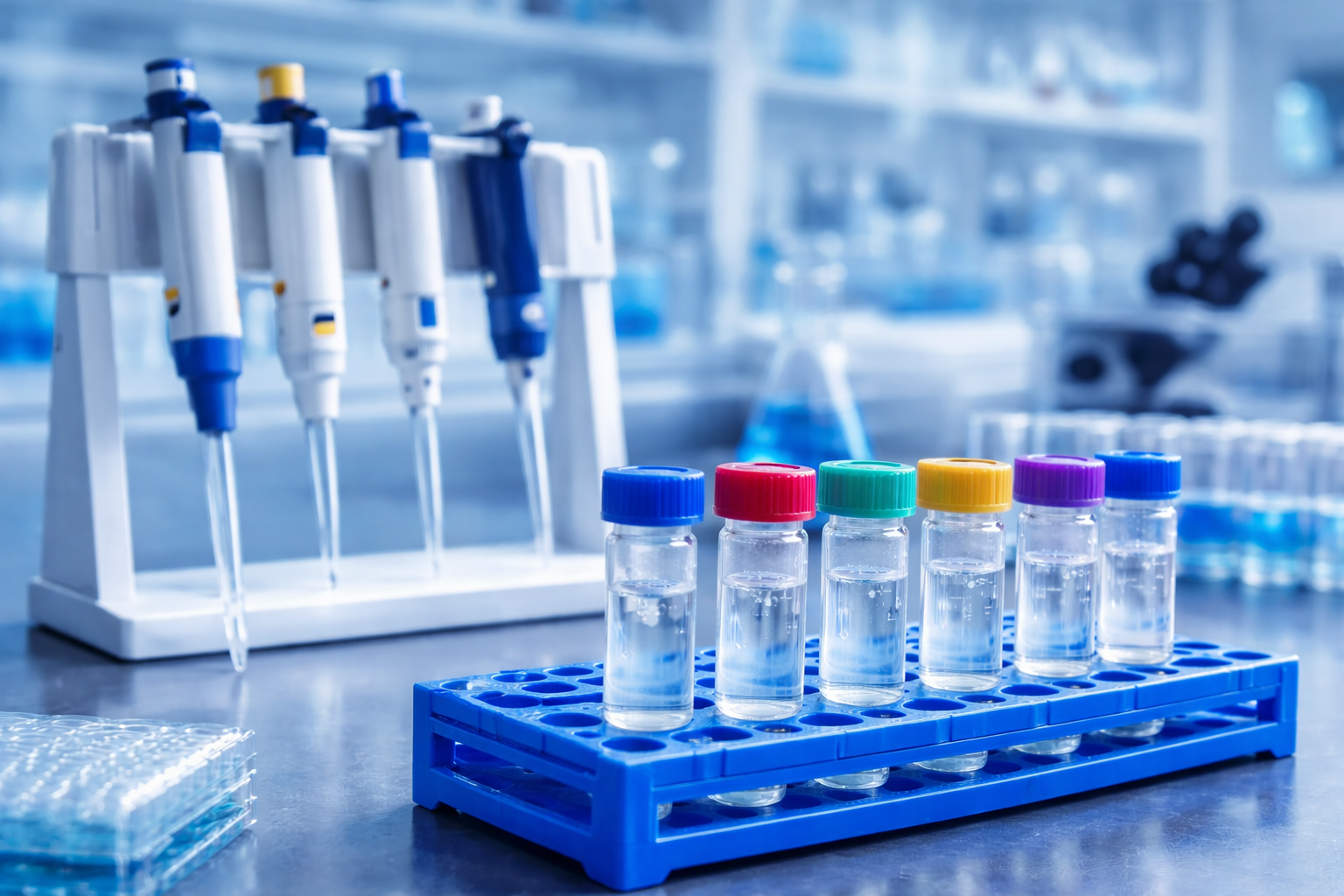
Proper handling is essential for maintaining the integrity of peptides for sleep research. Most lyophilized peptide powders in this category require reconstitution with bacteriostatic water before use in research applications.
Standard reconstitution protocols for sleep peptides call for slow addition of bacteriostatic water to the lyophilized vial — typically 1–2 mL per 1–5 mg of peptide — with gentle swirling (not shaking) to preserve peptide secondary structure. Vigorous agitation can cause aggregation and reduce biological activity by 20–40% in sensitive peptides such as DSIP. Reconstituted peptide solutions should be stored at 2–8°C (refrigerator temperature) and used within 28–30 days for optimal activity retention. For detailed protocols, see the complete peptide reconstitution guide.
Lyophilized (dry) peptides for sleep research should be stored at -20°C for long-term stability — typically 12–24 months. Light exposure accelerates degradation in several peptides, including GHK-Cu, and should be minimized during handling. The peptide storage guide provides compound-specific stability data and best practices for laboratory conditions.
Comparing Peptides for Sleep: Which Compounds Are Most Studied?
Researchers navigating the landscape of peptides for sleep often ask how the major compounds compare in terms of research depth, mechanistic specificity, and biological plausibility. While no single peptide addresses every aspect of sleep biology, each has a distinct evidence base and a different relationship to the sleep-recovery axis.
Ipamorelin has the strongest preclinical safety and selectivity data among peptides for sleep, with multiple independent research groups confirming its clean GH-pulse profile without cortisol or prolactin co-stimulation. This selectivity makes it the most straightforward compound for sleep-focused GH research. Its relatively short half-life (approximately 2 hours) aligns well with nocturnal administration timing, as the GH pulse it amplifies occurs within the first 90 minutes of sleep onset.
DSIP occupies a unique position as the only peptide in this category specifically named for sleep induction. However, its research base is older — primarily from the 1970s and 1980s — and replication has been inconsistent. Its short half-life and variable bioavailability present methodological challenges for researchers designing reproducible protocols. Despite these limitations, DSIP remains scientifically interesting because it is the only known endogenous peptide that directly promotes delta-wave sleep activity rather than working indirectly through the GH or melatonin axes.
Epithalon’s contribution to sleep research is most compelling in the context of circadian rhythm biology and aging. Because melatonin secretion naturally declines with age — dropping by approximately 50% between the ages of 40 and 70 in most population studies — Epithalon’s pineal bioregulatory effects are particularly relevant for age-related sleep quality research. Researchers studying the intersection of peptides for sleep and longevity science often include Epithalon in their protocols alongside GH secretagogues for this reason.
Further Reading
For additional peer-reviewed research on this topic, see: PubMed research on growth hormone and sleep and PubMed research on Epithalon and melatonin.
Understanding peptides for sleep and the broader landscape of sleep peptides research From GH secretagogues that amplify nocturnal pulses to delta-wave modulators and pineal bioregulators, these compounds represent a diverse toolkit for studying the molecular biology of sleep and recovery. As with all research peptides, results from animal and in vitro studies require careful interpretation before any clinical conclusions can be drawn.
Frequently Asked Questions About Peptides for Sleep
Can peptides help with insomnia?
DSIP has been studied for sleep promotion in preclinical models. However, peptide research in this context examines biological mechanisms, not clinical treatment of sleep disorders. Insomnia should be addressed with a qualified healthcare provider. Research into peptides for sleep focuses on understanding the molecular pathways involved in sleep regulation, not on therapeutic applications.
Should peptides for sleep be taken before bed?
Research timing varies by compound. GH secretagogues like Ipamorelin are commonly studied with pre-sleep administration (30–60 minutes before) to align with the natural nocturnal GH pulse during SWS. Epithalon is sometimes studied with morning administration to work with pineal rhythm cycles rather than against them. Tissue repair peptides like BPC-157 have systemic effects regardless of timing. Metabolic peptides like Retatrutide follow clinical trial protocols that typically specify morning administration.
Can peptides cause sleep disturbances?
Most research peptides do not disrupt sleep. Some users report vivid dreams with certain GH secretagogues, which may relate to altered sleep architecture during REM phases. Review the peptide side effects guide for compound-specific information.
What is the difference between peptides for sleep and standard sleep aids?
Traditional sleep aids such as benzodiazepines and non-benzodiazepine hypnotics work primarily by enhancing GABAergic neurotransmission to induce sedation. Peptides for sleep, by contrast, target upstream regulatory systems — the GH axis, the HPA axis, and the pineal gland — that modulate sleep architecture rather than forcing sedation. This mechanistic distinction is a primary reason researchers consider peptides for sleep as a scientifically interesting alternative category for studying sleep biology without the direct sedation pharmacology of conventional compounds.
How do peptides for sleep relate to peptides for longevity?
Several compounds studied as peptides for sleep — particularly Epithalon and GHK-Cu — also appear in longevity research protocols due to their telomerase activation and antioxidant gene expression effects. Sleep quality itself is strongly associated with longevity markers: a meta-analysis of 16 prospective studies found that short sleep duration (under 6 hours) was associated with a 12% increase in all-cause mortality risk. The intersection of sleep optimization and longevity research makes peptides for sleep an increasingly active area within broader anti-aging peptide research.
All PSPeptides products are sold exclusively for research and laboratory use.