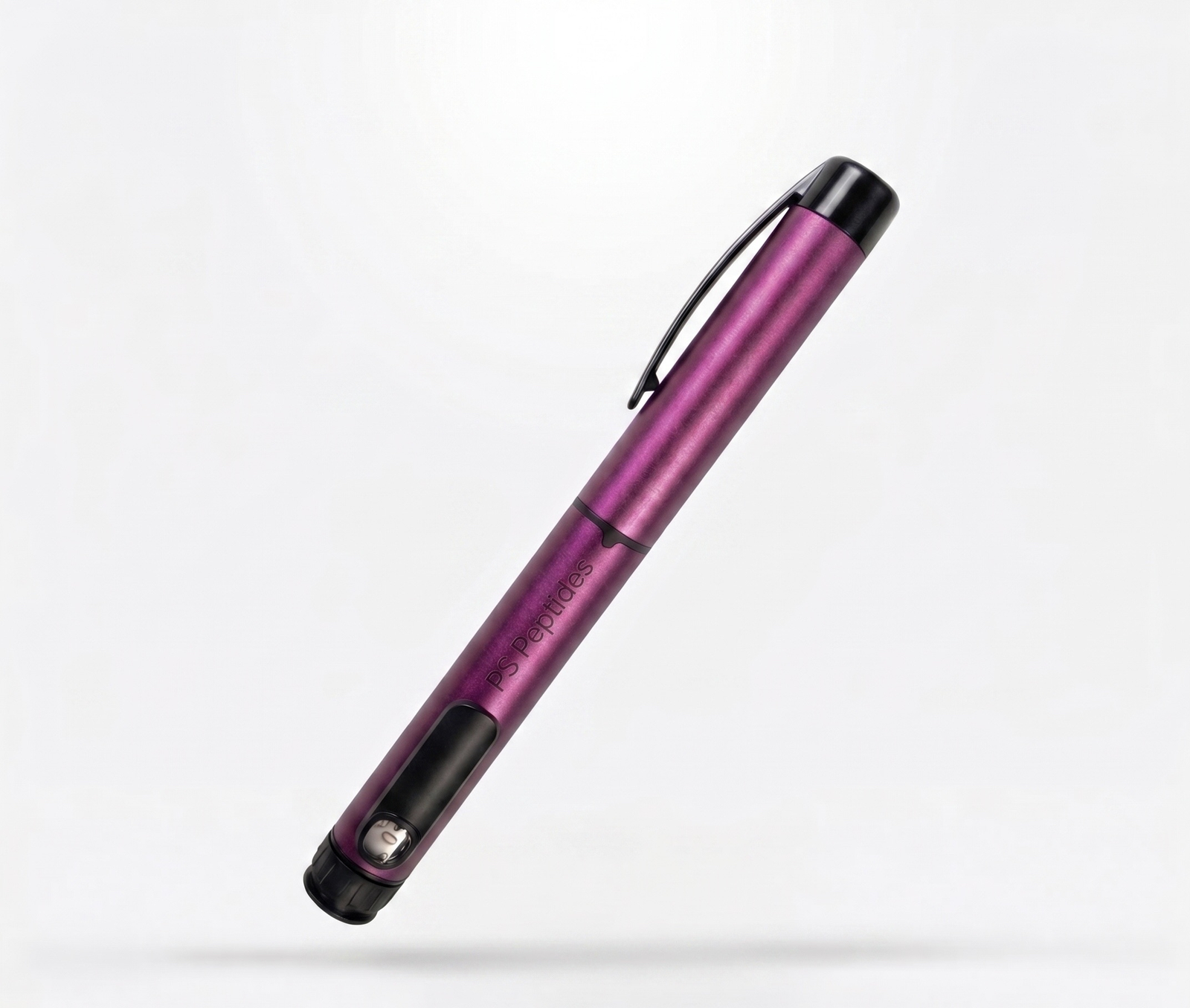
The PSPen™ is a reusable, click-dose peptide injection pen that standardizes the handling and administration of reconstituted research peptides. Unlike standard insulin syringes that require manual volume measurement, this peptide injection pen delivers calibrated, repeatable doses through a mechanical click mechanism — reducing preparation time and human error. It is compatible with standard pen needle attachments and is ideal for research teams using GLP-1 peptides, growth hormone secretagogues, cosmetic peptides, and a broad range of other research compounds. Learn more about peptide handling in our complete peptide reconstitution guide and our overview of subcutaneous vs. intramuscular peptide injection.
Why Use a Peptide Injection Pen for Research?
Researchers who administer peptides frequently — whether daily, twice-daily, or on structured cycling protocols — benefit significantly from switching to a dedicated peptide injection pen over individual syringes. The primary advantage is dose consistency. Every click of the PSPen™ delivers a precise, repeatable volume, which is critical for maintaining uniformity across experimental groups and eliminating operator-dependent measurement variability.
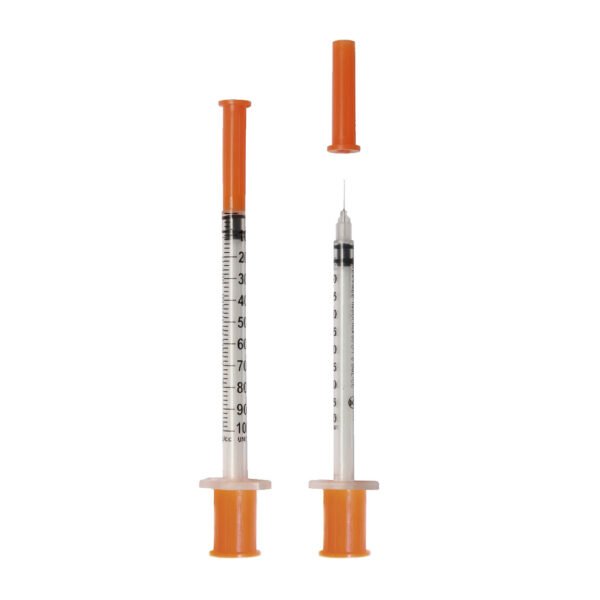
Traditional syringes require the researcher to manually draw, measure, and confirm the volume with each preparation. In research contexts involving multiple subjects or extended timelines, this introduces compounding error risk. The PSPen™ click-dose mechanism eliminates that step. Once the cartridge is loaded and primed, the researcher simply dials in the desired dose and delivers it consistently — every time.
This matters most in long-duration studies. If you are researching GLP-1 peptides such as retatrutide or tirzepatide, or examining growth hormone secretagogues over a 90-day period, the compounding impact of inconsistent dosing across dozens of administrations can meaningfully affect data integrity. A purpose-built peptide injection pen protects research quality at scale.
See our peptide dosage calculator guide for precision concentration planning before loading your PSPen™, and review our peptide storage best practices to ensure your reconstituted compounds remain potent throughout your study.
Detailed Mechanism: How the PSPen™ Works
The PSPen™ operates on a spring-loaded click-dial mechanism adapted from pharmaceutical insulin pen technology. Each click corresponds to a fixed increment of volume from the loaded cartridge. Researchers set the number of clicks to dial in the desired dose, attach a sterile pen needle, and press the plunger to deliver the subcutaneous injection.
This design differs fundamentally from luer-lock syringes in three ways. First, it eliminates the need to manually draw liquid from a vial using negative plunger pressure — which can introduce bubbles and inconsistencies, particularly with viscous reconstituted peptide solutions. Second, it enables single-handed operation, improving sterility by keeping one hand free to manage injection site prep. Third, the click mechanism provides tactile feedback, confirming that the full dialed dose was delivered — something that visual syringe markings cannot guarantee under low-light or high-pressure lab conditions.
For researchers exploring peptide research methodologies across multiple compound classes, the PSPen™ offers a single reusable delivery platform compatible with any peptide that can be reconstituted and loaded into a standard cartridge format. This versatility makes it particularly valuable for laboratories running simultaneous protocols involving different research peptides.

Peptide Injection Pen vs. Standard Syringes
| Feature | PSPen™ Peptide Injection Pen | Standard Insulin Syringe | Standard Luer-Lock Syringe |
|---|
| Dose Consistency | Click-dial precision every time | Manual draw — variable | Manual draw — variable |
| Preparation Time | Fast — dial and inject | Moderate — draw and confirm | Moderate to slow |
| Reusability | Fully reusable pen body | Single-use only | Single-use only |
| Operator Skill Required | Minimal | Moderate | Moderate to high |
| Bubble Risk | Low — positive displacement | Moderate | Moderate to high |
| Best For | High-frequency protocols, multi-subject studies | Low-frequency, simple protocols | Low-frequency protocols |
| Cost Over Time | Low (reusable body) | Higher (single-use) | Higher (single-use) |
How to Use the PSPen™ Peptide Injection Pen
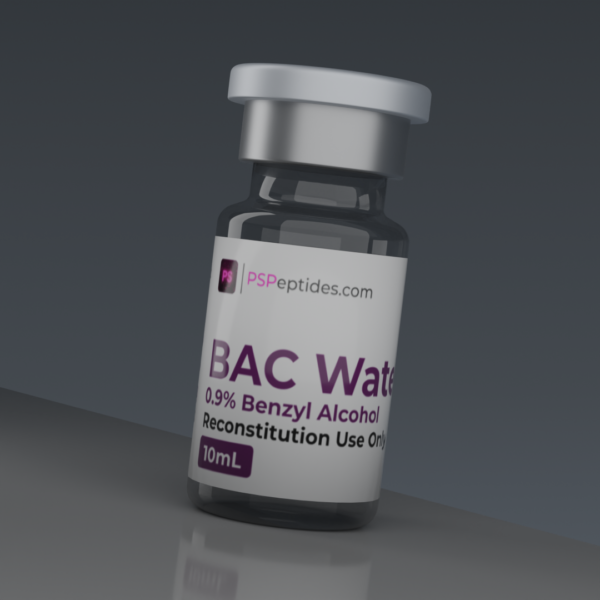
Before loading the PSPen™, reconstitute your research peptide using bacteriostatic water (bac water). Use our free peptide reconstitution calculator to determine the exact volume of bac water needed to achieve your target concentration. Standard concentrations depend on the peptide’s mg dose, the desired mcg-per-unit delivery, and the cartridge volume of the pen.
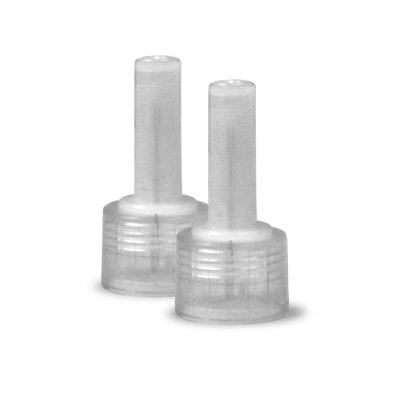
Once reconstituted, load the peptide solution into the cartridge according to the instructions included in the PSPen™ starter kit. Attach a new sterile pen needle (included in the PSPen™ starter kit — 50 pen tips are provided). Prime the pen by dialing one or two units and pressing to expel any air at the needle tip. Dial your desired dose, pinch the injection site, and press the plunger smoothly until the dose is fully delivered. Always rotate injection sites per your lab protocol to avoid tissue buildup.
For a comprehensive overview of subcutaneous peptide administration technique and sterile handling procedures, see our subcutaneous injection guide. Researchers new to peptide handling should also review our peptide reconstitution guide before beginning any protocol.
Peptide Types Compatible with the PSPen™
The PSPen™ the pen is compatible with all subcutaneously administered research peptides that can be reconstituted and loaded into a standard cartridge format. This includes, but is not limited to:
- GLP-1 / Metabolic Peptides: Retatrutide, tirzepatide, semaglutide analogues, and other GLP receptor agonists used in metabolic research. See our retatrutide research guide for dosing context.
- Growth Hormone Secretagogues: CJC-1295, ipamorelin, GHRP-2, GHRP-6, and MK-677 (taken orally, but included as commonly co-administered). The PSPen™ is particularly suited for twice-daily GH peptide injection protocols.
- Tissue Repair Peptides: BPC-157 and TB-500 are commonly researched in tissue regeneration contexts. Learn more in our BPC-157 research guide and TB-500 guide.
- Cosmetic & Skin Research Peptides: GHK-Cu, Matrixyl, and other cosmetic peptides used in skin, hair, and collagen research protocols.
- Neurological & Nootropic Peptides: Semax, Selank, and other cognitive enhancement peptides researched for neurological applications.
- Immune Support Peptides: Thymosin Alpha-1, KPV, and other immune-modulating compounds administered via subcutaneous peptide injection.
Research Context: Precision Delivery in Peptide Studies
Peer-reviewed research consistently demonstrates that dose consistency is a critical variable in peptide pharmacokinetic studies. A study published in the Journal of Pharmaceutical Sciences found that subcutaneous delivery volume variability of as little as 10% can produce statistically significant differences in peptide bioavailability outcomes across animal model studies. For researchers relying on reproducible pharmacokinetic curves, a it with mechanical dosing is not a convenience upgrade — it is a methodological requirement. See relevant PubMed research on peptide delivery methods.
Additionally, research into subcutaneous injection site rotation and injection technique has shown that human error in manual syringe dosing contributes to variable tissue absorption rates. Standardized delivery devices such as the PSPen™ address this by eliminating the draw-and-measure step entirely. The click-dial mechanism provides consistent positive displacement volume, independent of operator experience level. See related subcutaneous peptide administration research on PubMed for further context on injection technique and bioavailability.
Storage & Handling of the PSPen™
Store the PSPen™ pen body at room temperature when not in use. Keep it clean and capped when not in operation. Attached pen needles should be removed after each use and disposed of per your lab’s sharps waste protocol. Do not share pen bodies or pen needles across subjects in any multi-subject research study.
Loaded cartridges containing reconstituted peptides should be stored according to the peptide manufacturer’s guidelines — typically at 2–8°C (refrigerated) for short-term storage, and at −20°C for long-term storage of unused reconstituted compounds. Refer to our complete peptide storage guide for temperature stability windows, freeze-thaw cycle guidance, and light sensitivity considerations specific to different peptide classes.
Never leave a reconstituted peptide at room temperature for extended periods. Most reconstituted research peptides remain stable at 2–8°C for 4–6 weeks when stored in bacteriostatic water. The PSPen™ is designed for active-use research protocols — not for archival storage of reconstituted compounds.
What’s Included with the PSPen™
Each PSPen™ order includes the following:
- 1x PSPen™ Peptide Injection Pen — the reusable pen body with click-dose dial mechanism
- Complete Starter Kit — includes 5 refill cartridges, 50 pen tips, and a custom case for the peptide pen
Pen needles, refill cartridges, and a case are included. We recommend using sterile, single-use pen needles of appropriate gauge for subcutaneous injection (typically 31–32 gauge, 4–5mm length for research use). PSPeptides offers a full range of COA-verified research peptides and reconstitution supplies including bacteriostatic water to complement your PSPen™ setup.
Why Researchers Choose PSPeptides for Their Peptide Injection Pen
- Purpose-Built for Peptide Research: The PSPen™ this device is sourced and quality-checked to meet the precision and sterility requirements of serious peptide research protocols
- Fast, Reliable Shipping: Free UPS 2nd Day Air on orders over $200, with same-day dispatch for orders placed before 2 PM EST
- Trusted Research Supplier: PSPeptides is recognized among the best peptide companies in 2026 for product quality, third-party testing, and researcher-focused service
- Complete Research Ecosystem: Order your peptide injection pen alongside bacteriostatic water, peptide vials, and other research supplies in a single order
- Flexible Payment Options: Credit cards, Afterpay, Klarna, Apple Pay, and Google Pay accepted
- 7-Day Responsive Support: Our research support team is available via email seven days a week
Frequently Asked Questions About the PSPen™ Peptide Injection Pen
What peptides can I use with the PSPen™ peptide injection pen?
The PSPen™ is compatible with any subcutaneously administered research peptide that can be reconstituted and loaded into a standard cartridge. This includes GLP-1 peptides, growth hormone secretagogues, BPC-157, TB-500, GHK-Cu, cosmetic peptides, immune peptides, and neurological research peptides. It is not appropriate for intramuscular or intravenous research administration.
Do I need to buy pen needles separately for this peptide injection pen?
No. Standard pen needles are included in the PSPen™ starter kit. Or can be purchased in the peptide pen and supplies tab. We recommend you use sterile, single-use pen needles of appropriate gauge (typically 31–32 gauge, 4–5mm) compatible with standard cartridge-style injection pens. Always use a new sterile needle for each administration and dispose of used needles in an approved sharps container. The pen refill cartridges listed on our website are compatible with our pen
How does the PSPen™ compare to using insulin syringes for peptide injection?
The PSPen™ offers superior dose consistency through its mechanical click-dose mechanism, eliminating the manual draw-and-measure process required with insulin syringes. For researchers conducting high-frequency peptide injection protocols or multi-subject studies, this translates to meaningfully more reproducible data. The reusable pen body also reduces per-administration cost compared to single-use syringes over extended study timelines.
How do I calculate the right dose setting on the PSPen™?
Use our free peptide reconstitution calculator to determine the concentration of your reconstituted peptide per unit of the pen. Once you know the mcg-per-unit value, you can dial in the correct number of clicks to match your research protocol’s target dose. Our peptide dosage calculator guide walks through the process step by step.
Is the PSPen™ reusable between different research peptides?
Yes, the PSPen™ pen body is fully reusable. To switch between different peptide compounds, empty and clean the cartridge thoroughly, load the new reconstituted peptide, and attach a fresh sterile pen needle before the first use. We recommend dedicating one pen body to each active compound in multi-peptide research protocols to minimize cross-contamination risk.
Best Practices for Using a Peptide Injection Pen in Research Protocols
Getting the most out of a peptide injection pen requires more than simply loading a cartridge and dialing a dose. Researchers who follow established best practices consistently achieve better reproducibility, lower waste rates, and more reliable data across extended study timelines. Below are key recommendations for incorporating the PSPen™ into a structured laboratory protocol.
First, always prime the peptide injection pen before each new cartridge to eliminate dead volume and air bubbles at the needle tip. Priming involves dialing two units and pressing the plunger with the needle pointing upward until a small bead of liquid appears at the tip. This step ensures the first measured dose delivered is accurate and not partially air. Failure to prime is one of the most common sources of under-dosing in injection pen protocols.
Second, maintain a consistent injection angle. Most subcutaneous peptide injection protocols use a 45–90 degree angle depending on the subject’s tissue depth. Standardizing the angle across all administrations reduces variability in absorption depth, which directly influences peptide uptake rate and plasma concentration curves. Document the angle in your lab protocol before beginning any multi-week study.
Third, rotate injection sites systematically. The PSPen™ is designed for repeated use, and repeated injections at the same site can cause subcutaneous tissue changes that affect absorption. Use a rotation chart covering at least four distinct injection zones, rotating on a regular schedule throughout the study. This practice mirrors pharmaceutical industry standards for long-duration peptide delivery and helps maintain consistent bioavailability measurements across your data set.
Fourth, ensure your reconstituted peptide is fully at room temperature before loading and injecting. Cold peptide solutions are more viscous and may not flow smoothly through the click mechanism, potentially resulting in incomplete dose delivery. Remove the vial from refrigeration 10–15 minutes before use. Do not warm the peptide above room temperature or use hot water — this can degrade the compound.
Finally, document each use of the the pen in your lab notebook, including the date, dose dialed, batch number of the peptide, and injection site. Comprehensive documentation is essential for data reproducibility and supports any peer review or regulatory submission associated with your research findings. Review our full peptide reconstitution and handling guide for a complete pre-injection checklist.
Peptide Injection Pen Use Across Research Compound Classes
One of the greatest strengths of the PSPen™ it is its compound versatility. Because it accepts any reconstituted peptide loaded into a standard cartridge, a single pen body can serve multiple research projects without cross-contamination if properly cleaned between uses. This makes it especially economical for research teams running parallel studies on different compound classes simultaneously.
For GLP-1 and metabolic peptide research — including studies on compounds like retatrutide, tirzepatide, or semaglutide analogues — the PSPen™ enables the precise daily dosing windows required by metabolic pharmacokinetic protocols. These studies often require tight control of dose timing and volume, making a click-dose peptide injection pen a methodological asset rather than a mere convenience. Learn more about these compound classes in our retatrutide research guide and tirzepatide research guide.
For tissue repair and regeneration research using BPC-157 or TB-500, the PSPen™ supports the twice-daily subcutaneous protocols commonly referenced in preclinical literature. These peptides benefit from consistent volume delivery to maintain stable plasma concentrations between doses, which the PSPen™ click mechanism provides reliably. See our BPC-157 vs TB-500 comparison for protocol context on each compound.
For cosmetic and skin research peptides such as GHK-Cu, the PSPen™ is used in studies examining systemic delivery of collagen-stimulating compounds. While topical application is also studied for GHK-Cu, subcutaneous delivery via a peptide injection pen allows researchers to examine systemic absorption profiles that topical routes cannot replicate. Our GHK-Cu research guide covers both delivery routes in detail.
Related Research Resources
All PSPeptides products are sold exclusively for laboratory and research use. Not intended for human consumption.





 Made & Shipped