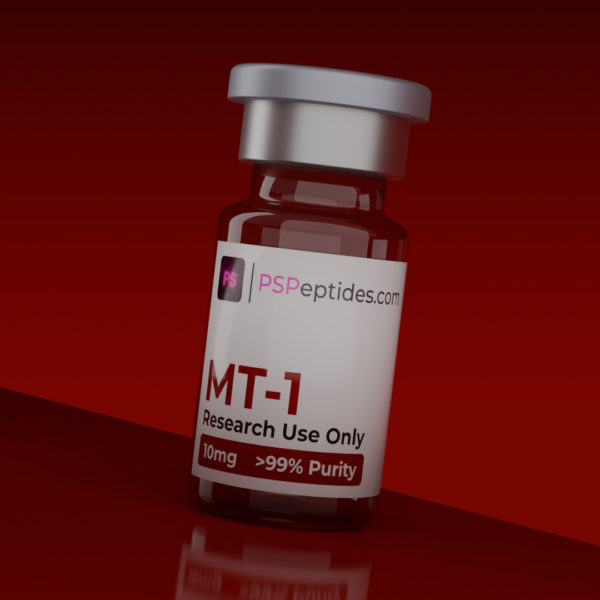
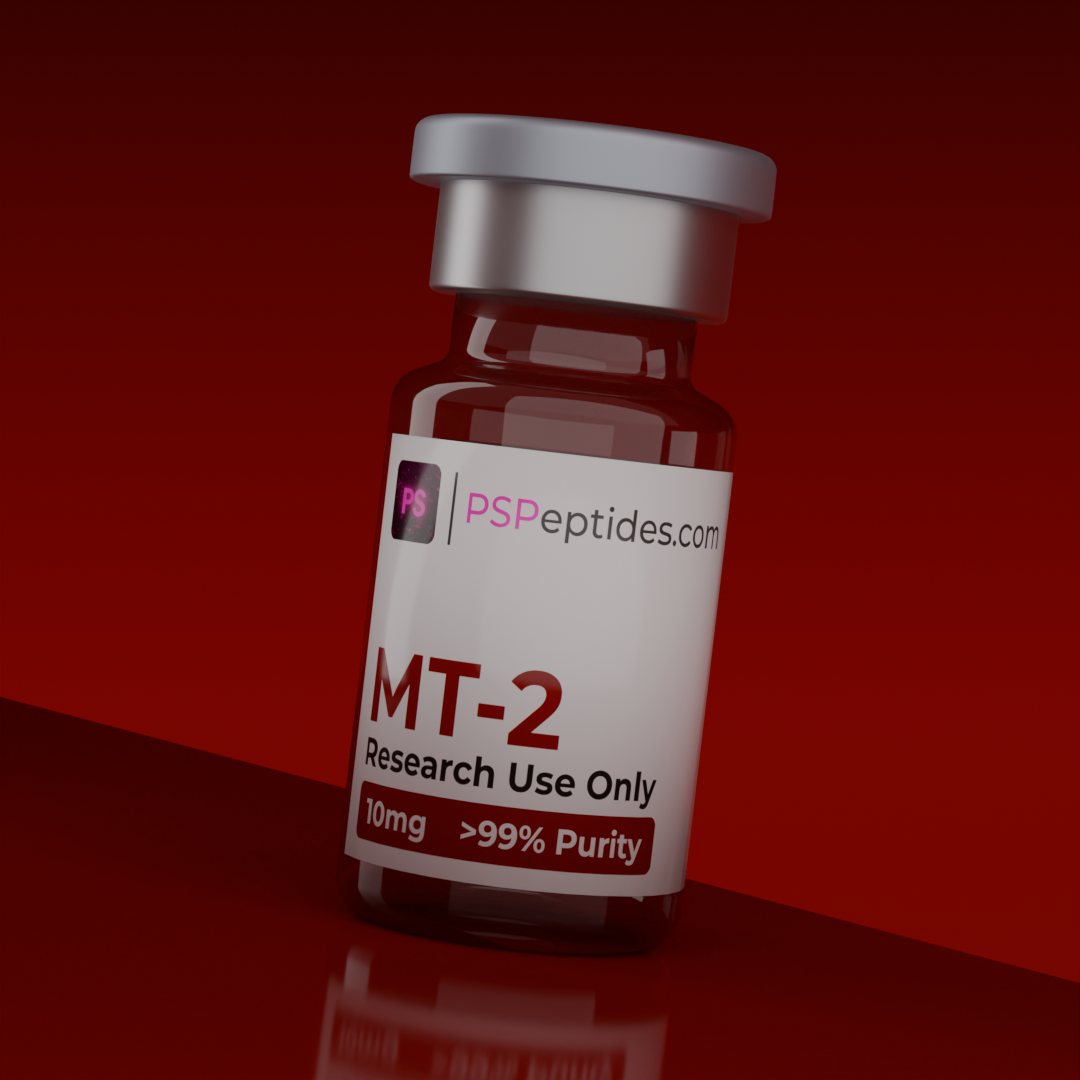
Melanotan II (1 Vial)
$39.99
Buy Melanotan II (1 Vial) — research-grade melanocortin agonist peptide. 99%+ purity, US manufactured, batch-specific COA included.
View older reports




 Made & Shipped
For laboratory and research use only. This product is not a drug, food, or cosmetic and is not for human or animal consumption. It is not intended to diagnose, treat, cure, or prevent any disease. These statements have not been evaluated by the FDA. Sold solely to qualified researchers and licensed laboratories. Certificate of Analysis available on request.
Description
Buy Melanotan II research-grade peptide from PSPeptides for laboratory studies investigating melanocortin receptor pharmacology, MC1R/MC3R/MC4R/MC5R signaling, and pan-melanocortin analog effects. Melanotan II is a synthetic cyclic lactam analog of alpha-melanocyte-stimulating hormone (α-MSH), engineered for enhanced receptor engagement across the full melanocortin receptor family. Every vial is US-manufactured, third-party HPLC tested at 99%+ purity, and shipped with a batch-specific certificate of analysis.
Melanotan II is distinguished from the more selective melanocortin analogs by its broad receptor engagement profile. Where Melanotan I (Afamelanotide) exhibits pronounced MC1R selectivity and PT-141 (Bremelanotide) is engineered for MC4R selectivity, Melanotan II serves as a pan-melanocortin research tool engaging MC1R, MC3R, MC4R, and MC5R with meaningful activity at each. This makes it a distinct research compound for investigations requiring simultaneous engagement of multiple melanocortin pathways.
Buy Melanotan II: Detailed Mechanism of Action
Melanotan II binds the melanocortin receptor family — a set of five G-protein-coupled receptors (MC1R through MC5R) with distinct tissue distributions and physiological roles. MC1R is expressed primarily on melanocytes and mediates melanogenesis research endpoints. MC3R is expressed in hypothalamic and limbic regions and modulates energy homeostasis and inflammation research markers. MC4R is expressed centrally and mediates appetite regulation and sexual function research endpoints. MC5R is expressed in exocrine glands and skeletal muscle with less-characterized functional roles.
Receptor binding activates the Gs-coupled adenylyl cyclase pathway, elevating intracellular cAMP and triggering downstream signaling cascades appropriate to each receptor’s tissue context. In melanocyte research contexts, MC1R activation triggers tyrosinase transcription and increased eumelanin synthesis — the primary mechanism underlying melanogenesis research applications. In central nervous system research contexts, MC4R activation modulates satiety signaling in hypothalamic paraventricular nucleus circuits.

The defining structural feature of Melanotan II is its cyclic lactam bridge — a chemical modification that constrains the peptide into a specific three-dimensional conformation matching the active binding pose at melanocortin receptors. This cyclization provides two research-relevant benefits: substantially enhanced potency compared to linear α-MSH (typically 100-1000× depending on the specific receptor and assay) and dramatically improved resistance to proteolytic degradation. Where endogenous α-MSH has a plasma half-life measured in minutes, Melanotan II maintains bioactive plasma levels for extended periods, enabling research protocols with practical dosing schedules.
Beyond receptor binding, downstream Melanotan II activity engages multiple secondary pathways depending on the tissue context. In melanocyte research, MC1R activation upregulates MITF (microphthalmia-associated transcription factor), the master regulator of melanocyte biology and melanogenic enzyme expression. In central nervous system contexts, MC4R activation modulates BDNF expression and neurotransmitter release in specific circuits. This multi-pathway engagement is what makes Melanotan II useful as a pan-melanocortin research tool rather than a selective probe.
Compound Details and Structural Chemistry
Melanotan II is supplied as a lyophilized powder in single research vials, US-manufactured, third-party tested, and shipped with batch-specific certificate of analysis documentation. Purity certifications document 99%+ HPLC purity with retention time verification against reference standards. Molecular weight is confirmed by mass spectrometry, and endotoxin testing appropriate for research applications is documented on the same certificate.
Structural features include: D-amino acid substitutions that block proteolytic cleavage at specific positions, a cyclic lactam bridge between residues 5 and 10 that constrains conformation, and N-terminal acetylation for further stability enhancement. The final compound is a heptapeptide analog with molecular weight approximately 1024 Da. Storage form is lyophilized powder for shelf stability, with recommended cold chain preservation from synthesis through research use.
For researchers evaluating quality documentation, our guide to reading a peptide certificate of analysis covers how to interpret HPLC purity measurements, retention time verification (essential for confirming the cyclic modification is intact), mass spectrometry molecular weight confirmation, and endotoxin testing results — all documented on the batch-specific COA that ships with each vial.
Published Research Base for Melanocortin Analogs
Melanotan II has a substantial published research literature spanning multiple application areas. Published research is available through the Melanotan II PubMed database, with mechanistic studies covering receptor binding kinetics, downstream signaling characterization, and comparative pharmacology against endogenous α-MSH and other melanocortin analogs.
Melanogenesis research represents the largest published research area for Melanotan II. Studies have documented dose-dependent increases in melanin synthesis in cultured melanocyte systems, quantified via HPLC melanin measurement and enzymatic tyrosinase activity assays. Comparative studies against Melanotan I document Melanotan II’s broader receptor engagement — where Melanotan I selectively engages MC1R, Melanotan II’s pan-melanocortin profile produces additional MC3R/MC4R-mediated effects that must be controlled for in melanogenesis-specific research protocols.
Central nervous system research has documented MC4R-mediated effects on appetite regulation, food intake in animal models, and body composition endpoints. Sexual function research overlaps mechanistically with the research base for PT-141 (Bremelanotide) — the MC4R-selective analog specifically developed from the Melanotan II research lineage. Melanotan II served as the pharmacological precursor for identifying MC4R as a viable target for sexual function research, before selective MC4R agonists like PT-141 were developed.
For broader research context on melanocortin biology and skin biology, the NIH National Institute of Arthritis and Musculoskeletal and Skin Diseases provides authoritative resources on melanocyte biology, melanogenesis mechanisms, and the broader skin biology research landscape that melanocortin peptide research intersects.
Researchers should note that Melanotan II remains investigational in Western regulatory frameworks. Published research has been conducted primarily in academic and research institutional contexts. Melanotan II is offered for laboratory research use only.
Research Applications
Primary research applications for Melanotan II center on its pan-melanocortin receptor engagement, which distinguishes it from more selective analogs like Melanotan I (MC1R-preferential) and PT-141 (MC4R-selective). This broader receptor profile makes Melanotan II particularly useful for research protocols investigating multi-pathway melanocortin biology or comparing selective vs. non-selective receptor engagement effects.
Melanogenesis research applications include studies examining: MC1R-mediated tyrosinase upregulation kinetics, comparative melanin synthesis rates against selective MC1R agonists, eumelanin vs. pheomelanin ratio effects in cultured melanocyte systems, and dose-response relationships in melanocortin signaling. Research protocols investigating melanocortin pathway biology as a whole benefit from Melanotan II’s engagement of both MC1R (direct melanogenesis) and the downstream MC3R/MC5R receptors that modulate broader skin biology parameters.
Central nervous system research applications include appetite regulation studies (MC4R-mediated satiety signaling), body composition research examining adipose tissue effects, and comparative studies against selective MC4R agonists. Our peptides for weight loss research guide covers the broader landscape of research peptides investigating body composition endpoints, including compounds with fundamentally different mechanisms than the melanocortin family.
Sexual function research represents an important application area where Melanotan II served historically as the pharmacological precursor for identifying MC4R as a viable research target. Modern research protocols investigating this endpoint typically use the MC4R-selective PT-141, but Melanotan II retains research relevance for pan-melanocortin comparison studies. Our PT-141 research guide covers the selective MC4R agonist that emerged from the Melanotan II research lineage.
Melanotan II vs. Alternatives
Understanding where Melanotan II fits in the melanocortin analog research landscape helps researchers select appropriate compounds for specific investigation objectives. The three primary comparisons are Melanotan I (Afamelanotide), PT-141 (Bremelanotide), and endogenous α-MSH as a reference point.

Melanotan II vs. Melanotan I (Afamelanotide): Both compounds engage melanocortin receptors, but with substantially different selectivity profiles. Melanotan I exhibits pronounced MC1R selectivity, making it the preferred research tool for isolating MC1R-mediated melanogenesis effects. Melanotan II engages MC1R, MC3R, MC4R, and MC5R with meaningful activity at each, making it useful for pan-melanocortin research but complicating experimental designs that require MC1R-specific isolation. Melanotan I also has a longer plasma half-life due to its more extensive amino acid modifications; Melanotan II’s cyclic modification provides substantial half-life extension but less than Melanotan I’s linear extended analog structure. Research choice: Melanotan I for MC1R-selective work; Melanotan II for pan-melanocortin research protocols.
Melanotan II vs. PT-141 (Bremelanotide): This comparison bridges pharmacological history — PT-141 was specifically developed from the Melanotan II research lineage as a MC4R-selective analog to isolate sexual function research applications from the broader melanocortin engagement. PT-141 exhibits substantially higher MC4R selectivity than Melanotan II, making it the preferred research tool for MC4R-specific sexual function studies. Melanotan II retains research relevance for comparative studies examining the difference between pan-melanocortin engagement and MC4R-selective effects. Research choice: PT-141 for MC4R-selective sexual function research; Melanotan II for pan-melanocortin comparison studies.
Melanotan II vs. endogenous α-MSH: This comparison anchors the pharmacological reference. Endogenous α-MSH has a plasma half-life measured in minutes and dose-dependent effects that are difficult to sustain in research protocols due to rapid clearance. Melanotan II’s cyclic lactam modification provides substantially enhanced potency (approximately 100-1000× depending on receptor and assay) and extended half-life, enabling practical research dosing schedules. Melanotan II is not a physiological mimic of α-MSH — it is a research tool engineered for stability and potency at the receptor family α-MSH targets.
For researchers investigating peptides across multiple mechanistic categories, our best peptides for skin research guide contextualizes Melanotan II within the broader landscape of research peptides targeting skin biology endpoints, including compounds with fundamentally different mechanisms like GHK-Cu (copper peptide, tissue repair research).
Buy Melanotan II: Vial Format and Pricing
PSPeptides offers Melanotan II in a single vial format optimized for research protocol scales:
- Melanotan II — $39.99, single research vial containing lyophilized Melanotan II peptide. Suitable for standard research protocols investigating melanocortin receptor pharmacology across the pan-melanocortin family.
The vial is US-manufactured, tested to 99%+ HPLC purity, and shipped with a batch-specific certificate of analysis. Reconstitution requires bacteriostatic water, available separately as research-grade bacteriostatic water in 30mL vials. Researchers who want to buy Melanotan II for laboratory research should also consider whether their specific research question requires the pan-melanocortin engagement Melanotan II provides, or whether a selective analog (Melanotan I for MC1R work, PT-141 for MC4R sexual function work) would better isolate the endpoint of interest.
Reconstitution and Storage
Melanotan II is supplied as a lyophilized powder requiring reconstitution before use in research protocols. Standard reconstitution uses 1-2mL of bacteriostatic water per vial, gently swirled (never shaken) until the powder is fully dissolved. Bacteriostatic water is preferred over sterile water for multi-dose research vials because the 0.9% benzyl alcohol content provides bacteriostatic activity across the typical use window.
Lyophilized Melanotan II should be stored at 2-8°C for short-term stability or -20°C for extended storage. The cyclic lactam modification confers good thermodynamic stability in lyophilized form, with typical shelf life of 12-24 months when stored appropriately in unopened vials. Once reconstituted, Melanotan II solutions should be stored at 2-8°C and used within 14 days for optimal peptide integrity. Reconstituted peptide should never be frozen, as freeze-thaw cycles can produce aggregation and reduce bioactivity.
Signs of Melanotan II degradation include visible cloudiness in reconstituted solution, particulate matter, unusual color changes, or precipitation. Any of these observations indicate the batch should be discarded rather than used in research protocols. Our peptide degradation identification guide provides visual and analytical references for detecting compromised research materials, and our peptide reconstitution guide covers detailed handling protocols across all peptide categories.
Why Researchers Choose PSPeptides for Melanotan II

Batch-Verified Purity
Every Melanotan II vial ships with batch-specific HPLC purity documentation confirming 99%+ purity. Retention time verification against reference standards confirms compound identity — critical for cyclic peptides like Melanotan II where structural integrity of the lactam bridge determines pharmacological activity. Mass spectrometry molecular weight verification confirms the modified heptapeptide structure with correct molecular weight of approximately 1024 Da. Endotoxin testing appropriate for research applications is documented on the same certificate.
Cold Chain Handling
All PSPeptides research peptides ship with insulated packaging and gel packs regardless of destination climate. Cold chain preservation is maintained through transit to preserve peptide stability. Cyclic peptides like Melanotan II are less sensitive to temperature excursions than some linear peptides but benefit substantially from proper cold chain handling for extended research use.
Verifiable Company Records
PSPeptides operates as a documented US business with transparent company information, US-based operations, and payment method acceptance requiring legitimate business documentation. Vendors that operate exclusively on cryptocurrency or peer-to-peer payment services often signal challenges with payment processor compliance verification. Our supplier selection guide covers the specific criteria researchers should evaluate when comparing vendors — many of the criteria we recommend are ones PSPeptides has structured operations around.
Sourcing Considerations for Melanocortin Peptide Research
Cyclic peptides like Melanotan II present specific sourcing considerations. The lactam bridge that defines Melanotan II’s structure requires specialized synthesis techniques, and improperly synthesized batches may contain linear (non-cyclic) contamination that behaves pharmacologically differently. Researchers should evaluate: batch-specific COA documentation confirming the cyclic structure via HPLC retention time (cyclic peptides show characteristic retention time signatures different from linear analogs), mass spectrometry molecular weight verification (cyclization causes a specific mass loss compared to linear parent structure), and 99%+ purity threshold appropriate for research applications.
Melanotan II’s molecular weight is approximately 1024 Da for the cyclic form. Batches showing molecular weight signatures matching linear precursor structures rather than the cyclic form indicate incomplete cyclization and should not be relied upon for research reproducibility. This structural verification is essential for cyclic peptide research because the cyclic conformation is what confers the enhanced potency profile at melanocortin receptors.
US-based synthesis and manufacturing provides additional sourcing benefits: shorter cold chain transit times, more consistent regulatory framework for facility standards, and easier verification of company records. Our US-made research peptides guide covers the specific advantages of domestic peptide manufacturing for research reproducibility.
Common Questions About Melanotan II
What is Melanotan II?
Melanotan II is a synthetic cyclic lactam analog of alpha-melanocyte-stimulating hormone (α-MSH), engineered for enhanced receptor engagement across the full melanocortin receptor family (MC1R, MC3R, MC4R, MC5R). The cyclic lactam bridge provides substantially enhanced potency (approximately 100-1000× compared to α-MSH depending on receptor and assay) and improved resistance to proteolytic degradation, enabling practical research dosing schedules.
How does Melanotan II differ from Melanotan I?
Both compounds engage melanocortin receptors, but with different selectivity profiles. Melanotan I (Afamelanotide) exhibits pronounced MC1R selectivity — the preferred research tool for isolating MC1R-mediated melanogenesis effects. Melanotan II engages MC1R, MC3R, MC4R, and MC5R with meaningful activity at each, making it a pan-melanocortin research tool useful for multi-pathway investigations. Melanotan I also has longer plasma half-life due to different structural modifications.
How does Melanotan II differ from PT-141?
PT-141 (Bremelanotide) was specifically developed from the Melanotan II research lineage as a MC4R-selective analog to isolate sexual function research applications. PT-141 exhibits substantially higher MC4R selectivity than Melanotan II. Melanotan II served as the pharmacological precursor for identifying MC4R as a viable research target, and retains research relevance for pan-melanocortin comparison studies. Research choice: PT-141 for MC4R-selective sexual function work; Melanotan II for pan-melanocortin research.
How is Melanotan II reconstituted for research use?
Melanotan II is reconstituted using bacteriostatic water — typically 1-2mL per vial depending on desired concentration for the research protocol. The vial should be gently swirled until the lyophilized powder is fully dissolved; never shaken vigorously, as this can produce peptide aggregation. Reconstituted Melanotan II should be stored at 2-8°C and used within 14 days. The cyclic structure confers good stability in reconstituted form when handled appropriately.
What documentation ships with PSPeptides Melanotan II?
Every Melanotan II vial ships with a batch-specific certificate of analysis (COA) documenting HPLC purity, retention time verification confirming cyclic structure identity, mass spectrometry molecular weight confirmation (approximately 1024 Da for the cyclic form), and endotoxin testing results specific to the batch being shipped. This batch-level documentation is essential for cyclic peptide research where structural verification affects reproducibility.
All PSPeptides products are sold exclusively for research and laboratory use.
Additional information
| Weight | 0.03 lbs |
|---|---|
| Dimensions | 2 × 2 × 2 in |
| MG | 10MG |
Related products
-
Back in Stock soon
 Cosmetic Research Peptides
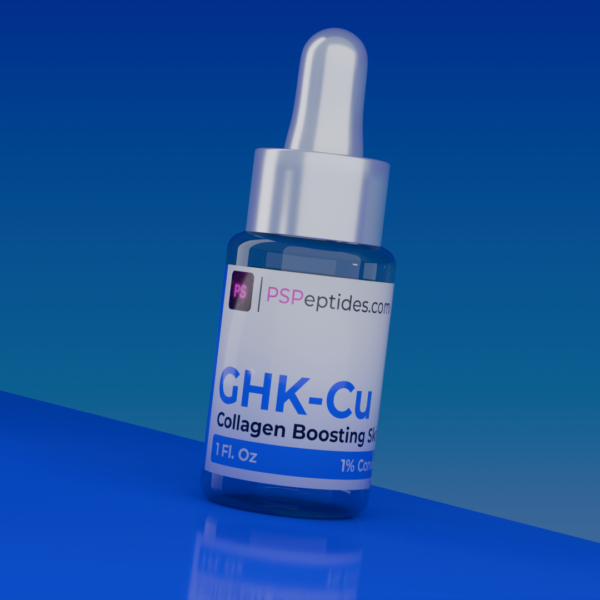
GHK-Cu Skin Serum
$29.99 Select options This product has multiple variants. The options may be chosen on the product page -
Cosmetic Research Peptides
Melanotan I (1 Vial)
$39.99 Select options This product has multiple variants. The options may be chosen on the product page -
Cosmetic Research Peptides
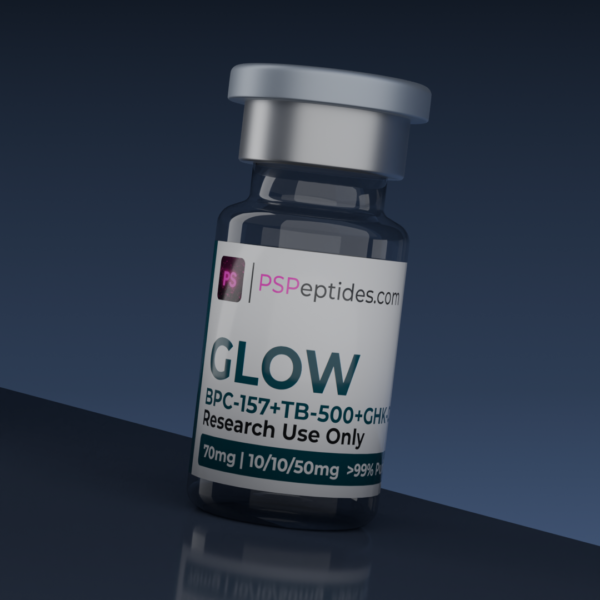
GLOW (1 Vial)
$94.99 Select options This product has multiple variants. The options may be chosen on the product page -
Cosmetic Research Peptides
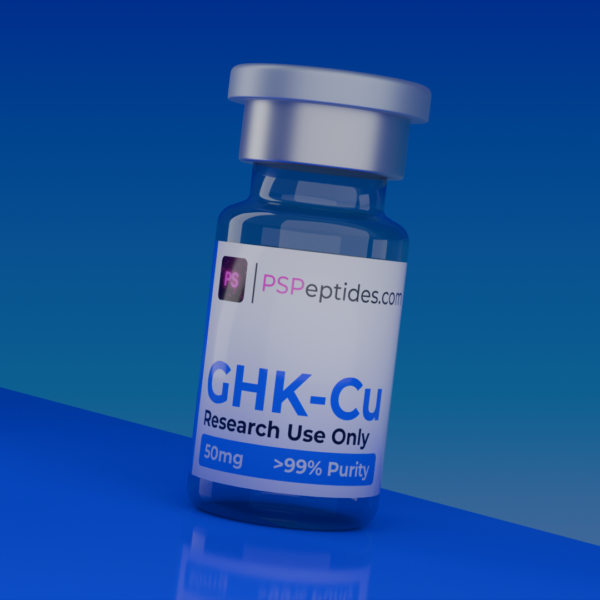
GHK-CU (1 Vial)
Price range: $34.99 through $39.99 Select options This product has multiple variants. The options may be chosen on the product page