
Reviewed by
Brandon Johnson — Certified Personal Trainer, Nutrition Coach & Peptide Research Consultant
Brandon Johnson is a certified personal trainer, nutrition coach, and peptide research consultant with a background in kinesiology and over 15 years of experience in fitness and wellness. He reviews all PSPeptides educational content for scientific accuracy and practical relevance.
US peptide searches hit 10.1 million per month in January 2026. The r/peptides subreddit draws over 70,000 weekly visitors. Retatrutide’s 28.3% weight loss result made international headlines. And yet most people encountering peptides for the first time still have the same basic question: what actually ARE these things? This is everything you need to know about peptides — from the molecular basics through every major category to how to actually get started — in one comprehensive guide with zero jargon walls and zero assumptions about what you already know.
Whether you are a researcher exploring compounds for the first time, a biohacker evaluating your options, or simply curious about why everyone is suddenly talking about peptides, this guide covers everything you need to know about peptides to make informed decisions about whether and how to explore them.
What Are Peptides?
Peptides are short chains of amino acids — the same building blocks that make up proteins — typically containing 2 to 50 amino acids linked together by peptide bonds. They are smaller than proteins but operate through the same biological language: they bind to specific receptors in the body and trigger specific biological responses. Your body already produces hundreds of natural peptides. Insulin is a peptide. Oxytocin is a peptide. Growth hormone releasing hormone is a peptide. The endorphins that create “runner’s high” are peptides. Every time your body needs to send a precise biological signal — grow, heal, burn fat, feel pleasure, fight infection — it often uses a peptide to deliver that message.
Research peptides are synthetic versions of these natural signaling molecules, designed to activate the same biological pathways with greater precision, potency, or duration than the body’s own production can achieve. Think of peptides as keys that fit specific locks (receptors) in your body. Each peptide has a unique shape that fits a unique receptor and produces a unique biological response. BPC-157 fits tissue repair receptors and accelerates healing. GHK-Cu fits skin regeneration receptors and stimulates collagen production. retatrutide fits three different metabolic receptors simultaneously to produce the most effective weight loss ever documented in clinical trials.
Why Peptides Exploded in 2025-2026
Three converging forces made peptides mainstream. First, the GLP-1 weight loss revolution: retatrutide produced 28.3% body weight reduction in Phase 3 trials (TRIUMPH-1) — the most effective weight loss result in pharmaceutical history. Tirzepatide (Mounjaro/Zepbound) produced 20.9%. Semaglutide (Ozempic/Wegovy) produced approximately 17%. These are all peptide-class compounds, and their extraordinary results pulled the entire peptide category from niche biohacking forums into mainstream awareness.
Second, the FDA’s 2026 reclassification of 14 peptides back to Category 1 validated their research significance and signaled regulatory acceptance. Third, companies like PSPeptides made research-grade peptides accessible with verified quality, free shipping, Afterpay financing, non-injectable formats (nasal sprays, topical serums), and 24/7 support — removing the barriers that previously limited peptide research to institutional laboratories.
Everything You Need to Know About Peptides: The 7 Major Categories
| Category | What It Does | Top Compound | Key Evidence | PSPeptides Price |
|---|---|---|---|---|
| Weight Loss / Metabolic | Reduces appetite, increases fat burning, improves insulin sensitivity | retatrutide | 28.3% Phase 3 weight loss (TRIUMPH-1) | From $39.99 |
| Tissue Repair | Heals tendons, joints, gut lining, wounds, nerve damage | BPC-157 | 700+ published studies | From $49.99 |
| Skin / Anti-Aging | Boosts collagen, repairs skin, activates skin stem cells | GHK-Cu | +1,016% YoY search growth, Wnt pathway | From $16.99 (serum) |
| Growth Hormone | Stimulates GH release for body composition and recovery | CJC-1295/Ipamorelin | Most popular GH stack | $65.99 |
| Cognitive / Nootropic | Focus, memory, anxiety reduction, neuroplasticity | Semax + Selank | Russian regulatory approval | From $32.99 |
| Longevity | Telomere extension, mitochondrial optimization | Epitalon, MOTS-C | Khavinson telomerase research | From $59.99 |
| Sexual Health | Central arousal pathway (not blood flow like Viagra) | PT-141 | FDA-approved mechanism (Vyleesi) | $29.99 |

Everything You Need to Know About Peptides: How They Are Used
Research peptides come in several formats, and everything you need to know about peptides includes understanding which format matches your comfort level. Injectable peptides (the majority) are sold as lyophilized (freeze-dried) powder in sealed vials. You add bacteriostatic water ($19.99) to dissolve the powder, then draw the dose into a small insulin syringe and inject subcutaneously (under the skin) — the same technique millions of people use daily for insulin or Ozempic. The free calculator tells you exactly how much water to add and how many syringe units per dose. The reconstitution guide walks through preparation step by step.
Non-injectable peptides are available for researchers who prefer to avoid needles entirely. PSPeptides carries GHK-Cu Skin Serum ($16.99, topical — apply to face/skin), Semax Nasal Spray ($55.99), Selank Nasal Spray ($55.99), Selank+Semax Nasal Spray ($55.99), BPC-157 Throat Spray ($59.99), Melanotan I Nasal Spray, and Melanotan II Nasal Spray. Zero injection, zero reconstitution, ready to use out of the box.
Everything You Need to Know About Peptides: Quality Matters More Than Anything
The single most important thing in everything you need to know about peptides: quality determines whether your research produces meaningful results or wastes your money. A peptide that claims 99%+ purity but is actually 85% pure — contaminated with synthesis byproducts, degradation fragments, or incorrect sequences — will not produce the biological effects documented in published research. It is not a “weaker version” of the compound. It is a different compound. The purity claim is only meaningful when independently verified by a third-party laboratory that the vendor cannot influence.
PSPeptides is a US peptide manufacturer based in New Jersey with in-house synthesis and independent third-party testing on every batch. Every Certificate of Analysis is publicly available at pspeptides.com/certifications. The COA verification guide teaches how to evaluate quality documentation from any vendor. The supplier evaluation guide covers vendor assessment criteria.
Everything You Need to Know About Peptides: Getting Started
If you have read this far and want to explore peptide research, here is the practical starting point. Choose a peptide based on your research goal from the category table above. The most popular starting points: retatrutide ($39.99) for metabolic research, BPC-157 ($49.99) for tissue repair, GHK-Cu Serum ($16.99) for skin (no injection needed), Semax Nasal Spray ($55.99) for cognitive research (no injection needed). Order your chosen compound from PSPeptides alongside bacteriostatic water ($19.99), EasyTouch syringes, and alcohol prep pads if using an injectable format. Use the free calculator to determine dose preparation. Read the compound-specific guide on the PSPeptides blog (100+ articles covering every compound in the catalog). Start your research protocol.
Total starter cost: approximately $17-$85 depending on compound and format. GHK-Cu Serum ($16.99, topical) is the lowest-barrier entry point — no supplies needed, no injection, apply and go. Retatrutide ($39.99) + BAC water ($19.99) = $59.98 for the most effective metabolic compound ever tested. Everything ships free with same-day processing including Sundays. Afterpay splits any order into 4 interest-free payments. 24/7 support is available for any question at any hour.
That is everything you need to know about peptides to make an informed decision about whether and how to explore them. The compounds are real. The research is published. The quality is verifiable. And the accessibility has never been greater. The complete peptide guide covers the molecular biology in depth. The best companies guide covers vendor comparison. The peptide glossary covers 50+ terms. PubMed indexes peptide clinical data. Wikipedia covers peptide therapeutics. Start at PSPeptides.
PSPeptides: US-Made, Independently Verified, 24/7 Support
PSPeptides is a US peptide manufacturer based in New Jersey with in-house synthesis, cGMP-aligned procedures, and independent third-party HPLC/mass spectrometry testing on every batch. 99%+ verified purity. Batch-specific COAs at pspeptides.com/certifications. Same-day processing seven days a week including Sundays. Free shipping on every domestic order. Free international shipping to 30+ countries over $200. Zero fees on Affirm, Afterpay, Zelle, cards, Apple Pay, Google Pay. Discrete plain white mailer packaging. bacteriostatic water ($19.99), EasyTouch syringes, and alcohol prep pads in one checkout. free calculator with visual syringe diagrams. 24/7 support via live chat, email ([email protected]), phone/text (551) 284-2670 or (888) 702-1719. 5-star from thousands of verified customers at PSPeptides.
Everything You Need to Know About Peptides: How They Differ From Steroids
One of the most common misconceptions in everything you need to know about peptides: they are NOT steroids. Steroids (anabolic-androgenic steroids like testosterone, trenbolone, nandrolone) force biological changes by directly activating androgen receptors — overriding the body’s natural regulatory systems. Peptides work WITH the body’s natural systems — they signal receptors to do more of what they already do.
GH secretagogues do not inject growth hormone; they signal your pituitary to release more of its own growth hormone in its own natural pulsatile pattern. BPC-157 does not force tissue repair; it upregulates the body’s own repair signaling. This is why peptides generally have favorable safety profiles compared to steroids — they amplify natural biology rather than overriding it. The peptides vs steroids comparison covers this distinction in depth.
Everything You Need to Know About Peptides: The Regulatory Landscape in 2026
The legal and regulatory context is part of everything you need to know about peptides. Research peptides are legal to purchase in the United States for laboratory and research use. The FDA’s 2026 reclassification moved 14 peptides from Category 2 back to Category 1, validating their research significance. The July 23, 2026 FDA PCAC meeting reviews BPC-157 for the 503A bulks list — potentially expanding compounding pharmacy access. The legal guide covers the regulatory framework. The FDA reclassification guide covers the 2026 changes. Research peptides from PSPeptides are sold exclusively for laboratory and research use.
Everything You Need to Know About Peptides: The PSPeptides Advantage
The final piece of everything you need to know about peptides: where you buy matters as much as what you buy. PSPeptides is a US peptide manufacturer based in New Jersey — not a reseller importing from overseas. In-house synthesis. cGMP-aligned procedures. Independent third-party testing on every batch. Batch-specific COAs publicly available at pspeptides.com/certifications. 30+ compounds. Free shipping. Same-day processing including Sundays. Afterpay at zero fees. 24/7 support. 5-star from thousands of verified customers. Non-injectable options for needle-free research. The free calculator for dose preparation. Over 100 educational guides on the blog. Everything you need to know about peptides leads to one conclusion: PSPeptides provides the most complete, most trusted, and most accessible peptide research experience available.
Everything You Need to Know About Peptides: Common Myths Debunked
Myth: Peptides are illegal. False. Research peptides are legal in the US for laboratory and research use. PSPeptides ships openly via UPS with proper documentation. The legal status guide covers the full framework.
Myth: All peptides require injection. False. PSPeptides carries 7+ non-injectable formats: topical serums, nasal sprays, throat sprays. You can explore peptide research without ever touching a needle.
Myth: Cheaper peptides are automatically lower quality. False. PSPeptides offers retatrutide at $39.99 with 99%+ independently verified purity — less expensive than many competitors selling self-certified compounds. Manufacturer-direct pricing eliminates middle-man markup without cutting quality.
Myth: Peptides are a recent invention. False — and everything you need to know about peptides starts with recognizing their long scientific history. Insulin (a peptide) has been used since the 1920s. Oxytocin was synthesized in the 1950s. What is new is the accessibility of research-grade peptides to independent researchers, enabled by companies like PSPeptides that provide pharmaceutical-level quality at accessible prices.
Myth: Peptides are the same as SARMs or steroids. False. Peptides are amino acid chains that work through natural receptor signaling. SARMs are synthetic small molecules targeting androgen receptors. Steroids are hormones that override natural regulation. The mechanisms, safety profiles, and regulatory classifications are completely different. The peptides vs steroids guide covers the distinction.
Everything You Need to Know About Peptides: Why PSPeptides Is Where to Start
If everything you need to know about peptides leads you to explore them, PSPeptides is the starting point that thousands of researchers have chosen — and 5-star verified. US manufacturer in New Jersey (not a reseller). Independent third-party testing (not self-certified). 30+ compounds at 99%+ purity. Non-injectable options from $16.99. Free shipping on every order. Same-day processing including Sundays. Afterpay at zero fees. 24/7 support via live chat, email, and phone. Free reconstitution calculator. 100+ educational blog guides. Discrete plain white packaging. The most complete, most trusted, and most beginner-friendly peptide research platform in 2026. Start at pspeptides.com/shop.
Understanding everything you need to know about peptides
Everything You Need to Know About Peptides: Research Protocol Considerations
A complete understanding of everything you need to know about peptides requires knowing not just which compounds exist, but how to use them correctly in a research context. Proper handling determines whether the data you generate reflects published research benchmarks or introduces confounding variables from preparation errors.
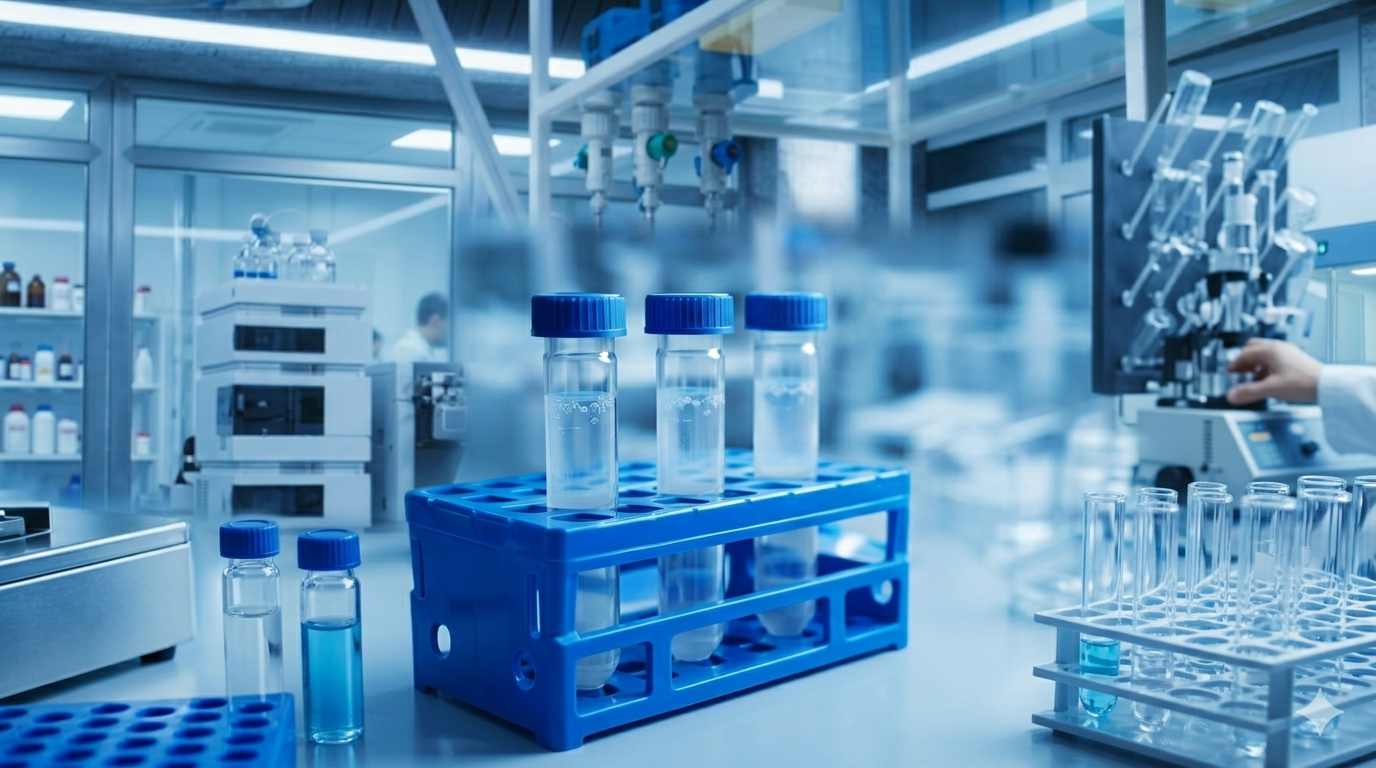
Reconstitution: Most injectable peptides are supplied as lyophilized powder. Add bacteriostatic water slowly to the vial wall rather than directly onto the peptide cake. Swirl gently — never vortex or shake. Allow the powder to dissolve naturally over 1-2 minutes. The reconstitution guide covers volumes and concentrations for every compound PSPeptides carries.
Storage: Lyophilized peptides remain stable at room temperature for short periods (days to weeks depending on compound), but should be stored refrigerated (2-8°C) for extended stability, or frozen (-20°C) for long-term storage. Reconstituted peptides must be refrigerated and used within 28 days. The peptide storage guide covers compound-specific requirements in detail.
Dosing calculations: Everything you need to know about peptides includes understanding how to calculate doses accurately. If you add 1mL of bacteriostatic water to a 5mg vial, the concentration is 5mg/mL (5,000mcg/mL). A 250mcg dose would require 0.05mL, which on a 100-unit insulin syringe equals 5 units. PSPeptides provides a free peptide calculator that performs these calculations automatically given your vial size and target dose.
Purity and documentation: Everything you need to know about peptides in a research context includes verifying that your compound matches the purity documented in the Certificate of Analysis. Published research uses pharmaceutical-grade compounds — your sourcing should match those standards. PSPeptides publishes every batch COA publicly at pspeptides.com/certifications.
Frequently Asked Questions
What are peptides?
Short chains of amino acids (2-50) that bind to receptors and trigger specific biological responses. Your body produces hundreds naturally — insulin, oxytocin, endorphins. Research peptides are synthetic versions for targeted research. This is the foundation of everything you need to know about peptides.
Are peptides safe for research?
Published research documents favorable safety profiles — a key point in everything you need to know about peptides for research. BPC-157 has 700+ studies with no lethal dose established. Always source 99%+ independently verified purity from a US manufacturer like PSPeptides.
How do I start with peptides?
Everything you need to know about peptides for getting started: choose a compound by research goal, order from PSPeptides with supplies ($17-$85 total), use the free calculator, follow the reconstitution guide. Non-injectable options available from $16.99.
Do I have to inject peptides?
No. PSPeptides offers 7+ non-injectable products: GHK-Cu Serum ($16.99 topical), nasal sprays (Semax, Selank, Selank+Semax, Melanotan I/II), and BPC-157 Throat Spray ($59.99).
What is the difference between research peptides and pharmaceutical peptides?
Research peptides and pharmaceutical peptides differ primarily in their regulatory and intended-use classification. Pharmaceutical peptides are FDA-approved drugs with specific medical indications, dosing protocols, and manufacturing oversight — such as semaglutide (Ozempic) or insulin. Research peptides are compounds sold strictly for laboratory investigation and scientific study, not for human therapeutic use. Everything you need to know about peptides in a research context emphasizes this distinction: research compounds are evaluated for their biological mechanisms, not administered as treatments. PSPeptides compounds are manufactured to 99%+ purity with independent third-party verification, making them suitable for rigorous scientific investigation.
How do peptides differ from proteins?
The technical distinction between peptides and proteins comes down to chain length and structural complexity. Peptides contain 2 to approximately 50 amino acid residues. Proteins are longer chains — typically 50+ residues — that fold into complex three-dimensional structures. Both are built from the same amino acids using the same peptide bond chemistry. In practical research terms, everything you need to know about peptides includes understanding that their smaller size allows them to bind specific receptors with high precision, cross certain biological membranes, and produce targeted physiological signals that larger proteins cannot replicate with the same specificity.
All PSPeptides products are sold exclusively for research and laboratory use.
All PSPeptides products are sold exclusively for research and laboratory use.