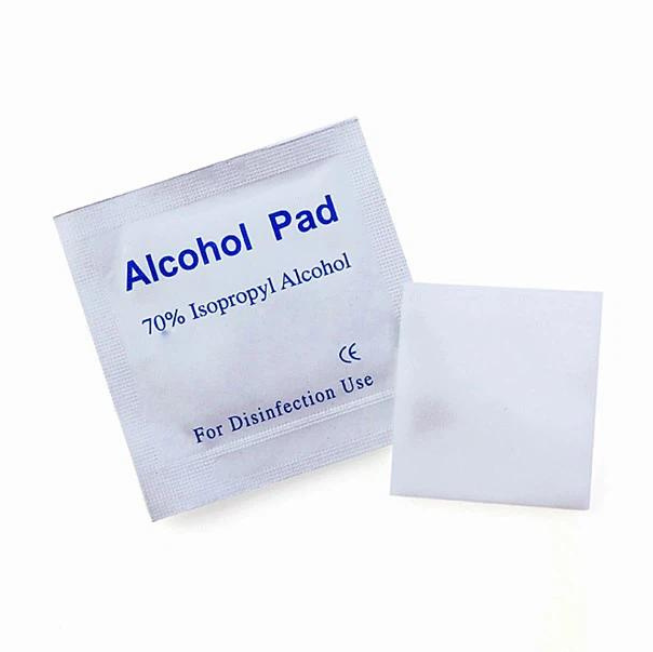
Alcohol Prep Pads – Sterile 70% Isopropyl
Price range: $4.99 through $8.99
Alcohol Prep Pads — Sterile 70% Isopropyl — Gamma-sterilized, individually wrapped 70% IPA sterile wipes. Essential for aseptic peptide reconstitution. US manufactured. 20 or 50 count.




 Made & Shipped
For laboratory and research use only. This product is not a drug, food, or cosmetic and is not for human or animal consumption. It is not intended to diagnose, treat, cure, or prevent any disease. These statements have not been evaluated by the FDA. Sold solely to qualified researchers and licensed laboratories. Certificate of Analysis available on request.
Description
Alcohol prep pads are a foundational sterile supply for every peptide research protocol. Each pad is pre-saturated with 70% isopropyl alcohol (IPA), individually foil-wrapped, and gamma-sterilized to maintain integrity until point of use. PSPeptides’ alcohol prep pads meet USP sterility standards and are available in 20-count or 50-count configurations to suit any research volume.
What Are Alcohol Prep Pads?
Alcohol prep pads are single-use, pre-moistened wipes designed to deliver a precise concentration of 70% isopropyl alcohol to a target surface. In research settings, 70% IPA is the gold standard because it requires trace moisture to penetrate microbial cell walls and denature proteins — making it more effective than 100% anhydrous alcohol for surface decontamination. These alcohol prep pads are classified as sterile single-use supplies and meet or exceed USP sterility standards for use in aseptic procedures. Learn more about how to properly prepare peptide vials in our complete peptide reconstitution guide.
Key Research Applications
- Vial stopper decontamination: Use an alcohol prep pad to wipe the rubber septum of each lyophilized peptide vial before needle insertion to eliminate surface bioburden.
- Bacteriostatic water vial prep: Sanitize the stopper of your bacteriostatic water vial with a fresh alcohol prep pad prior to drawing the reconstitution volume.
- Work surface preparation: Create a sterile zone on bench surfaces before handling open peptide materials or performing any needle work.
- Injection site preparation: Standard practice for subcutaneous and intramuscular injection site asepsis in controlled research protocols.
Product Specifications
| Alcohol Concentration | 70% Isopropyl Alcohol (IPA) |
| Size | Medium (standard research size) |
| Packaging | Individually foil-wrapped, single-use |
| Sterility | Gamma-sterilized |
| Count Options | 20 Count | 50 Count |
| Origin | US manufactured |
| Compliance | Meets USP sterility standards |
How to Use Alcohol Prep Pads for Peptide Research
Using alcohol prep pads correctly ensures your peptide reconstitution workflow remains free from contaminants at every stage. Follow this standard protocol to maximize aseptic integrity with each sterile wipe in your supply kit:
- Tear open the individual foil packet using the notched edge — do not touch the moistened pad surface with bare fingers to preserve sterility.
- Wipe the rubber stopper of your peptide vial and bacteriostatic water vial using a single, unidirectional stroke. Avoid scrubbing back and forth, which can introduce particles rather than remove them from the surface.
- Allow the wiped surface to air dry for approximately 10 seconds before penetrating with a needle. The brief drying period allows residual IPA to fully evaporate, preventing trace alcohol from entering the vial and affecting peptide integrity.
- Discard the alcohol prep pad immediately after each single use. Never reuse a pad between surfaces or vials, as this risks cross-contamination of your research materials.
Why 70% IPA: The Science Behind the Concentration
Not all isopropyl alcohol concentrations are equally effective as antimicrobials, and understanding the chemistry helps researchers select the right alcohol prep pads for their protocols. Isopropyl alcohol exerts its germicidal effect by denaturing proteins and disrupting lipid membranes of bacterial cells. At 70% concentration, water is present as a cofactor that slows evaporation, increases contact time with the target surface, and facilitates deeper penetration through the semi-permeable outer layers of microorganisms.
Concentrations above 90% IPA evaporate too rapidly on contact, forming a protective coagulated protein shell on the cell surface before the alcohol can fully penetrate — paradoxically reducing decontamination efficacy. The 70% formulation has been validated by decades of clinical microbiology research as the optimal bactericidal and fungicidal concentration for surface decontamination. Gamma-sterilized alcohol prep pads standardize this concentration in a controlled, pre-measured delivery format — eliminating the variability that occurs when lab personnel manually saturate gauze from bulk IPA containers.
In studies examining common nosocomial pathogens, 70% isopropyl alcohol demonstrates a greater than 3-log reduction in Staphylococcus aureus, Escherichia coli, and Pseudomonas aeruginosa within 30 seconds of surface contact. Each individually sealed alcohol prep pad delivers a pre-saturated volume of 70% IPA, ensuring consistent decontamination performance across every preparation event in your lab.
Aseptic Technique in Peptide Research: Why It Matters
Peptide research demands rigorous aseptic technique at every stage of preparation. Lyophilized peptides are particularly vulnerable to microbial contamination during reconstitution because the powder form lacks preservatives or bacteriostatic agents. Once dissolved in bacteriostatic water, the peptide solution is stored for extended periods, and any contamination introduced during preparation can propagate rapidly and irreversibly degrade your sample.
Alcohol prep pads serve as the first and most critical line of defense in the aseptic workflow. The rubber septum of a peptide vial may carry surface microorganisms from storage, handling, or environmental exposure — even within a well-maintained laboratory setting. A consistent wipe-and-dry protocol using sterile alcohol prep pads reduces this surface bioburden to safe research levels before any needle penetration occurs. According to laboratory practice guidelines referenced by the National Institutes of Health on aseptic technique in pharmaceutical compounding, proper surface decontamination with 70% IPA is a critical procedural step in preventing contamination during sterile preparations.
Researchers working with growth hormone peptides like CJC-1295/Ipamorelin, regenerative peptides like BPC-157, or metabolic compounds like weight management peptides recognize that solution integrity depends not only on peptide purity but on meticulous handling standards at every step. Alcohol prep pads represent the simplest, lowest-cost element of that protocol — but skipping them can compromise research results or introduce safety concerns in laboratory environments.
Alcohol Prep Pads vs. Alternative Decontamination Methods
| Feature | Alcohol Prep Pads (70% IPA) | 70% Ethanol Wipes | Dry Gauze |
|---|---|---|---|
| Antimicrobial Efficacy | Excellent (broad spectrum) | Excellent | None |
| Individually Sterile | Yes (gamma-sterilized foil pack) | Varies | Not typically |
| Evaporation Rate | Moderate (optimal contact time) | Moderate | N/A |
| Lint / Particle Risk | Low (non-woven fabric) | Low | High |
| Pre-measured Volume | Yes (consistent saturation) | No | No |
| Cost per Unit | Low | Medium | Low |
| Shelf Life (sealed) | Long (hermetically foil-sealed) | Medium | Long |
| Recommended for Peptide Research | Yes — first choice | Acceptable substitute | Not recommended |
Reconstitution Workflow: Complete Aseptic Protocol
Alcohol prep pads are used at two distinct checkpoints in every peptide reconstitution event. First, before withdrawing bacteriostatic water: wipe the stopper of the BAC water vial with one sterile pad, allow it to air dry for 10 seconds, then insert the needle to draw your measured volume. Second, before injecting into the peptide vial: wipe the lyophilized peptide vial stopper with a fresh alcohol prep pad and allow it to air dry completely, then slowly introduce the bacteriostatic water down the inside wall of the vial to avoid foaming or disrupting the lyophilized cake structure.
Some researchers also apply a sterile wipe to sanitize the barrel of an insulin syringe near the needle hub, especially when working in non-controlled environments. While not universally required, this additional step adds a margin of safety when absolute sterility cannot be guaranteed by ambient conditions. Review our full step-by-step reconstitution guide and pair it with our peptide dosage calculator guide for a complete, end-to-end preparation workflow.
Choosing the Right Count: 20 vs. 50 Pack
PSPeptides supplies these sterile wipes in two convenient counts to match different research scales. The 20-count pack is ideal for researchers running occasional reconstitution sessions or those who want to trial a new supply before committing to a larger quantity. Each foil-sealed packet is independently sterile, meaning you can use them across multiple sessions without worrying about the integrity of unused pads in the pack — every individual wipe remains sealed until you need it.
The 50-count option delivers the best per-unit value and suits active research labs that perform regular reconstitution sessions, maintain multiple peptide compounds simultaneously, or work through several vials per week. High-frequency researchers working with compounds like BPC-157/TB-500 blends or stacked protocols involving multiple peptides will find the 50-count pack provides a practical one-to-two month supply at typical research frequencies. Having an adequate inventory prevents workflow interruptions mid-protocol.
Storage and Shelf Life
Alcohol prep pads in sealed foil packaging have an extended shelf life when stored at room temperature (15–25°C) away from direct heat and sunlight. The foil enclosure prevents evaporation of the IPA and maintains sterility until the seal is broken. Once opened, each pad must be used immediately and discarded — these wipes cannot be resealed or saved for later use. Keep your supply in a cool, dry location, and inspect each packet for seal integrity before use. Damaged or punctured packets should always be discarded regardless of whether the pad appears moist.
For researchers maintaining a complete peptide supply inventory, sterile prep wipes pair naturally with the practices outlined in our peptide storage guide and should be restocked regularly to avoid protocol interruptions. The 50-count box is ideal for active labs, while the 20-count option suits researchers with lighter workloads or shorter research cycles.
Integration with a Complete Research Supply Kit
Experienced peptide researchers know that having every supply item ready before starting reconstitution is critical to workflow efficiency. A well-stocked research kit includes the lyophilized peptide vials, bacteriostatic water, appropriately sized insulin syringes, sterile prep wipes, and a sharps disposal container for used needles. Missing any one element means interrupting the protocol — and any interruption introduces risk of contamination or procedural error.
PSPeptides has designed its supply catalog specifically around the complete peptide researcher’s workflow. You can source every consumable in your reconstitution kit from a single trusted domestic supplier. Explore our 2026 research peptides legal guide and our peptide supplier selection guide to understand why sourcing from a US-based, COA-verified vendor matters for research integrity.
Compatibility with All Peptide Research Formats
Whether you are working with growth hormone secretagogues, metabolic research peptides, tissue repair compounds, or cognitive enhancement peptides, the reconstitution process follows the same aseptic fundamentals. Sterile wipes are formulation-agnostic — they serve the same critical decontamination function regardless of which peptide you are preparing. Researchers working across muscle and recovery peptides, skin research compounds, and immune support peptides can standardize on a single supply of sterile alcohol prep pads for all their preparation needs, simplifying supply management and reducing the number of vendors required for a fully equipped research lab.
Published Research on IPA Decontamination
The antimicrobial efficacy of 70% isopropyl alcohol — the active agent in every alcohol prep pad — is among the most thoroughly documented findings in laboratory microbiology. A widely cited review by Kramer et al. published in BMC Infectious Diseases examined disinfectant efficacy data across multiple pathogen classes and confirmed that 70% IPA achieves rapid kill times for gram-positive and gram-negative bacteria, enveloped viruses, and most common fungi encountered in laboratory settings.
Supplementary validation comes from the CDC guidelines on surface disinfection in healthcare and laboratory settings, which endorse 70% isopropyl alcohol as a tier-one surface decontaminant. In pharmaceutical manufacturing and research-grade compounding environments, individually packaged sterile wipes are considered best practice because they eliminate operator-to-operator variability in alcohol volume and concentration. This consistency is especially important when preparing sensitive lyophilized peptides that represent significant research investment and cannot be easily replaced if contaminated during handling.
Frequently Bought Together
Alcohol prep pads are commonly purchased as part of a complete peptide research supply kit. Researchers pair them with bacteriostatic water, insulin syringes, and lyophilized peptide products from PSPeptides. Building a complete supply kit before beginning your protocol prevents workflow interruptions mid-reconstitution. Review our complete guide to research peptides and how to read a COA to verify your peptides before reconstitution begins.
Researchers working on specific protocols may also find value in our detailed guides on subcutaneous vs. intramuscular injection techniques, peptide stacking protocols, and understanding peptide research side effects. Sterile prep wipes are consistently restocked alongside bacteriostatic water, making them among the most frequently reordered consumables in our catalog.
Why Researchers Choose PSPeptides Supplies
- US Manufactured: All supplies sourced and stocked domestically for fast, reliable fulfillment to researchers nationwide.
- Sterility Standards: These alcohol prep pads meet the same sterility and quality standards used in clinical and pharmaceutical compounding settings.
- Fast Shipping: Free UPS 2nd Day Air on orders over $200, with same-day dispatch for orders placed before 2 PM EST.
- Flexible Payments: Credit cards, Afterpay, Klarna, Apple Pay, and Google Pay accepted.
- 7-Day Support: Reach our team by email any day of the week for supply questions or research protocol guidance.
- Complete Supply Ecosystem: Combine sterile prep wipes with peptides, bacteriostatic water, syringes, and research guides — all from a single trusted domestic source.

Frequently Asked Questions
Are these alcohol prep pads suitable for wiping peptide vial stoppers?
Yes. These gamma-sterilized alcohol prep pads are specifically appropriate for the aseptic preparation workflow used in peptide research. The individually wrapped format ensures a clean, uncontaminated wipe every time. Allow the 70% IPA to air dry for approximately 10 seconds before needle insertion to prevent trace alcohol from entering the vial and affecting your reconstituted peptide solution.
How many sterile wipes should I use per reconstitution session?
Use one pad per vial per sanitization event — a minimum of two sterile wipes per reconstitution (one for the bacteriostatic water vial stopper and one for the peptide vial stopper). Never reuse a pad once it has contacted a surface, as it may transfer rather than remove contaminants. The 20-count and 50-count options allow you to stock based on your typical research volume and frequency.
What is the difference between isopropyl and ethanol alcohol prep pads?
Both 70% isopropyl alcohol (IPA) and 70% ethanol are effective broad-spectrum disinfectants suitable for surface decontamination. Isopropyl alcohol is slightly more effective against certain fungal species and carries a lower cost profile, which is why it is the standard formulation for sterile alcohol prep pads. For peptide vial stopper decontamination, 70% IPA sterile wipes remain the research standard and are the formulation PSPeptides supplies.
Can I use alcohol prep pads to clean my peptide injection pen or syringes?
These sterile wipes can be used to sanitize the external surfaces of devices. However, needles should never be reused — always use a new sterile needle for each vial penetration event. For cleaning the injection pen body or external syringe barrel, a single alcohol prep pad wipe is effective and safe. Refer to our complete peptide guide for comprehensive equipment handling and sterile workflow protocols.
How should I store unused alcohol prep pads?
Keep your supply in the original sealed foil packaging, stored in a cool and dry location away from heat sources and direct sunlight. The hermetically sealed packets maintain sterility and IPA concentration for the full duration of the shelf life when stored correctly. Room temperature storage (15–25°C) is optimal for these sterile wipes — do not refrigerate or freeze, as thermal cycling can stress the foil seal integrity over time.
Related Research Resources
- How to Reconstitute Peptides — Step-by-Step Guide
- What Is Bacteriostatic Water and Why Is It Used?
- Peptide Storage Guide — Temperature, Light, and Stability
- How to Read a Peptide Certificate of Analysis (COA)
- Subcutaneous vs. Intramuscular Peptide Injection Techniques
- Peptide Dosage Calculator — How to Use It
- Complete Guide to Research Peptides
All PSPeptides products are sold exclusively for laboratory and research use. Not intended for human consumption.
Alcohol prep pads are also used to quickly rub the rubber stopper of a vial immediately before needle insertion, ensuring the surface is decontaminated at the final critical moment of the reconstitution process.
Additional information
| Weight | 0.03 lbs |
|---|---|
| Dimensions | 2 × 2 × 2 in |
| Quantity | 20 Count, 50 Count |
Related products
-
 BAC Water & Supplies · 2 options
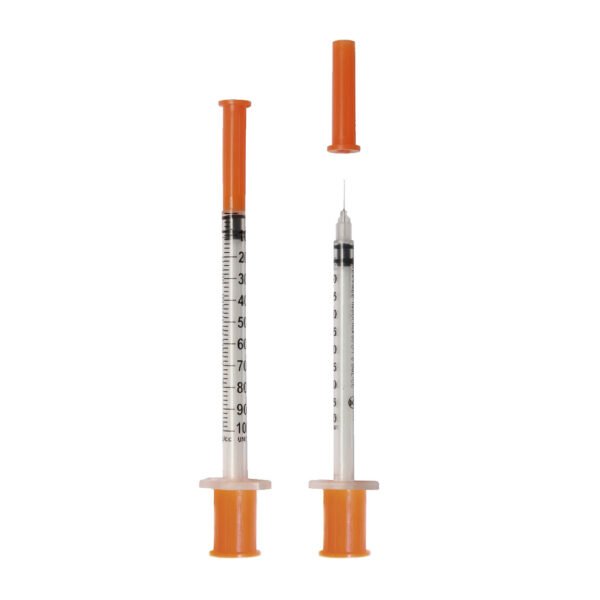
EasyTouch Insulin Syringes 1mL 31G
Price range: $9.99 through $19.99 Select options This product has multiple variants. The options may be chosen on the product page -
BAC Water & Supplies
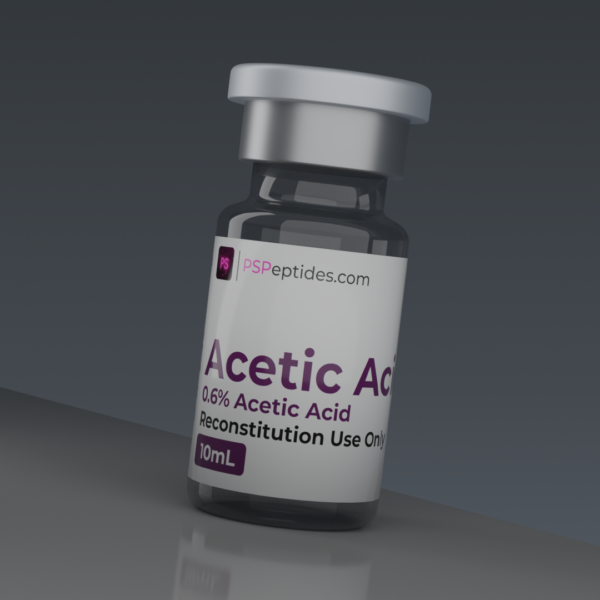
Acetic Acid Reconstitution Solution | Research Grade 10mL
$14.99 Select options This product has multiple variants. The options may be chosen on the product page -
BAC Water & Supplies · 2 options
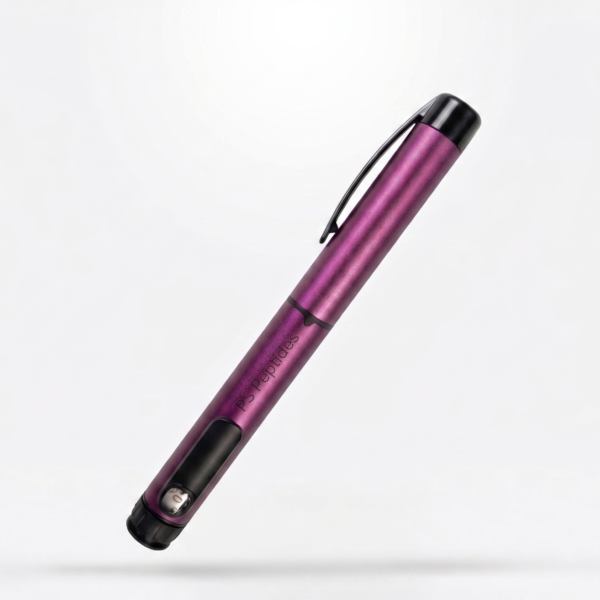
The PSPen™️
Price range: $89.99 through $105.99 Select options This product has multiple variants. The options may be chosen on the product page -
BAC Water & Supplies · 2 options
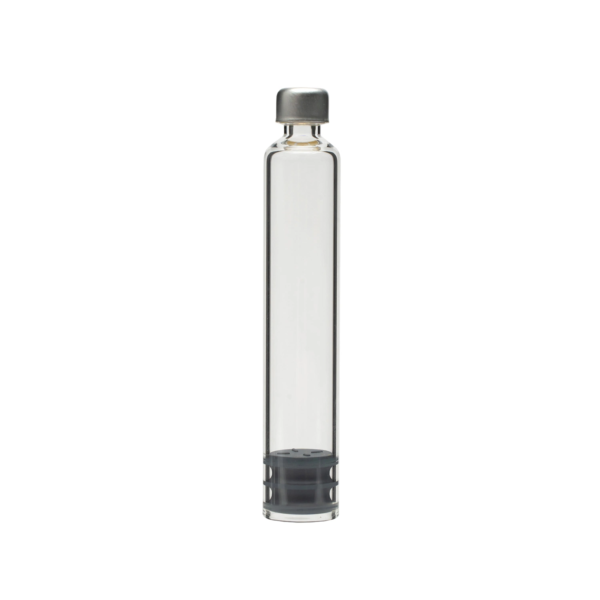
3mL Peptide Pen Refill Cartridges
Price range: $3.99 through $11.99 Select options This product has multiple variants. The options may be chosen on the product page