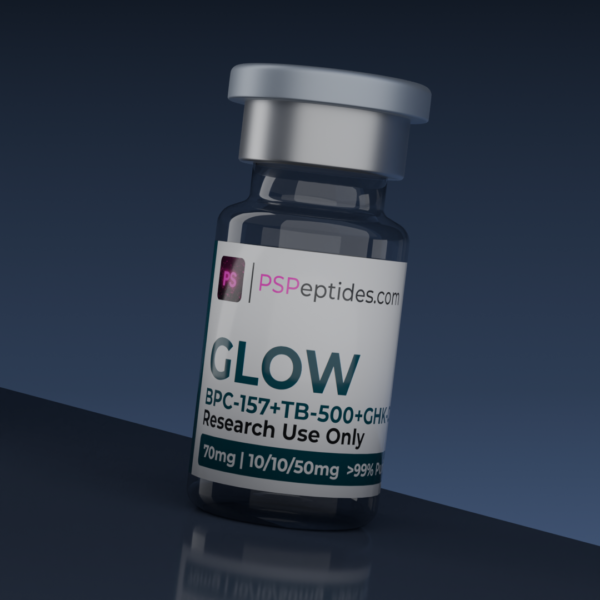
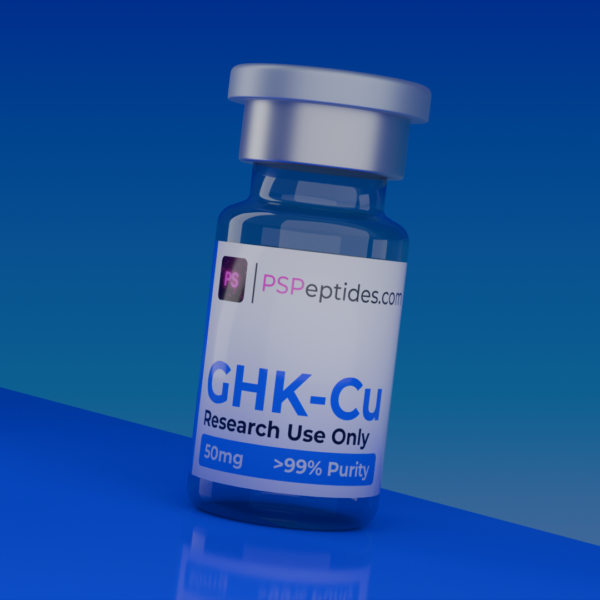
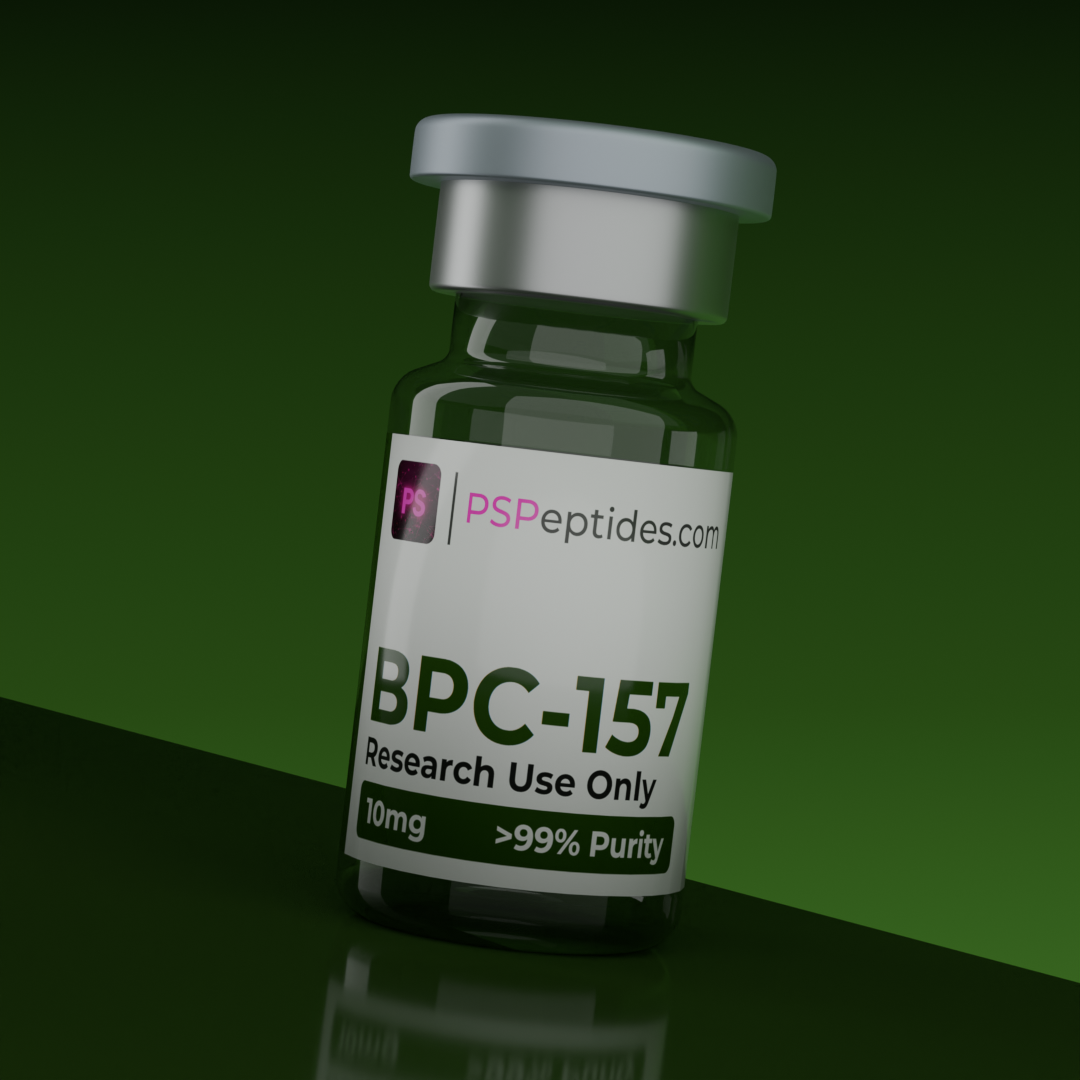
BPC-157 is a stable gastric pentadecapeptide originally isolated from human gastric juice with the amino acid sequence Gly-Glu-Pro-Pro-Pro-Gly-Lys-Pro-Ala-Asp-Asp-Ala-Gly-Leu-Val (CAS: 137525-51-0). It is among the most extensively studied tissue-repair peptides in published preclinical literature, with over 180 PubMed-indexed studies documenting healing activity across skin, tendon, ligament, muscle, bone, nerve, cornea, and gastrointestinal tissue. Learn more in our BPC-157 complete research guide.
Unlike most peptides, when you buy BPC-157 you receive a remarkably stable peptide — one that persists in human gastric juice and demonstrates significant biological activity at nanogram-to-microgram-per-kilogram doses in animal models. Researchers who buy BPC-157 for their studies value its broad-spectrum activity and its consistent behavior across multiple tissue systems without observed toxicity at standard research doses.
Detailed Mechanism of Action
Researchers who buy BPC-157 are primarily interested in its multi-pathway tissue repair activity. BPC-157 promotes angiogenesis through activation of VEGFR2 (vascular endothelial growth factor receptor 2) and stimulates fibroblast migration and proliferation at injury sites — a critical early step in tissue regeneration. This pro-angiogenic activity appears to be central to its documented effects across different tissue types and body systems.
Buy BPC-157 for its well-documented tendon and connective tissue repair effects, which operate primarily via the FAK-paxillin signaling pathway. Research by Chang et al. (2011) in the Journal of Applied Physiology demonstrated that BPC-157 significantly accelerates tendon fibroblast outgrowth from tendon explants, increases cell survival under oxidative stress, and promotes dose-dependent cell migration. These effects were observed at picomolar concentrations in vitro, suggesting high receptor sensitivity and potency relative to peptide mass.
Another key mechanism involves modulation of the nitric oxide (NO) system. BPC-157 interacts with NO pathways to regulate blood flow and vascular homeostasis at injury sites. This action may explain its documented cytoprotective effects across both GI and non-GI tissues. In the central nervous system, BPC-157 has been shown to modulate dopaminergic and serotonergic neurotransmission, with published research noting significant interactions with the GABA system as well.
BPC-157 also rapidly upregulates expression of multiple growth factor genes in wound tissue. Studies have documented increased expression of genes encoding EGF, VEGF, and FGF family members within hours of administration in animal wound models. This broad growth factor gene expression profile may explain why researchers who decide to buy BPC-157 observe effects across such a wide variety of tissue compartments and injury models.
The gastrointestinal cytoprotection mechanism of BPC-157 has been studied extensively in rat models of NSAID-induced damage, ethanol-induced damage, and surgical anastomosis. BPC-157 stabilizes intestinal mucosal integrity through a combination of anti-inflammatory effects, NO pathway modulation, and direct growth factor gene induction. These GI effects were the original reason for research interest in this compound and remain among its best-documented activities in the preclinical literature.

Published Research Overview
The published preclinical literature on BPC-157 is extensive and spans more than three decades of research from multiple independent groups. Sikiric and colleagues at the University of Zagreb have published more than 40 peer-reviewed papers on this peptide. Their work spans gastrointestinal protection, musculoskeletal repair, neuroprotection, and systemic cytoprotection. A landmark 2014 paper in Current Pharmaceutical Design described BPC-157 as offering “novel therapy” potential across multiple body systems based on its documented activity in animal models.
Staresinic et al. (2003) in the Journal of Orthopaedic Research documented that BPC-157 accelerated healing of transected rat Achilles tendon compared to controls, with histological analysis confirming superior collagen organization in treated animals. This study is frequently cited by researchers who buy BPC-157 for musculoskeletal repair studies. The full record is available at PubMed (PMID 12918639).
Mikus et al. (2001) demonstrated in Burns that topical BPC-157 cream significantly improved wound healing in a mouse burn model, outperforming both silver sulfadiazine and systemic corticosteroids in wound closure rate and histological quality. In a separate domain, Sikiric et al. (2018) in Current Neuropharmacology provided a comprehensive overview of BPC-157’s brain-gut axis interactions, documenting interactions with multiple neurotransmitter systems. The full text is indexed at PubMed (PMID 29651925).
Additional published work has examined BPC-157 in corneal repair models, bone defect healing, liver fibrosis protection, and inflammatory bowel disease. Researchers who buy BPC-157 for publication-quality studies typically reference the comprehensive review by Sikiric et al. as a primary literature anchor. See also our BPC-157 dosage guide, BPC-157 vs TB-500 comparison, and our general complete guide to research peptides.
BPC-157 vs Alternative Tissue-Repair Peptides
| Feature | BPC-157 | TB-500 | GHK-Cu |
|---|
| Amino Acids | 15 | 43 (fragment) | 3 |
| Primary Mechanism | FAK-paxillin, VEGFR2, NO system | Actin sequestration, angiogenesis | Copper chelation, TGF-β modulation |
| GI Stability | High (gastric-origin peptide) | Moderate | Low |
| Published Studies | 180+ (PubMed) | 40+ (PubMed) | 60+ (PubMed) |
| Tissue Targets | Tendon, GI, nerve, muscle, bone, skin | Muscle, tendon, cardiac | Skin, hair, nerve |
| Research Dose Range | 1–10 µg/kg (animal models) | 2–10 mg (typical animal protocols) | 0.5–2 mg (typical animal protocols) |
| Combination Research | Studied with TB-500 (Wolverine Stack) | Studied with BPC-157 | Limited combination data |
| Storage Form | Lyophilized powder | Lyophilized powder | Lyophilized powder |
Researchers who buy BPC-157 commonly combine it with TB-500 (Thymosin Beta-4) in what is referred to as the “Wolverine Stack.” See our full Wolverine Stack research guide and BPC-157 + TB-500 blend overview for published combination data and research protocols.
Reconstitution & Handling Protocol
Researchers who buy BPC-157 in lyophilized form must reconstitute it before use in aqueous experiments. The standard protocol is to add bacteriostatic water (BAC water) to the vial slowly and swirl gently — never shake or vortex — to avoid peptide aggregation or degradation. For a 5mg vial, adding 1mL of BAC water yields a 5mg/mL (5000 µg/mL) stock solution. Dilute further with sterile saline or additional BAC water as needed to achieve your experimental concentration.
Always reconstitute under sterile conditions using a laminar flow hood when available. Use a fresh, alcohol-swabbed syringe and needle for each access of the reconstituted vial to prevent contamination. See our complete peptide reconstitution guide and peptide dosage calculator guide for step-by-step procedures. For specifications on bacteriostatic water, see our bacteriostatic water guide.
Injection routes used in published BPC-157 research include subcutaneous, intramuscular, intraperitoneal, and oral gavage. Route selection depends heavily on the study design and tissue target. See our subcutaneous vs intramuscular injection guide for route comparison data.
Storage & Stability Guidelines
Lyophilized BPC-157 is stable at −20°C for up to 24 months when properly sealed and protected from moisture, heat, and light. Avoid repeated freeze-thaw cycles, which degrade peptide structural integrity over time. Labs that buy BPC-157 in multiple vials for longer studies should keep unopened vials frozen and reconstitute one at a time. Each freeze-thaw cycle can reduce functional purity by a measurable percentage depending on formulation. Our complete peptide storage guide provides detailed protocols for maintaining lyophilized and reconstituted peptides under research laboratory conditions.
Once reconstituted in bacteriostatic water, store BPC-157 solution at 2–8°C in a standard laboratory refrigerator. Use within 4 weeks of reconstitution. Keep vials away from direct light, as UV exposure can break peptide bonds over time. Visible signs of degradation in reconstituted peptide solution include cloudiness, color change, or particulate formation — discard any solution exhibiting these signs. Our peptide degradation identification guide provides a systematic checklist for quality assessment before experimental use.
Certificate of Analysis — What to Expect
Every batch of BPC-157 sold by PSPeptides includes a batch-specific Certificate of Analysis produced by an independent third-party laboratory. The COA documents HPLC-verified purity of ≥99%, mass spectrometry confirmation of the correct molecular weight (1419.5 Da), and sequence identification. Unlike some suppliers who provide generic or pooled-lot COAs, PSPeptides COAs are batch-specific — your vial’s lot number corresponds directly to the analytical data provided.
Researchers who buy BPC-157 for institutional or publication-quality research should retain the COA in their study files as documentation of reagent quality. Many institutional review processes and journal submission guidelines now require documentation of peptide source and purity. See our detailed guide to reading a peptide COA for help interpreting the analytical data in your report.
Why Researchers Choose PSPeptides to Buy BPC-157
- US Manufactured: BPC-157 and all other peptides are synthesized and quality-controlled in domestic facilities under strict protocols — not imported and relabeled.
- Third-Party Tested: Independent HPLC and mass spectrometry on every production batch, with batch-specific COA documentation provided with each order.
- Fast Domestic Shipping: Free UPS 2nd Day Air on orders over $200, with same-day dispatch on orders placed before 2 PM EST on business days.
- Flexible Payment Options: Credit cards, Afterpay, Klarna, Apple Pay, and Google Pay all accepted for researcher convenience.
- 7-Day Customer Support: Reach the PSPeptides research team by email seven days a week for order and product questions.
- Competitive Per-Milligram Pricing: Researchers who regularly buy BPC-157 online will find our per-milligram pricing highly competitive among US-manufactured, independently tested sources. See our 2026 best peptide companies comparison for independent analysis.
- Simple Ordering: Select your vial size, add to cart, and buy BPC-157 online in under two minutes with secure checkout.
Frequently Asked Questions
What is the difference between BPC-157 5mg and 10mg vials?
Both vials contain the same ≥99% pure lyophilized BPC-157 peptide — the only difference is total peptide quantity. Researchers who buy BPC-157 in the 10mg size typically do so for longer-duration studies or multi-subject protocols where the larger vial offers better per-milligram value. Both sizes include a batch-specific COA and are manufactured and independently tested to identical standards.
How do I reconstitute BPC-157 for use in research experiments?
Add bacteriostatic water slowly to the lyophilized powder vial to achieve the concentration needed for your study protocol. For a 5mg vial, 1mL of BAC water yields a 5mg/mL stock solution that can be further diluted. Always swirl gently — never shake or vortex the vial. Researchers who buy BPC-157 from PSPeptides can add bacteriostatic water and other supplies to the same order. Store reconstituted peptide at 2–8°C and use within 4 weeks. See our complete reconstitution guide for detailed protocols and tips.
Is it legal to buy BPC-157 for laboratory research in the United States?
BPC-157 is sold legally in the United States as a research chemical for laboratory and preclinical in-vivo research use. It is not FDA-approved for human therapeutic application and is not intended for human consumption. Researchers who buy BPC-157 should consult their institution’s IACUC and regulatory guidelines before initiating animal studies. See our overview of research peptide legal status in 2026.
How does BPC-157 compare to TB-500 for tissue repair research?
BPC-157 operates primarily via the FAK-paxillin pathway and NO system, with documented strength in GI cytoprotection and tendon repair, while TB-500 works through actin sequestration and shows particular activity in muscle and cardiac models. Many researchers who buy BPC-157 also purchase TB-500 for combination protocols. See our detailed BPC-157 vs TB-500 comparison and the peptides for joint and tendon repair guide.
What does the PSPeptides batch-specific COA include?
Our BPC-157 COA includes HPLC chromatogram data confirming ≥99% purity, mass spectrometry data confirming the molecular weight of 1419.5 Da, and sequence identification. The COA is produced by an independent third-party analytical laboratory — not an internal PSPeptides facility. Researchers who buy BPC-157 from PSPeptides receive COA access linked to their specific lot number with their order documentation.
Where can I buy BPC-157 with fast US shipping?
You can buy BPC-157 directly from this page — choose the 5mg or 10mg vial, add it to your cart, and check out with a credit card, Afterpay, Klarna, Apple Pay, or Google Pay. Orders placed before 2 PM EST on business days ship the same day from our US facility, and orders over $200 qualify for free UPS 2nd Day Air.
Additional Research Resources
BPC-157 in Gastrointestinal Research
The original research context for BPC-157 was gastrointestinal protection. The peptide was first identified in human gastric juice, and early studies focused on its ability to protect the gastric mucosa against damaging agents including NSAIDs, ethanol, and surgical trauma. These foundational GI studies established the core safety and activity profile that has guided more than three decades of subsequent research. Researchers who buy BPC-157 for GI models will find the most robust and replicated data set in this area.
In IBD models, BPC-157 has demonstrated the ability to reduce inflammatory markers, improve mucosal healing, and normalize intestinal motility. In anastomosis models — where GI surgical connections are created in animals — BPC-157 improved healing of the anastomotic site and reduced adhesion formation. This combination of anti-inflammatory and pro-healing activity makes BPC-157 a frequently used tool in GI surgical research. See our peptides for gut health research guide for a broader overview of GI-active peptides.
BPC-157 in Neurological Research Models
Beyond its well-known musculoskeletal and GI applications, BPC-157 data extends into neurological and psychiatric research models. Studies have documented BPC-157’s effects on dopaminergic systems, including protection against lesion-induced dopaminergic neuron death and modulation of behavioral phenotypes in rodent models of Parkinson’s-like conditions. The brain-gut axis review by Sikiric et al. (2018) provides a systematic overview of these CNS-relevant mechanisms.
In models of traumatic brain injury (TBI) and spinal cord injury, BPC-157 has demonstrated neuroprotective effects, with treated animals showing improved functional recovery compared to controls in multiple published studies. These neuroprotective properties are of significant interest to researchers investigating post-injury neurological function, and a growing number of labs now buy BPC-157 specifically for CNS models. In addiction models, BPC-157 has been studied for its effects on withdrawal behaviors associated with alcohol, opioids, and dopaminergic agents, likely through its interactions with both dopaminergic and NO signaling systems.
Peptide Stacking Considerations for Research
When designing research protocols that include BPC-157 studies, researchers frequently consider whether to use it as a single agent or in combination with complementary peptides. The most studied combination is BPC-157 + TB-500 (Thymosin Beta-4 fragment), which has its own body of published combination data. These two peptides operate through distinct but potentially synergistic mechanisms — BPC-157 through the FAK-paxillin and NO pathways, TB-500 through actin sequestration and systemic angiogenesis promotion.
Other peptides that appear in the literature alongside BPC-157 include GHK-Cu (in skin and wound models), AOD-9604 (in metabolic models), and various growth hormone-related peptides. Researchers who buy BPC-157 for complex study designs should carefully review the published combination data before designing multi-peptide protocols. See our comprehensive peptide stacking research guide and peptide half-life reference chart for protocol design support.
How to Choose a Reliable Source When You Buy BPC-157
Not all BPC-157 products on the market are created equal. When researchers decide to buy BPC-157 online, the key quality indicators to verify are: independent third-party COA with HPLC and mass spec data; batch-specific rather than generic lot COAs; US-manufactured or equivalent GMP-compliant synthesis; clear documentation of sequence and CAS number; and responsive customer support for research questions.
PSPeptides meets all of these criteria. Our BPC-157 is synthesized in US facilities, tested by an independent third-party lab on a per-batch basis, and accompanied by a COA documenting both purity and molecular identity. Researchers who buy BPC-157 from suppliers without proper COA documentation risk introducing a significant unknown variable into their experimental design. Our guide to choosing a research peptide supplier covers the full evaluation framework, and our 2026 peptide company comparison provides independent analysis of leading suppliers. Ready to order? Buy BPC-157 above — select 5mg or 10mg, add to cart, and your vial ships from our US facility with its batch-specific COA.
All PSPeptides products are sold exclusively for laboratory and research use. Not intended for human consumption.





 Made & Shipped