Glutathione (γ-L-glutamyl-L-cysteinyl-glycine) is the body’s master intracellular antioxidant — a tripeptide synthesized from glutamate, cysteine, and glycine. Researchers investigating oxidative stress, immune modulation, cellular detoxification, and mitochondrial function routinely use glutathione as a key experimental tool. For a broader introduction to peptide research, see our Complete Guide to Peptides.
Detailed Mechanism of Action
When researchers buy glutathione for in vitro or in vivo studies, they are working with a molecule whose biological activity centers on its thiol (–SH) group. The free sulfhydryl of the cysteine residue is the reactive site that accepts electrons from oxidized proteins, lipids, and DNA bases, neutralizing reactive oxygen species (ROS) before they can cause irreversible macromolecular damage.
Inside cells, glutathione cycles between its reduced form (GSH) and its oxidized disulfide form (GSSG). The enzyme glutathione reductase continuously regenerates GSH using NADPH as a cofactor, maintaining the GSH:GSSG ratio — a critical index of cellular redox status. Researchers use this ratio as a reliable biomarker of oxidative stress in experimental models.
Glutathione also functions as a cofactor for glutathione peroxidases (GPx1–8), a family of selenoenzymes that catalyze the reduction of hydrogen peroxide and lipid hydroperoxides. In glutathione S-transferase (GST) reactions, GSH is conjugated to electrophilic xenobiotics, facilitating their export from the cell and enabling downstream Phase II detoxification. Each pathway makes glutathione an indispensable research tool across toxicology, pharmacology, and cell biology.
Mitochondrial glutathione (mGSH) is a distinct pool that protects the inner mitochondrial membrane from lipid peroxidation and helps maintain the mitochondrial membrane potential. Depletion of mGSH is directly linked to apoptosis initiation in multiple cell-type models, underscoring why researchers who want to buy glutathione for mitochondrial studies require high-purity, properly handled material.

Published Research on Glutathione
A landmark 2021 paper by Sinha et al. published in Antioxidants demonstrated that supplementation with liposomal glutathione significantly elevated whole-blood GSH levels in healthy human subjects, providing a pharmacokinetic framework for dosing in translational research models. The authors documented a dose-dependent increase in natural killer (NK) cell activity alongside the rise in circulating GSH, suggesting a mechanistic link between glutathione status and innate immune function. See the study on PubMed (PMID 33498933).
Earlier foundational work by Dröge and Breitkreutz (2000) in the Proceedings of the Nutrition Society established that glutathione depletion drives T-cell dysfunction and impairs cytokine signaling, findings that remain widely cited in immunology research today. Their mechanistic framework continues to inform studies on immune senescence, HIV pathology, and autoimmune conditions — all areas where researchers increasingly buy glutathione as a tool to restore or probe GSH-dependent pathways. The original publication is available at PubMed (PMID 11115792).
More recent work has focused on glutathione’s role in skin biology. A randomized controlled trial (Watanabe et al., 2014) found that oral reduced glutathione at 250 mg/day over 12 weeks produced measurable reductions in melanin index across multiple skin sites compared with placebo, opening new avenues for dermatological research protocols. Researchers who buy glutathione for skin pigmentation studies should note that topical and systemic delivery routes produce markedly different tissue distribution profiles. Explore related research in our Best Peptides for Skin Research guide.
Glutathione vs. Comparable Antioxidant Peptides
| Feature | Glutathione (GSH) | GHK-Cu | N-Acetyl Cysteine (NAC) |
|---|
| Primary Role | Master intracellular antioxidant, detoxification | Skin remodeling, wound healing | GSH precursor, mucolytic |
| Mechanism | Direct ROS scavenging, GST conjugation | Copper chelation, collagen synthesis | Cysteine donation to GSH synthesis |
| Research Applications | Oxidative stress, immune, liver, mitochondria | Dermatology, hair, anti-aging | Respiratory, toxicology, precursor studies |
| Cellular Location | Cytosol, mitochondria, nucleus | Extracellular matrix, receptors | Extracellular → intracellular after conversion |
| Half-Life | ~7 days (tissue-dependent) | ~1–2 hours (plasma) | ~6 hours |
| Stability (Lyophilized) | 2 years at −20°C | 2 years at −20°C | 2 years at room temperature |
| Purity (PSPeptides) | 99%+ | 99%+ | N/A |
Reconstitution & Handling
Researchers who buy glutathione in lyophilized form should reconstitute using sterile bacteriostatic water (BAC water) or phosphate-buffered saline (PBS) at pH 7.0–7.4. Use the following general protocol: inject BAC water slowly against the vial wall rather than directly onto the lyophilized cake. Gently swirl the vial until the powder is fully dissolved — do not vortex, as mechanical shearing can disrupt peptide structure. For step-by-step guidance, see our complete reconstitution guide and peptide dosage calculator guide.
Glutathione is particularly sensitive to oxidation after reconstitution. Work under inert gas (nitrogen or argon) when possible and minimize repeated freeze–thaw cycles. Single-use aliquots prepared at the time of reconstitution preserve activity far better than bulk storage of reconstituted solution. Use 0.22 µm syringe filters for sterile filtration before addition to cell culture media.
Storage & Stability
Lyophilized glutathione powder is stable for up to 24 months when stored at −20°C in a light-protected container. The reduced form (GSH) is more susceptible to air oxidation than GSSG; maintaining a nitrogen headspace in storage vials or using oxygen-absorbing desiccants significantly extends shelf life. Once reconstituted, store at 2–8°C and use within 7–14 days, or aliquot and store at −80°C for longer-term stability. For a full breakdown of peptide storage best practices, see our Peptide Storage Guide and our Peptide Degradation Guide.
Certificate of Analysis
Every batch of glutathione sold by PSPeptides is backed by a batch-specific Certificate of Analysis (COA) generated by an independent third-party laboratory. The COA documents HPLC purity (typically reported as area-under-curve percentage), mass spectrometry confirmation of molecular weight, and endotoxin testing results. The COA PDF for this specific batch is included with your order. To learn how to read and interpret your COA, visit our Peptide Purity: How to Read a COA guide. Researchers who buy glutathione from PSPeptides can be confident that every vial ships with traceable documentation.
Why Researchers Choose PSPeptides to Buy Glutathione
- US Manufactured: All peptides are produced in domestic GMP-compliant facilities under strict quality controls.
- Third-Party Tested: Independent HPLC and mass spectrometry on every batch — no self-reported purity claims.
- Fast Shipping: Free UPS 2nd Day Air on orders over $200; same-day dispatch on orders placed before 2 PM EST.
- Flexible Payments: Credit cards, Afterpay, Klarna, Apple Pay, and Google Pay accepted.
- 7-Day Support: Reach our team by email seven days a week.
- Comprehensive Documentation: Batch-specific COA shipped with every order so researchers can verify what they buy glutathione against.
Frequently Asked Questions
What makes PSPeptides the best place to buy glutathione for research?
PSPeptides combines US domestic manufacturing with independent third-party testing on every single batch. When you buy glutathione here, you receive a batch-specific COA, same-day shipping available before 2 PM EST, and access to 7-day customer support. No other domestic supplier matches this combination of speed, documentation, and purity standards for research-grade glutathione.
What concentration should I use when reconstituting glutathione?
The optimal reconstitution concentration depends on your experimental protocol. Common working concentrations in cell culture range from 0.1 mM to 10 mM GSH. For systemic research models, researchers typically prepare 10–50 mg/mL stocks using sterile bacteriostatic water, then dilute to working concentration in PBS or cell culture medium. Always filter through a 0.22 µm membrane before adding to cell cultures.
How should I store glutathione after reconstitution?
Reconstituted glutathione is stable for 7–14 days at 2–8°C when stored in light-protected vials. For longer storage, aliquot into single-use volumes and freeze at −80°C. Avoid repeated freeze–thaw cycles, as each cycle promotes oxidation of the reactive thiol group. Minimize air exposure by sealing vials with parafilm and purging with nitrogen where equipment permits.
Is glutathione the same as N-acetyl cysteine (NAC)?
No — glutathione (GSH) and N-acetyl cysteine (NAC) are distinct compounds with related but different mechanisms. NAC is a prodrug precursor that donates cysteine to the glutathione synthesis pathway, indirectly raising intracellular GSH levels. Direct glutathione administration bypasses this biosynthetic step, providing preformed GSH that cells can immediately use. Researchers who buy glutathione directly can study GSH-dependent pathways without the confounding effects of cysteine metabolism that accompany NAC studies.
Can glutathione be stacked with other research peptides?
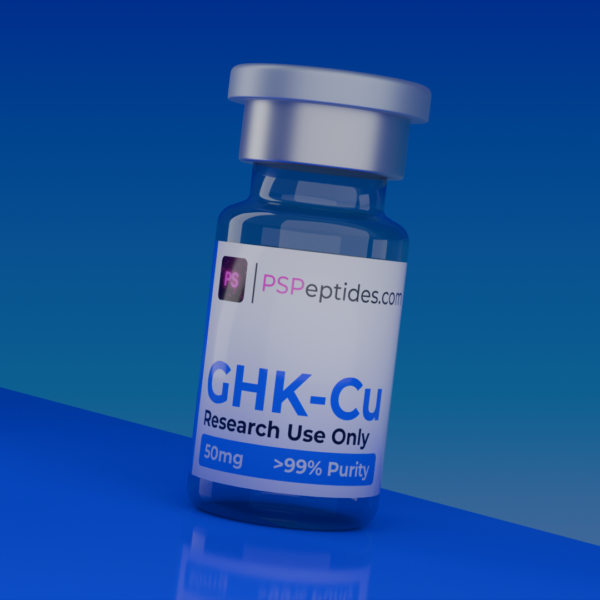
In preclinical research, glutathione has been combined with antioxidant peptides such as GHK-Cu and with mitochondria-targeting peptides in oxidative stress models. Each stacking protocol should be designed based on the specific research question, with appropriate vehicle controls. For general guidance on designing multi-peptide protocols, see our Peptide Stacking Guide.
Glutathione Half-Life and Pharmacokinetics in Research Models
Understanding glutathione pharmacokinetics is essential for designing dosing protocols in animal and cell-based research. Free glutathione administered intravenously has a plasma half-life of approximately 2–3 minutes in rodent models, reflecting rapid uptake by hepatocytes and erythrocytes and hydrolysis by gamma-glutamyl transpeptidase (GGT) on cell surfaces. Intracellular GSH, by contrast, has a tissue-specific half-life ranging from several hours (in rapidly dividing cells) to several days (in terminally differentiated neurons). Researchers who buy glutathione for systemic studies should account for these kinetics in their experimental design. Our Peptide Half-Life Chart provides comparative data useful for protocol planning.
For cell culture experiments, GSH uptake from culture medium is low unless specific transport systems are engaged. Most researchers who buy glutathione for in vitro work use cell-permeable precursors or electroporation to load cells with exogenous GSH, then measure intracellular GSH levels via Ellman’s reagent (DTNB) or fluorescent probes such as monochlorobimane (MCB). Establishing the correct loading concentration and timing relative to your experimental stimulation window is critical for reproducible results across replicates.
Related Resources
Glutathione and Immune Research
The relationship between glutathione status and immune function is one of the most extensively documented areas in redox biology. Research consistently shows that GSH levels in immune cells — particularly lymphocytes, monocytes, and dendritic cells — must be maintained above critical thresholds to support proper antigen presentation, T-cell receptor signaling, and cytokine secretion. When investigators buy glutathione for immunology protocols, they are typically seeking to either restore depleted GSH in aged or stressed cell cultures or to establish concentration-response relationships for redox-sensitive immune pathways.
CD4+ T helper cells are among the most GSH-sensitive immune cell populations. Studies using GSH-depleted T-cell lines demonstrate impaired IL-2 secretion and reduced proliferative responses to mitogens — phenotypes that are fully reversible upon GSH repletion. This reversibility makes research-grade glutathione an essential positive-control reagent in T-cell biology experiments. See our overview of Peptides for Immune Support for additional context on redox-active peptides in immunological research.
Glutathione in Longevity and Anti-Aging Research
Age-associated decline in cellular glutathione levels is a well-documented phenomenon across mammalian species. Both total GSH and the GSH:GSSG ratio decrease progressively with age in tissues ranging from brain cortex to skeletal muscle to hepatocytes. Researchers who buy glutathione for longevity studies use exogenous GSH supplementation in model organisms to probe whether restoring youthful GSH levels can delay or reverse molecular markers of aging, including protein carbonylation, lipid peroxidation, and mitochondrial dysfunction.
Glutathione depletion has been mechanistically linked to several hallmarks of aging: genomic instability (via oxidative DNA damage), altered intercellular communication (via redox-sensitive signaling cascades), and mitochondrial dysfunction (via mGSH loss). Investigators probing these pathways need research-grade glutathione with verified purity so that experimental variability reflects biology rather than batch-to-batch differences in reagent quality. For related reading on anti-aging peptide science, see our Best Peptides for Longevity & Anti-Aging guide and our deep-dive on Epithalon and Telomere Biology.
Glutathione in Skin Biology Research
Dermatological researchers who buy glutathione investigate its role in melanogenesis modulation, UV-induced DNA damage repair, and wound healing acceleration. GSH inhibits tyrosinase — the rate-limiting enzyme in melanin biosynthesis — both directly by reducing the ortho-quinone intermediate and indirectly by chelating the copper cofactor in the tyrosinase active site. These dual mechanisms have made glutathione a focus of depigmentation and skin evenness research across multiple in vitro and ex vivo model systems.
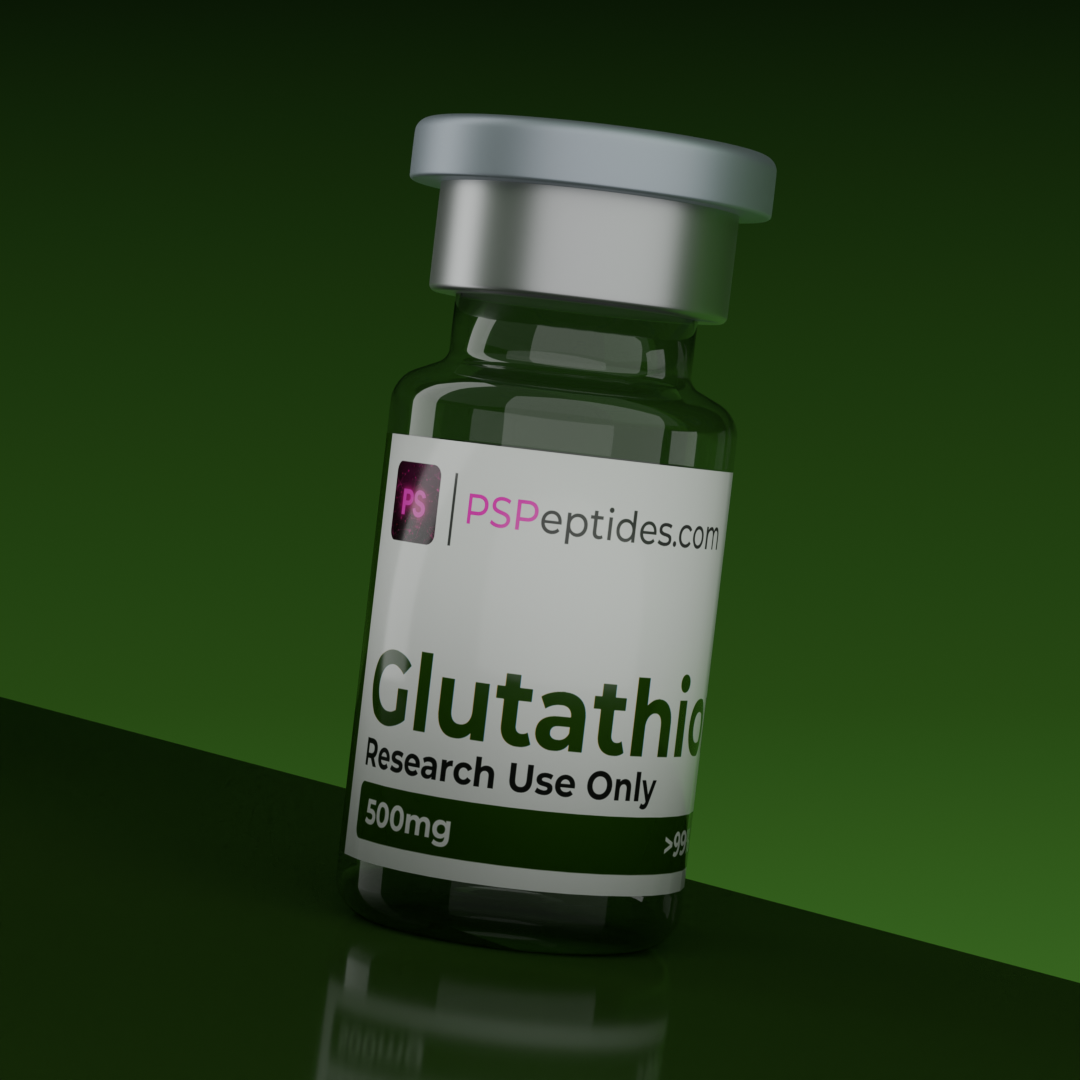
Topical application of glutathione in research contexts uses different delivery vehicles than parenteral administration: liposomal encapsulation, nanoparticle formulations, and co-delivery with penetration enhancers are all actively studied approaches aimed at overcoming the skin barrier. Researchers should note that our buy glutathione vials are provided in lyophilized form for maximum stability, and each batch is documented to ensure that your experimental formulations start from a verified baseline. Explore related peptide skin science at our Best Peptides for Skin Research overview.
Understanding Glutathione Purity Standards
When you buy glutathione for research, purity matters at every step of the experimental workflow. Impurities in synthetic glutathione preparations fall into several categories: related substances (partially protected synthesis intermediates), residual solvents (acetonitrile, DMF), inorganic salts from counterion exchange, and endotoxins from bacterial contamination of synthesis reagents. Each category carries different risk profiles for cell-based assays.
PSPeptides addresses each category systematically. HPLC purity ≥99% eliminates related substance concerns. Mass spectrometry confirmation verifies molecular identity (MW 307.32 Da for reduced glutathione). Endotoxin testing ensures that cytokine and immune assay results reflect glutathione biology rather than lipopolysaccharide contamination artifacts. Researchers who need to buy glutathione and simultaneously maintain assay validity will find our documentation framework the most rigorous available from a US domestic supplier. Review our guide to reading peptide COAs to understand exactly what each figure in your documentation means.
Ordering, Shipping, and Research Compliance
When you buy glutathione from PSPeptides, your order ships from our US-based facility. Orders placed before 2 PM EST on business days ship same day. Orders over $200 qualify for free UPS 2nd Day Air delivery, ensuring that your temperature-sensitive lyophilized material arrives in optimal condition. We ship with dry ice or refrigerant packs as appropriate for the season and transit duration.
Research peptides including glutathione exist in a well-defined regulatory category: they are legal research chemicals available to licensed laboratory personnel for in vitro and preclinical in vivo research. Glutathione is not classified as a controlled substance in the United States. For a thorough overview of the legal landscape for research peptides, see our Are Research Peptides Legal in 2026? guide. Researchers outside the US should verify import regulations with their local regulatory authority before placing an order to buy glutathione internationally.
How to Choose a Research Peptide Supplier When You Buy Glutathione
The market for research peptides has evolved significantly. Key criteria for supplier evaluation include: domestic vs. overseas manufacturing (impacts shipping times and regulatory traceability), testing methodology (HPLC alone vs. HPLC plus mass spectrometry), documentation availability (batch-specific vs. generic COAs), and post-sale support. PSPeptides meets the highest standard on each criterion. Our supplier selection guide and Best Peptide Companies for 2026 review provide independent frameworks for making this decision with confidence. When researchers buy glutathione online, provenance and documentation should be the first filter applied.
All PSPeptides products are sold exclusively for laboratory and research use. Not intended for human consumption.





 Made & Shipped