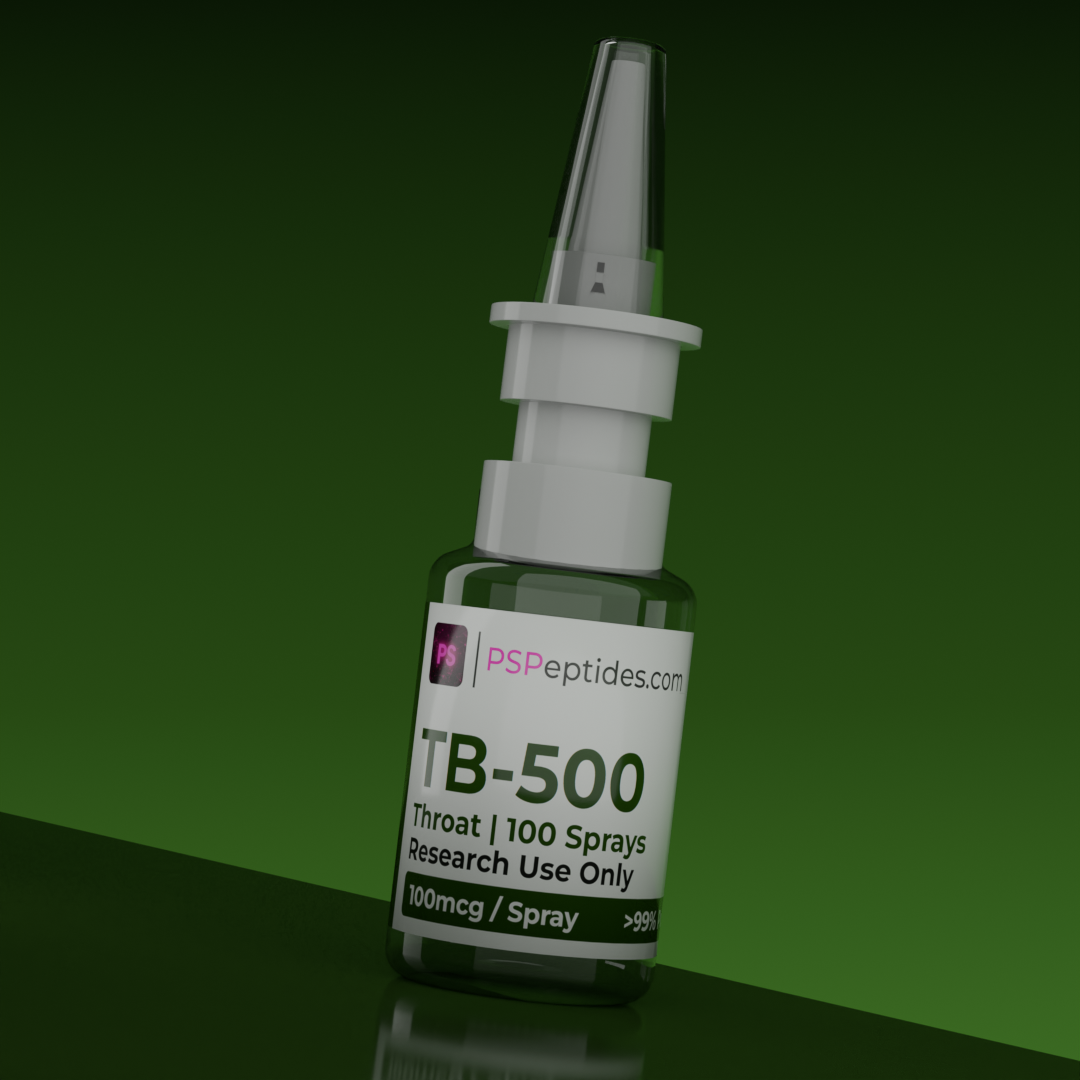
TB-500 Spray
$89.99
TB-500 Spray — Needle-free Thymosin Beta-4 research peptide. 99%+ purity, US manufactured, batch-specific COA included.




 Made & Shipped
For laboratory and research use only. This product is not a drug, food, or cosmetic and is not for human or animal consumption. It is not intended to diagnose, treat, cure, or prevent any disease. These statements have not been evaluated by the FDA. Sold solely to qualified researchers and licensed laboratories. Certificate of Analysis available on request.
Description
TB-500 Spray is a research-grade, US-manufactured formulation of synthetic Thymosin Beta-4 (Tβ4) in a needle-free oral spray. Independently verified to 99%+ purity by third-party HPLC and mass spectrometry, this product gives laboratory researchers a fast, measurable way to study Tβ4’s role in actin regulation and cell-repair signaling pathways.
What Is TB-500 Spray?
TB-500 Spray delivers a synthetic version of Thymosin Beta-4, the naturally occurring 43-amino-acid peptide best known for binding and sequestering monomeric actin inside cells. Because the compound arrives pre-mixed in a stable liquid carrier, researchers can administer consistent doses without weighing powder or reconstituting a vial. Our complete TB-500 research guide covers the underlying peptide science in more depth, including how Thymosin Beta-4 was first characterized and why it remains a widely studied actin-binding protein decades later.
Key Research Applications
Laboratories work with TB-500 Spray across several distinct areas of cell and tissue research, generally centered on the actin-regulating properties of its active peptide.
- Cytoskeletal Research: Used in models studying actin polymerization and cell shape dynamics.
- Tissue Repair Signaling: Explored in wound-margin and extracellular matrix remodeling studies.
- Angiogenesis Models: Investigated for its influence on endothelial cell migration in vitro.
- Comparative Stacking Research: Frequently studied alongside BPC-157 in combined-pathway research protocols.
TB-500 Spray Product Specifications
| Amount | 10mg total (100 sprays at 100mcg/spray) |
| Purity | 99%+ (third-party HPLC and mass spectrometry) |
| Form | Oral/sublingual spray, pre-mixed liquid carrier |
| Storage | Refrigerate after opening; protect from light and heat |
| Testing | Batch-specific COA included |
| Origin | US manufactured |
Detailed Mechanism of Action of TB-500 Spray
The active compound in this formula is modeled on Thymosin Beta-4, the most abundant member of the beta-thymosin family of actin-binding proteins. Its primary documented role is regulating the pool of free monomeric actin available for polymerization, which in turn affects cell shape, motility, and migration capacity in cultured cell models.
Because actin dynamics underpin so many repair-related processes, researchers use TB-500 Spray in models spanning dermal wound margins, corneal epithelium, and cardiac tissue. Published reviews describe Tβ4 involvement in cell survival signaling, endothelial migration, and modulation of local inflammatory mediators, though most of this evidence comes from cell culture and animal models rather than controlled human trials.
Research on Thymosin Beta-4 also extends to hair follicle and stem-cell migration models, where the peptide has been observed to influence progenitor cell mobilization. This breadth of activity is part of why the compound remains a frequently requested peptide among laboratories studying regenerative signaling pathways.
Beyond actin binding, Tβ4 has been described in the literature as having secondary effects on local inflammatory signaling and on the recruitment of progenitor cells to injury sites. Researchers using TB-500 Spray in comparative models often track these downstream markers alongside direct measures of cell migration to build a fuller picture of the pathway.
Because Tβ4 is present naturally in platelets and wound fluid, some laboratories use this spray format as a way to model physiological concentrations of the peptide in controlled in vitro systems, rather than relying solely on endogenous release. Others use it purely as a convenient, shelf-stable source of verified peptide for dose-response work.
Understanding these overlapping mechanisms helps explain why Thymosin Beta-4 shows up across such a wide range of published fields, from ophthalmology to cardiology to dermatology, despite sharing a single core actin-binding function.

Research Applications in Detail
The general categories above cover a lot of ground, so it helps to walk through what each looks like in practice when a laboratory incorporates TB-500 Spray into an active protocol.
Cytoskeletal and Motility Studies
Because Thymosin Beta-4 directly binds monomeric actin, this peptide is a common reagent in studies tracking how cells change shape and migrate across a substrate. Researchers often pair time-lapse microscopy with peptide exposure to quantify migration speed and directionality in cultured cell lines, then compare treated wells against untreated controls.
Some labs extend this work into three-dimensional matrix models, where cell migration is harder to characterize than on a flat culture surface. In these settings, actin-binding peptides are often used as one variable among several, alongside matrix stiffness and growth-factor supplementation, to help isolate which factors most strongly influence directional movement.
Wound-Margin and Repair Models
Scratch-assay and organotypic skin models are a frequent setting for this research, exploring how actin-regulating peptides influence the rate at which a wound margin closes over time. These models help researchers separate cytoskeletal contributions from other repair variables such as growth factor signaling.
Because wound-margin closure involves both cell migration and proliferation, some protocols pair imaging timepoints with proliferation markers to distinguish which process is being influenced. This distinction matters when comparing results across different published models, since terminology around “repair” and “regeneration” is not always used consistently in the literature.
Angiogenesis and Endothelial Research
Endothelial tube-formation assays are another common application, since Tβ4 has been described as influencing endothelial cell migration, a prerequisite step in new vessel formation studied in several published models of tissue vascularization.
Researchers running these assays typically quantify tube length, branch points, and network coverage after a fixed incubation period, then compare treated and untreated wells statistically. Because vascularization research spans cardiology, ophthalmology, and dermatology, findings from one tissue type are not always directly transferable to another.
Stacked and Comparative Protocols
Many laboratories studying tissue-repair peptides run this product alongside BPC-157 to compare or combine their respective signaling profiles. Our peptide stacking guide outlines how researchers typically structure these comparative protocols, including how to keep variables isolated between test groups.
When designing a stacked protocol, most labs run single-peptide and combined-peptide arms side by side, along with an untreated control, so that any additive or synergistic effect can be distinguished from the contribution of each peptide alone. Documenting concentrations, timepoints, and cell passage number consistently across arms is what makes this type of comparative data usable later.
Understanding Thymosin Beta-4 Nomenclature
Thymosin Beta-4 was first characterized decades ago as a small, highly conserved protein found across many vertebrate tissues, and it is sometimes abbreviated Tβ4 or TB4 in older literature. The commercial name commonly used across the research-peptide industry for the synthetic version of this sequence is TB-500, a naming convention that has stuck even though it does not reference a specific amino acid position.
Because naming conventions vary between suppliers and older academic papers, researchers new to this peptide sometimes need to cross-reference product listings against the actual amino acid sequence to confirm they are comparing equivalent material. Checking the Certificate of Analysis and any published sequence data is the most reliable way to do this rather than relying on product names alone.
This naming history is also why some published papers discuss “Thymosin Beta-4” broadly while commercial listings, including this spray format, reference the shorter TB-500 name. Both refer to the same underlying peptide chemistry.
Published Research on the Active Peptide in TB-500 Spray
A 2021 review in the European Review for Medical and Pharmacological Sciences summarized Thymosin Beta-4’s role in regulating actin polymerization, angiogenesis, and cell migration, noting its wide distribution across tissue types (Faa et al., 2021). This research underlies much of the interest in TB-500 Spray as a tool for studying repair-related cell signaling.
A 2023 review in the International Immunopharmacology journal examined Tβ4 specifically in cardiac tissue models, describing its developmental expression pattern and proposed regenerative signaling role (Bock-Marquette et al., 2023). More recent 2025 work explored Tβ4-loaded delivery systems, including microneedle patches, in diabetic wound-healing models (Ding et al., 2025), reflecting continued laboratory interest in this class of peptide.
Collectively, this body of literature spans more than two decades of laboratory work, moving from early actin-binding characterization toward more applied delivery-system research. Researchers evaluating TB-500 Spray for a new protocol often start with these reviews before designing tissue- or cell-type-specific experiments of their own, since the existing literature spans multiple species and delivery methods.
Researchers interested in the primary literature can review these papers directly: Thymosin beta-4 and angiogenesis (Faa et al., 2021), Thymosin beta-4 in cardiac regenerative research (Bock-Marquette et al., 2023), and Tβ4-engineered delivery systems for wound healing (Ding et al., 2025).
TB-500 Spray vs Alternatives
| Feature | TB-500 Spray | TB-500 Injectable Vial | BPC-157 Spray |
|---|---|---|---|
| Format | Pre-mixed oral spray | Lyophilized powder, requires reconstitution | Pre-mixed oral spray |
| Needle-Free | Yes | No | Yes |
| Purity | 99%+ | 99%+ | 99%+ |
| Primary Peptide | Thymosin Beta-4 | Thymosin Beta-4 | BPC-157 |
| Storage Complexity | Low | Moderate (post-reconstitution) | Low |
| COA Included | Yes | Yes | Yes |
| Common Stacking Partner | BPC-157 | BPC-157 | TB-500 |
Choosing between these formats generally comes down to a laboratory’s existing workflow: teams already set up for reconstitution and injection-based dosing may prefer the injectable vial, while teams prioritizing speed, portability, and needle-free handling frequently choose the spray format instead. Both formats deliver the same underlying peptide, so the decision is largely one of laboratory logistics rather than chemistry.

Usage & Handling
Because TB-500 Spray arrives pre-mixed, it does not require reconstitution the way lyophilized vials do. Researchers working with lyophilized formats of Thymosin Beta-4 or related peptides can review our peptide reconstitution guide and dosage calculator guide for volume-planning reference when working across formats.
Shake the bottle gently before each use so the carrier solution stays evenly distributed, and keep the nozzle capped between uses to limit oxidation and contamination risk. As with all PSPeptides products, TB-500 Spray is intended strictly for laboratory research use and should be handled according to standard laboratory safety practices.
Researchers should log spray counts and bottle open-dates as part of standard lab records, since tracking usage against the labeled spray count helps maintain dosing consistency across a multi-week research protocol.
Storage & Stability
Store TB-500 Spray refrigerated (2-8°C) after opening and keep it away from direct light and heat sources, which can accelerate peptide degradation. Unopened bottles should also be kept refrigerated. For general guidance on storing peptides across formats, see our peptide storage guide.
Under proper storage conditions, this product maintains stability through its labeled shelf life. Researchers should note the batch expiration printed on the bottle and discard product past that date to preserve data integrity in downstream experiments.
If researchers ever notice discoloration, clouding, or an unusual odor from a bottle, our guide to spotting peptide degradation outlines the visual and practical signs worth documenting before continuing a protocol.
If a bottle is accidentally left unrefrigerated for a short period, most peptide suppliers recommend documenting the duration and temperature as best as can be estimated, since brief excursions are generally less damaging than repeated freeze-thaw or prolonged heat exposure. When in doubt, researchers can compare a new COA against a baseline reading if analytical equipment is available in-house.
Certificate of Analysis
Every batch of TB-500 Spray ships with a batch-specific Certificate of Analysis confirming identity and purity via independent third-party HPLC and mass spectrometry testing. Researchers who want help interpreting these reports can consult our guide to reading a peptide COA.
Keeping COA records on file alongside each bottle used in a study supports reproducibility when reporting methods and materials in internal lab documentation, and makes it easier to compare purity across batches over time.
HPLC (high-performance liquid chromatography) separates the sample into its component parts to confirm the primary peptide is present at the stated concentration and to flag unexpected byproducts, while mass spectrometry confirms molecular weight to verify identity. Together, these two independent methods give a more complete purity picture than either test alone, which is why both are used for every production batch rather than just one.
Why Researchers Choose PSPeptides
- US Manufactured: Produced domestically under consistent quality controls.
- Third-Party Tested: Independent HPLC and mass spectrometry verification on every batch.
- Fast Shipping: Free UPS 2nd Day Air over $200, same-day dispatch before 2 PM EST.
- Flexible Payments: Credit cards, Afterpay, Klarna, Apple Pay, and Google Pay accepted.
- 7-Day Support: Reach the PSPeptides team by email.
PSPeptides sources and manufactures TB-500 Spray domestically, then routes each production batch through independent third-party testing before it is listed for sale. This process is designed to give researchers a documented paper trail from raw material to finished bottle for every unit sold, which many labs consider when selecting a recurring supplier.

Frequently Asked Questions
Is TB-500 Spray the same peptide as injectable TB-500?
Yes. TB-500 Spray delivers the same synthetic Thymosin Beta-4 compound found in injectable vials, just suspended in a pre-mixed liquid carrier for needle-free research administration.
How should TB-500 Spray be stored?
Keep it refrigerated between 2-8°C, away from direct light and heat, both before and after opening to preserve peptide stability throughout its labeled shelf life.
What is the purity of PSPeptides TB-500 Spray?
Each batch is independently verified to 99%+ purity using third-party HPLC and mass spectrometry, with a batch-specific COA included with every order.
Can TB-500 Spray be studied alongside BPC-157?
Yes, it is frequently paired with BPC-157 in comparative research protocols examining overlapping tissue-repair signaling pathways. See our BPC-157/TB-500 blend guide for more detail.
Does TB-500 Spray need to be reconstituted before use?
No. It ships pre-mixed in its final liquid carrier, so there is no powder weighing or reconstitution step required before it can be used in a research setting.
How is TB-500 Spray different from other thymosin beta-4 products?
The underlying peptide is the same Tβ4 sequence used across the research-peptide industry; the difference is the pre-mixed spray delivery format, which some laboratories prefer for its simplicity compared with lyophilized vials.
Who Typically Orders TB-500 Spray
Customers ordering this product are generally academic labs, contract research organizations, and independent researchers who need a verified, needle-free source of synthetic Thymosin Beta-4 for cell-based or small-animal study designs. Some order it as a standalone reagent, while others purchase it specifically to run alongside BPC-157 in comparative tissue-repair protocols.
Regardless of the intended experiment, every order ships with the same batch-specific documentation, so a first-time buyer and a returning lab receive identical quality assurance with each shipment.
Documenting Research Protocols
Reproducibility is one of the most common challenges cited across peptide research, and it usually comes down to incomplete documentation rather than the peptide itself. When logging a protocol that uses TB-500 Spray, researchers generally benefit from recording the lot number from the COA, the storage conditions maintained throughout the study, the exact volume or spray count administered per timepoint, and the specific cell line or animal model used.
Keeping this information alongside imaging data, migration measurements, or expression-level results makes it much easier to compare findings across separate runs of an experiment, or to share methods with collaborators evaluating similar actin-signaling questions. Many labs maintain a simple shared spreadsheet or lab notebook entry per batch specifically for this purpose, which also simplifies reordering the correct batch later if a study needs to be repeated.
For teams new to formal documentation practices, our peptide glossary and complete guide to research peptides provide useful background terminology to standardize internal reporting language across a team.
Related Resources
- TB-500 (Thymosin Beta-4) Complete Research Guide
- BPC-157 & TB-500 Blend Guide
- The Wolverine Stack: BPC-157 + TB-500
- BPC-157 vs TB-500 Comparison
- How to Read a Peptide COA
- Peptide Storage Guide
- Peptides for Joint & Tendon Repair Research
- How to Choose a Research Peptide Supplier
All PSPeptides TB-500 Spray products are sold exclusively for laboratory and research use. Not intended for human consumption.
Additional information
| Weight | 0.03 lbs |
|---|---|
| Dimensions | 2 × 2 × 2 in |
| Spray Size | 10mg – 100 Sprays: 100mcg / Spray |
Related products
-
 GH & Regeneration Research Peptides
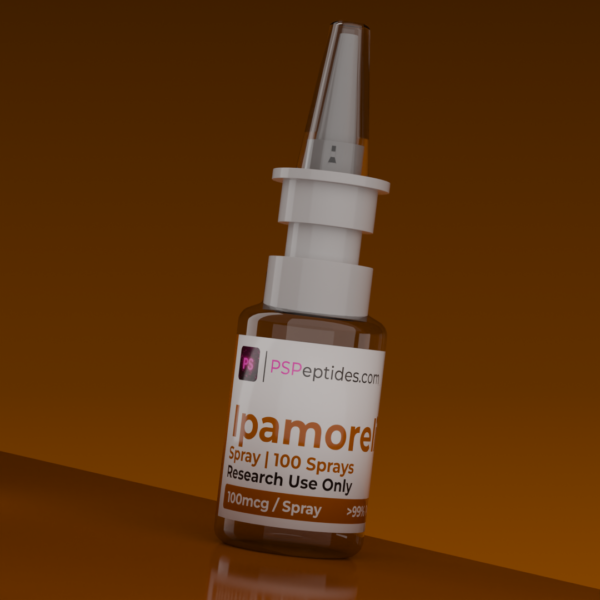
Ipamorelin Spray
$59.99 Select options This product has multiple variants. The options may be chosen on the product page -
GH & Regeneration Research Peptides
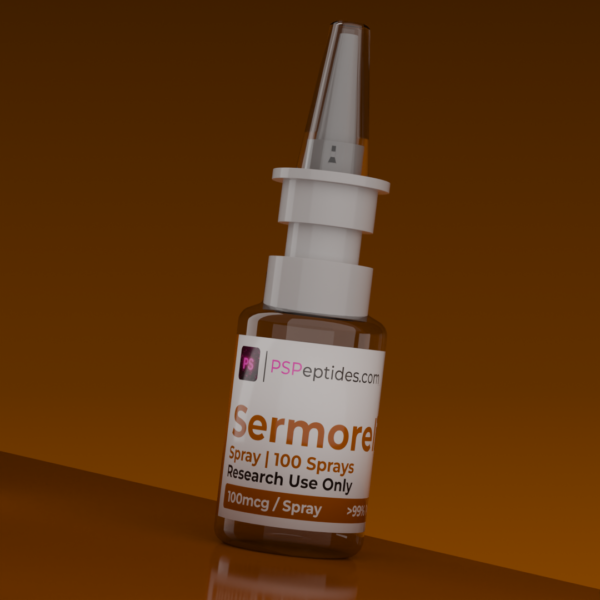
Sermorelin Spray
$59.99 Select options This product has multiple variants. The options may be chosen on the product page -
GH & Regeneration Research Peptides
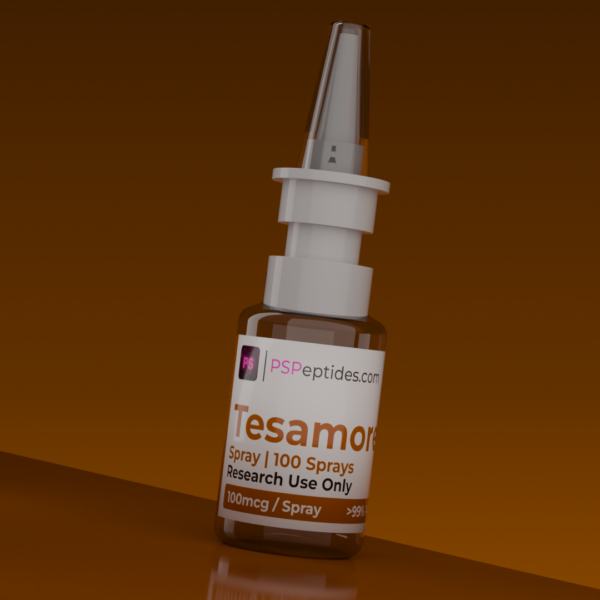
Tesamorelin Spray
$69.99 Select options This product has multiple variants. The options may be chosen on the product page -
GH & Regeneration Research Peptides
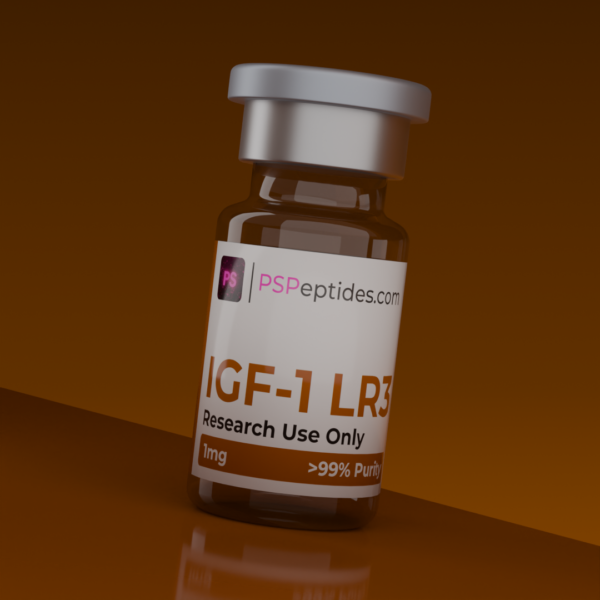
IGF-1 LR3 (1 Vial)
Price range: $24.99 through $89.99 Select options This product has multiple variants. The options may be chosen on the product page