
Reviewed by
Brandon Johnson — Certified Personal Trainer, Nutrition Coach & Peptide Research Consultant
Brandon Johnson is a certified personal trainer, nutrition coach, and peptide research consultant with a background in kinesiology and over 15 years of experience in fitness and wellness. He reviews all PSPeptides educational content for scientific accuracy and practical relevance.
Best copper peptide serum options have exploded in 2026, but most commercial products contain only trace amounts of GHK-Cu that fall far short of concentrations used in published research. If you have been searching for a copper peptide serum that delivers measurable results, the difference between marketing claims and actual peptide concentration is everything.
Copper peptides rank among the most researched anti-aging ingredients available today. Over 100 peer-reviewed studies support GHK-Cu for collagen synthesis, wound healing, and skin remodeling. Yet the skincare industry routinely dilutes this peptide to fractions of effective concentrations, then charges premium prices.
This guide breaks down what copper peptides actually do, how concentration determines results, and why research-grade GHK-Cu from PSPeptides outperforms trace amounts found in mainstream serums.

What Are Copper Peptides and How Do They Work in Skincare?
Copper peptides are short chains of amino acids bound to a copper ion. The most studied variant is GHK-Cu, a naturally occurring tripeptide that exists in human plasma, saliva, and urine. Your body produces GHK-Cu naturally, but levels decline significantly with age.
At age 20, plasma GHK-Cu levels sit around 200 ng/mL. By age 60, that number drops to approximately 80 ng/mL. This decline correlates directly with visible signs of aging including reduced collagen production, slower wound healing, and thinning skin.
GHK-Cu works through multiple mechanisms simultaneously. It stimulates collagen I, collagen III, and elastin production in fibroblasts. It attracts immune cells to damaged tissue, promotes angiogenesis, and activates over 4,000 human genes involved in tissue repair. Research published in the peer-reviewed copper peptide literature has documented GHK-Cu’s ability to reset gene expression patterns toward a healthier state.
Unlike many skincare actives that target one pathway, copper peptides address aging through a systems-level approach. They support the extracellular matrix, reduce oxidative damage, modulate inflammation, and enhance the skin’s own repair mechanisms. This multi-pathway activity is what sets GHK-Cu apart from single-mechanism ingredients.

Why Does Concentration Matter More Than Brand Name?
The gap between clinical research concentrations and commercial product formulations is staggering. Studies demonstrating significant anti-aging effects typically use GHK-Cu at concentrations between 0.01% and 1.0%. Many commercial copper peptide serums contain far less than the minimum effective concentration.
A 2018 analysis of over-the-counter peptide serums found that most products listed peptides as the fifth or sixth ingredient, indicating concentrations well below 1%. Some products marketed as “copper peptide serums” contained copper gluconate instead of GHK-Cu, a completely different compound with limited research support.
Concentration drives results. A study in the published dermatology research demonstrated that GHK-Cu at effective concentrations increased collagen synthesis in human dermal fibroblasts by up to 70%. At diluted concentrations typical of commercial products, the effect dropped to barely detectable levels.
Research-grade GHK-Cu from PSPeptides provides verified concentrations that align with published research protocols. Third-party testing confirms purity above 99%, ensuring every application delivers the amount of active peptide needed for biological activity. You can explore the full science behind topical GHK-Cu application in their detailed serum guide.
How Do DIY Copper Peptide Serums Compare to Commercial Products?
The DIY peptide serum movement has grown rapidly as consumers discover the concentration gap in commercial products. Making your own serum from research-grade GHK-Cu powder offers several advantages, starting with cost and concentration control.

A typical luxury copper peptide serum retails for $80 to $200 per ounce. The actual GHK-Cu content in that bottle might cost $2 to $5 at research-grade pricing. The remaining cost covers packaging, marketing, retail margins, and filler ingredients that may or may not benefit your skin.
DIY formulation lets you control concentration precisely. Starting with pharmaceutical-grade GHK-Cu powder, you can dissolve it in a suitable base at exactly the concentration supported by research. Many DIY formulators use lyophilized GHK-Cu reconstituted in sterile water as a simple and effective approach.
The tradeoff is shelf stability and formulation complexity. Commercial serums include preservatives, pH buffers, and penetration enhancers that extend shelf life and may improve absorption. A DIY serum typically needs refrigeration and should be used within a few weeks. For those interested in making their own, PSPeptides offers a comprehensive topical serum formulation guide.

Which Skin Concerns Do Copper Peptide Serums Address Best?
Copper peptides demonstrate broad-spectrum anti-aging activity, but certain concerns respond particularly well. Fine lines and wrinkles show measurable improvement because GHK-Cu directly stimulates collagen and elastin production in the dermis.
Skin firmness and elasticity benefit from GHK-Cu’s ability to remodel the extracellular matrix. Unlike topical collagen, which sits on the skin surface and cannot penetrate to the dermis, GHK-Cu signals your own cells to produce new structural proteins. This creates actual structural improvement rather than a temporary cosmetic effect.
Post-inflammatory hyperpigmentation and uneven skin tone respond to copper peptides through their anti-inflammatory and remodeling properties. Research indicates GHK-Cu can modulate melanin production and improve the turnover of damaged skin cells. For a deeper comparison with other peptides for skin research, PSPeptides covers the full landscape.
Wound healing and scar reduction represent perhaps the strongest evidence base for GHK-Cu. The peptide was originally studied in the context of wound repair, where it accelerated healing and reduced scar tissue formation. This makes copper peptide serums particularly relevant for post-procedure recovery and acne scar treatment.
Even general skin health benefits from GHK-Cu application. The peptide supports antioxidant enzyme production, including superoxide dismutase and glutathione, providing cellular protection against environmental damage. Many users report improved skin texture and hydration within weeks of consistent use. Learn more about peptides for better skin in this research overview.
What Should You Look for in a Copper Peptide Serum?
Evaluating copper peptide serums requires looking beyond marketing claims to the actual formulation details. Here are the critical factors that determine whether a serum will deliver results.
Peptide identity: Confirm the product contains GHK-Cu specifically, not copper gluconate, copper PCA, or generic “copper peptide complex.” These alternatives have far less research support. The ingredient list should explicitly state GHK-Cu or glycyl-L-histidyl-L-lysine copper.
Concentration: Effective serums contain GHK-Cu at concentrations aligned with published research. Products that list the peptide toward the end of the ingredient list likely contain sub-therapeutic amounts. Research-grade serums like the PSPeptides GHK-Cu serum provide transparent concentration data.
pH stability: GHK-Cu is most stable and biologically active at a slightly acidic pH between 5.0 and 6.5. Serums formulated outside this range may contain degraded peptide by the time they reach your skin. Look for pH-balanced formulations or products that specify their pH range.
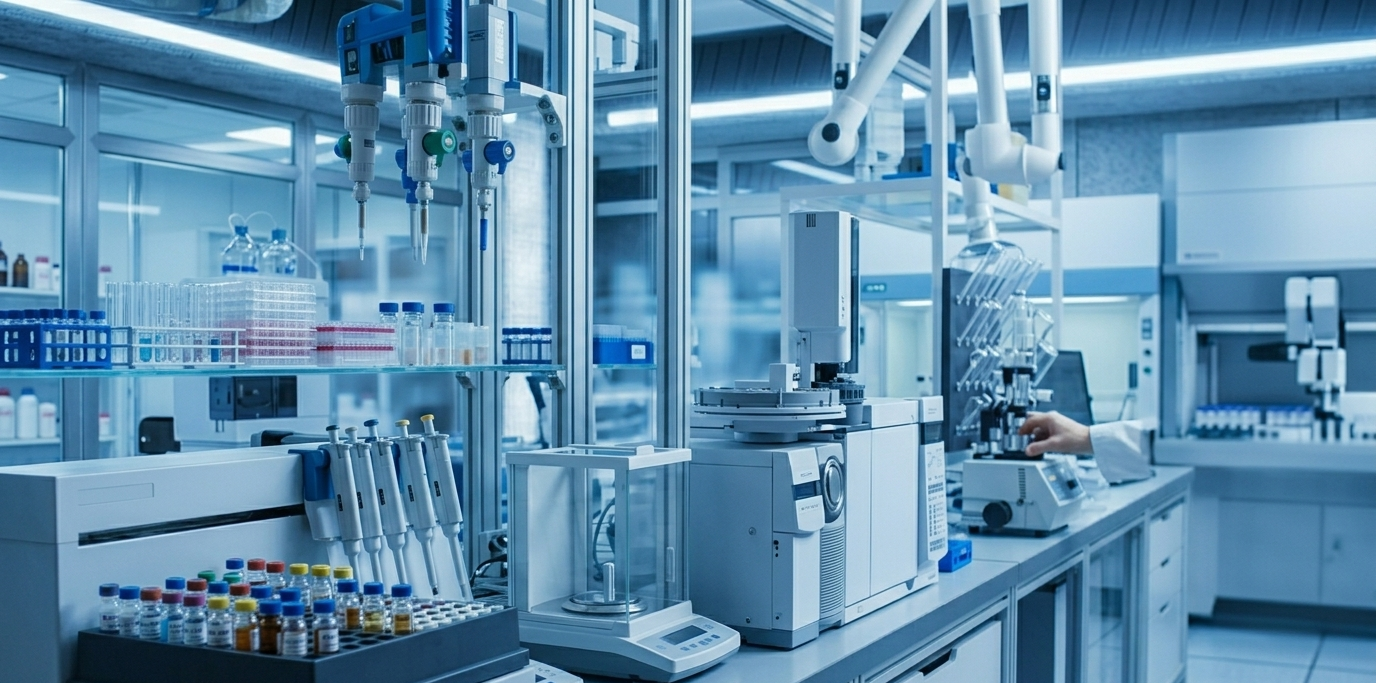
Purity testing: Third-party verification through HPLC or mass spectrometry confirms that the product contains what the label claims. PSPeptides publishes certificates of analysis for all products, a transparency standard rare in the commercial skincare industry.
Packaging: GHK-Cu is sensitive to light and oxidation. Airless pump bottles or opaque containers protect the peptide from degradation. Clear glass dropper bottles, while aesthetically appealing, expose the serum to light with every use.
How Does GHK-Cu Compare to Other Anti-Aging Peptides?
The skincare peptide category includes hundreds of options, but only a handful have substantial clinical evidence. Understanding where GHK-Cu fits in this landscape helps you build an effective routine.
GHK-Cu vs. Matrixyl (palmitoyl pentapeptide-4): Both stimulate collagen production, but through different mechanisms. Matrixyl mimics collagen fragments that signal repair, while GHK-Cu works through copper-mediated enzyme activation and gene expression changes. GHK-Cu has a broader biological profile, affecting over 4,000 genes compared to Matrixyl’s more targeted action. Read a detailed Matrixyl vs GHK-Cu comparison for the full breakdown.
GHK-Cu vs. Argireline (acetyl hexapeptide-3): Argireline works by inhibiting neurotransmitter release at the neuromuscular junction, producing a mild Botox-like effect on expression lines. GHK-Cu addresses aging through structural repair rather than muscle relaxation. These are complementary mechanisms that can be used together.
GHK-Cu vs. AHK-Cu: AHK-Cu is a newer copper peptide variant showing promise for hair growth and skin rejuvenation. While GHK-Cu has decades of published research, AHK-Cu offers potentially complementary benefits. PSPeptides carries both, and their AHK-Cu complete guide covers the emerging research.
For multi-peptide approaches, the GLOW Blend from PSPeptides combines research-backed peptides in a single formulation designed for comprehensive skin rejuvenation.

What Does the Clinical Research Actually Show?
Peer-reviewed evidence for GHK-Cu in skincare spans several decades. Key findings include measurable increases in collagen production, improved wound healing rates, and gene expression changes favoring tissue repair.
A landmark study by Pickart and colleagues published in the published GHK-Cu gene-expression research documented GHK-Cu’s ability to activate genes associated with collagen synthesis while suppressing genes linked to inflammation and tissue breakdown. This dual action distinguishes GHK-Cu from ingredients that only stimulate production without addressing degradation.
Human clinical trials have shown that topical GHK-Cu application for 12 weeks produced improvements in skin density, thickness, and firmness comparable to or exceeding those achieved with tretinoin. Importantly, GHK-Cu achieved these results without the irritation, peeling, and photosensitivity associated with retinoid use.

Research on wound healing has demonstrated that GHK-Cu accelerates tissue repair by 30% or more compared to untreated controls. The peptide recruits immune cells, stimulates blood vessel formation, and enhances the production of decorin, a proteoglycan critical for organized collagen deposition.
The most recent research explores GHK-Cu’s effects on gene expression at the genomic level. Analysis using the Connectivity Map database at the Broad Institute showed GHK-Cu can shift gene expression patterns from a damage-associated profile toward a repair-associated profile. This suggests benefits extending beyond simple collagen stimulation to a comprehensive cellular rejuvenation effect.
What Mistakes Do People Make When Choosing Copper Peptide Serums?
Consumer confusion about copper peptides leads to several common purchasing mistakes that waste money and produce disappointing results. Avoiding these errors saves time and ensures your investment delivers measurable skin improvements.
The most frequent mistake is assuming all products labeled “copper peptide” contain GHK-Cu. Many serums use copper gluconate, copper amino acid chelate, or copper PCA, none of which share GHK-Cu’s research profile or biological mechanisms. These alternative copper compounds may contribute trace minerals to the skin, but they have not been shown to activate the 4,000+ genes that GHK-Cu modulates. Always verify the specific peptide identity before purchasing.
Another common error is judging serum quality by price alone. Some of the most expensive copper peptide serums on the market contain less active peptide than a properly formulated product at a fraction of the cost. Luxury packaging and prestigious branding do not indicate therapeutic concentration. A research-grade serum with documented purity and concentration data delivers superior results regardless of its price point relative to luxury skincare brands.
How Do You Apply Copper Peptide Serum for Best Results?
Application technique and routine placement significantly affect results from copper peptide serums. Following evidence-based protocols maximizes absorption and minimizes potential interactions with other skincare actives.
When to apply: Use copper peptide serums both morning and evening for optimal results. GHK-Cu does not cause photosensitivity, making it safe for daytime use unlike retinoids. However, always follow with broad-spectrum sunscreen during the day.
Application order: Apply copper peptide serum after cleansing and toning, before heavier moisturizers and oils. The peptide needs direct contact with skin to absorb effectively. Applying over occlusives or thick creams reduces penetration.
Avoid combining with: Strong acids (AHAs at concentrations above 10%, BHAs above 2%) and direct vitamin C (L-ascorbic acid) in the same application step. Copper ions can oxidize ascorbic acid, reducing the efficacy of both ingredients. Space these actives to alternate routines if you use both.
Timeline for results: Initial improvements in skin texture and hydration typically appear within 2 to 4 weeks. Collagen remodeling effects including reduced fine lines and improved firmness generally require 8 to 12 weeks of consistent use. Full results continue to develop over 6 months as cumulative collagen deposition increases skin density.
For enhanced delivery, some users apply GHK-Cu serum after microneedling sessions. The microchannels created by dermarolling significantly increase peptide absorption into the dermis. The GHK-Cu spray format from PSPeptides is particularly convenient for post-microneedling application.

Where to Buy Research-Grade Copper Peptide Serum
Choosing a copper peptide serum backed by verified purity and effective concentration is the single most important decision you can make. PSPeptides stands apart in the peptide market with several key advantages.
Third-party tested purity: Every batch undergoes independent HPLC analysis confirming purity above 99%. Certificates of analysis are available for all products, providing transparency that mainstream skincare brands rarely offer.
Research-grade concentrations: PSPeptides formulations align with concentrations used in published studies, not the trace amounts typical of commercial products. This ensures biological activity at levels supported by peer-reviewed evidence.
Multiple format options: Whether you prefer the ready-to-use GHK-Cu serum, the versatile GHK-Cu spray, or the multi-peptide GLOW Blend, PSPeptides offers formats to match your routine and preferences.
Education and support: Detailed guides including the GHK-Cu complete guide and the topical serum guide help you understand exactly what you are using and how to get the most from it.
Understanding best copper peptide serum is essential for researchers navigating this rapidly evolving field in 2026.
Frequently Asked Questions
How long does it take for copper peptide serum to show results?
Most users notice improved skin texture and hydration within 2 to 4 weeks. Significant anti-aging effects including reduced fine lines and improved firmness typically require 8 to 12 weeks of consistent twice-daily application. Collagen remodeling continues for up to 6 months.
Can I use copper peptide serum with retinol?
Yes, but apply them at different times. Use copper peptide serum in the morning and retinol in the evening, or alternate nights. Both stimulate collagen production through different pathways, making them complementary when properly spaced. Avoid applying them simultaneously to prevent potential interactions.
Is copper peptide serum safe for sensitive skin?
GHK-Cu is one of the best-tolerated anti-aging actives available. Unlike retinoids, it does not cause irritation, peeling, or photosensitivity. Research shows GHK-Cu actually reduces inflammation, making it suitable for sensitive and reactive skin types. Start with lower concentrations if you are new to peptide skincare.
What is the difference between GHK-Cu and other copper peptides?
GHK-Cu (glycyl-L-histidyl-L-lysine copper) is the most studied copper peptide with over 100 peer-reviewed publications supporting its use. Other copper-containing ingredients like copper gluconate or copper PCA have minimal research support for anti-aging benefits. Always verify that a product contains actual GHK-Cu rather than alternative copper compounds.
Disclaimer: This article is for informational and educational purposes only. It is not intended as medical advice. Peptides are sold as research chemicals. Consult a qualified healthcare professional before starting any new skincare regimen. Individual results may vary.