BPC-157 (Body Protection Compound 157) is a synthetic pentadecapeptide derived from a protective protein found in gastric juice. The HCL (hydrochloride) salt form is specifically engineered to remain stable in the acidic environment of the stomach, making it the ideal oral-delivery format. Researchers who want to buy BPC-157 tablets benefit from the convenience of a pre-measured, stable dose that requires no mixing, reconstitution, or refrigeration before use. For an in-depth overview of the compound, visit our complete BPC-157 research guide.
Why BPC-157 HCL Tablets Are the Premier Choice for Oral Research
When researchers decide to buy BPC-157 tablets, the HCL formulation offers a critical advantage: acid stability. Standard BPC-157 peptide in lyophilized powder form requires subcutaneous or intramuscular injection after reconstitution with bacteriostatic water. The HCL salt modification dramatically increases the compound’s resistance to gastric acid degradation, allowing oral administration in tablet form.
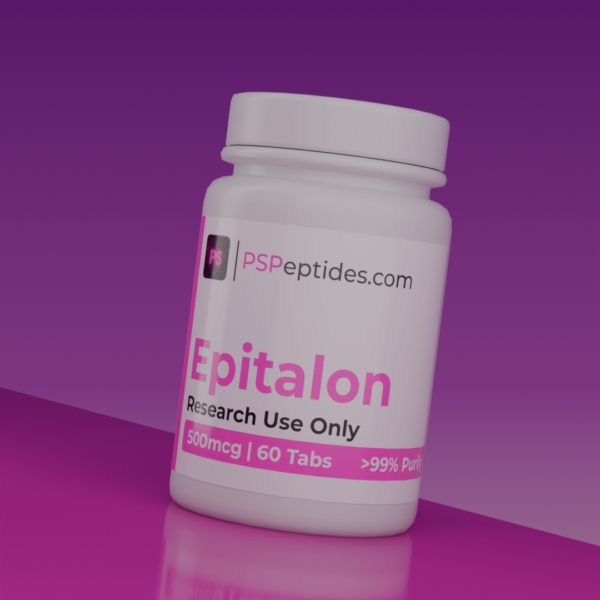
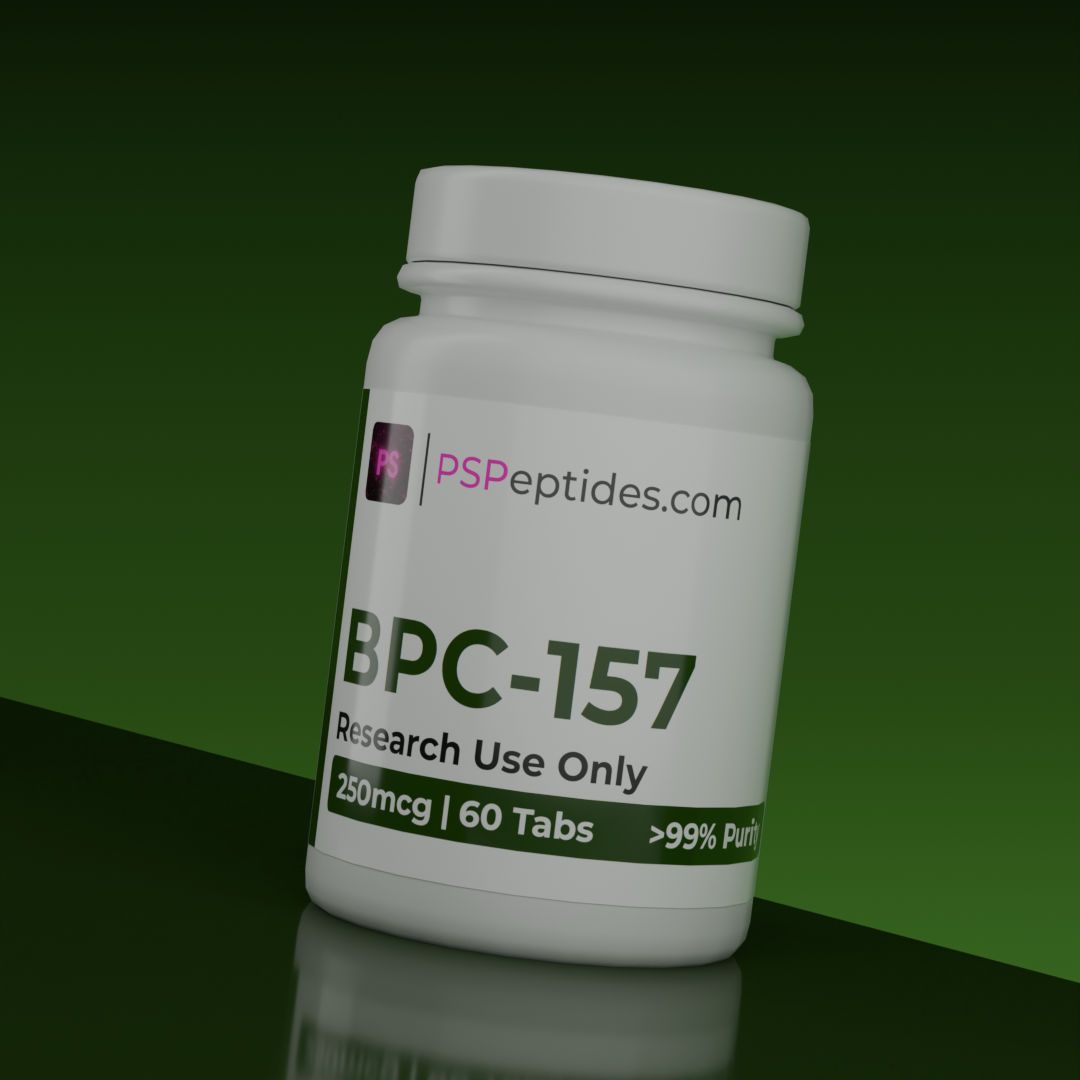
This makes buying BPC-157 tablets a uniquely versatile research option. The 250mcg-per-tablet dosing provides researchers with precise control, and the 60-tablet count per bottle enables extended study protocols without the need for repeated reconstitution procedures. Each PSPeptides batch is manufactured to cGMP-compliant standards in US facilities, ensuring consistent potency and purity across every tablet.
Researchers who buy BPC-157 tablets from PSPeptides also benefit from full batch traceability. Every bottle comes with a Certificate of Analysis (COA) generated by an independent third-party laboratory confirming >99% purity by HPLC and identity by mass spectrometry. This is the transparency standard that serious research programs demand.
Detailed Mechanism of Action
BPC-157 exerts its biological activity through multiple overlapping pathways, which is one reason it continues to attract significant research interest. At the molecular level, BPC-157 has been shown to upregulate growth hormone receptor (GHR) expression in muscle and tendon tissue. This interaction appears to drive the anabolic and repair-promoting effects observed in musculoskeletal studies, independent of systemic growth hormone levels.
A second major pathway involves the nitric oxide (NO) system. BPC-157 research has demonstrated the compound’s ability to modulate nitric oxide synthase (NOS) activity, promoting vasodilation and improving blood flow to injured tissue. This mechanism is thought to underlie the observed acceleration of wound healing and tissue repair in preclinical models. Researchers looking to buy BPC-157 tablets for vascular biology studies will find this pathway particularly relevant.
BPC-157 also interacts with the prostaglandin system and demonstrates cytoprotective effects on gastric mucosal cells — the same tissue from which the parent protein was originally isolated. This explains the enduring interest in BPC-157 for GI research and the logic behind the oral HCL tablet format, which delivers the compound directly to the GI mucosa before systemic absorption.
Additionally, emerging research has highlighted BPC-157’s interactions with dopaminergic and serotonergic neurotransmitter systems. Studies have shown modulation of dopamine activity in the nucleus accumbens and interactions with serotonin receptor subtypes, opening avenues for CNS research applications. For more on mechanism details, see Sikiric et al. (2018) on BPC-157 organ protection in PubMed.

Published Research Highlights
The research literature on BPC-157 spans over two decades and includes more than 100 peer-reviewed studies, the majority conducted in rodent models. Sikiric et al. have authored much of the foundational work, demonstrating consistent cytoprotective, angiogenic, and tissue-repair effects across GI, musculoskeletal, and CNS models. Key findings include accelerated tendon-to-bone healing, reduced gastric ulcer formation, and neuroprotective effects following traumatic brain injury in preclinical studies.
A landmark 1997 study published in the Journal of Physiology described BPC-157’s ability to accelerate wound healing in a full-thickness skin excision model. Subsequent work expanded this to tendon (Achilles and quadriceps), muscle, ligament, and bone defect models with consistent positive outcomes. Researchers who buy BPC-157 tablets for musculoskeletal studies are working with one of the most well-characterized peptides in the repair-focused literature. See Brcic et al. (2018) on tendon healing in PubMed for representative data.
The CNS and psychiatric research space for BPC-157 is emerging and compelling. Studies have documented anxiolytic effects, reversal of opioid-induced side effects, and protective effects in models of dopamine dysregulation. These findings position researchers who buy it as participants in one of the most active and expanding areas of peptide neuroscience. For a broader overview, visit our BPC-157 dosage and research guide.
BPC-157 Tablets vs. Alternatives
| Feature | BPC-157 HCL Tablets (PSPeptides) | BPC-157 Injectable Peptide | Generic BPC-157 Capsule |
|---|
| Form | Oral tablet (HCL) | Lyophilized powder for injection | Capsule (variable) |
| Acid Stability | High (HCL salt form) | Low (requires bypass) | Variable |
| Reconstitution Required | No | Yes — bacteriostatic water needed | No |
| Dose Precision | 250mcg exactly per tablet | Varies by reconstitution volume | Often approximate |
| Purity Verification | >99% HPLC + MS COA | Varies by vendor | Rarely third-party tested |
| Storage | Room temperature stable | Requires freezer (lyophilized) | Room temperature |
| US Manufactured | Yes | Often overseas | Typically overseas |
| GI Research Relevance | Highest — direct mucosal delivery | High via systemic route | Moderate |
Handling & Administration Notes for Researchers
Unlike lyophilized BPC-157 peptide vials, when you buy the compound from PSPeptides, there is no reconstitution required. The tablet format is ready to use as supplied. Each tablet contains exactly 250mcg of BPC-157 HCL, with excipients chosen for stability and consistency. Researchers should handle all compounds with standard laboratory precautions including gloves and appropriate PPE.
For those who also work with injectable peptide formats, our peptide reconstitution guide and peptide dosage calculator guide remain excellent reference resources. For subcutaneous vs. intramuscular administration considerations in parallel injectable studies, see our injection method comparison guide.
Storage & Stability
BPC-157 HCL tablets from PSPeptides are formulated for room temperature stability, making them significantly easier to store and transport than lyophilized peptide vials. Store tablets in a cool, dry location away from direct sunlight and humidity. Avoid temperatures above 77°F (25°C) for extended periods. Do not store in bathrooms or near heat sources. The HCL salt form maintains excellent stability at room temperature for the duration of the labeled shelf life.
For guidance on general peptide storage best practices, visit our complete peptide storage guide. Understanding storage is especially important when maintaining multi-compound research protocols — see our peptide stacking guide for multi-peptide study design considerations.
Certificate of Analysis (COA)
Every batch of BPC-157 tablets sold at PSPeptides comes with a batch-specific Certificate of Analysis from an independent third-party laboratory. The COA confirms identity by mass spectrometry and purity by HPLC at >99%. This means every bottle you receive has been individually tested — not just sampled at the manufacturer level. Researchers who buy this peptide from PSPeptides can trust that what is on the label matches what is in the bottle.
To understand how to read and interpret a peptide COA, visit our guide to reading peptide COA documents. This is an essential skill for any research program evaluating vendor quality.
Why Researchers Choose PSPeptides
- US Manufactured: Every product, including our BPC-157 tablets, is produced in the United States to the highest manufacturing standards.
- Third-Party Tested: Independent HPLC and mass spectrometry on every batch — not every product line, every single batch.
- Fast Shipping: Free UPS 2nd Day Air on orders over $200. Same-day dispatch on orders placed before 2 PM EST.
- Flexible Payments: Credit cards, Afterpay, Klarna, Apple Pay, and Google Pay accepted.
- 7-Day Support: Our team is available 7 days a week via email for research support questions.
- Best-in-Class Purity: >99% purity on all peptides. When you buy it from PSPeptides, you are getting the highest-purity oral BPC-157 available from a US source.
Frequently Asked Questions
Why should I buy BPC-157 Tablets instead of injectable BPC-157?
Researchers who buy this peptide benefit from the oral HCL-stabilized format, which eliminates the need for reconstitution equipment, syringes, and cold storage. The tablet format delivers a precise, consistent 250mcg dose per unit and is especially well-suited for GI and systemic research protocols where oral administration is preferred or required by study design.
What makes PSPeptides BPC-157 tablets different from other vendors?
PSPeptides BPC-157 tablets are US manufactured, third-party tested to >99% purity by independent HPLC and mass spectrometry, and come with a batch-specific COA. Many vendors sourcing overseas cannot offer this combination of domestic production, independent verification, and batch-level traceability. When you buy it here, quality documentation is standard — not an upgrade.
How many tablets are included and what is the dose per tablet?
Each bottle of PSPeptides BPC-157 tablets contains 60 tablets at 250mcg per tablet, for a total of 15,000mcg (15mg) of BPC-157 HCL per bottle. This count provides ample supply for structured research protocols without unnecessary waste.
Are these BPC-157 tablets suitable for GI research?
Yes — the oral HCL tablet format is specifically optimal for gastrointestinal research applications. The HCL salt form of BPC-157 is engineered for acid stability, allowing the peptide to survive gastric transit and interact directly with GI mucosal tissue. This is a key advantage of the tablet format for GI-focused study designs. See our peptides for gut health research guide for more context.
Where can I learn more about BPC-157 research?
PSPeptides maintains an extensive research library covering BPC-157 mechanisms, dosing models, comparisons, and stacking protocols. Start with our complete BPC-157 research guide, explore the BPC-157 dosage guide, and review the BPC-157 vs TB-500 comparison to understand how it fits into broader research stacks.
Related Resources
The Science of Oral Peptide Bioavailability: Why HCL Form Matters
One of the most frequently asked questions by researchers who want to buy the compound is: does the oral form actually work? The answer lies in the chemistry of the HCL salt modification. Standard BPC-157 (acetate or TFA salt) is a relatively fragile peptide in aqueous, acidic environments — the pH of gastric acid sits around 1.5-3.5, which is aggressive enough to degrade many peptide sequences before they reach the small intestine.
BPC-157 HCL changes this dynamic. The hydrochloride salt form stabilizes the peptide’s protonation state, increasing its resistance to acid hydrolysis. This is not a minor formulation tweak — it is the fundamental reason why researchers who want to buy this peptide can do so with confidence in oral delivery. Preclinical data from oral BPC-157 administration models show systemic peptide activity consistent with the compound reaching beyond the GI lumen.
PSPeptides’ tablet formulation uses excipients selected for their compatibility with BPC-157 HCL stability and for promoting consistent dissolution rates. This ensures that when you buy it from PSPeptides, you are receiving a product engineered — not just assembled — for oral research use. The difference between a quality-formulated tablet and a powder-in-capsule is significant when studying orally-delivered peptide bioavailability.
BPC-157 in the Context of Peptide Stacking Research
Researchers who buy the compound frequently incorporate them into multi-compound protocols. BPC-157 is most commonly studied alongside TB-500 (Thymosin Beta-4) in what has become known colloquially as the “Wolverine Stack” — a combination targeting both peptide pathways for comprehensive tissue-repair research. Our detailed guide on the BPC-157 and TB-500 Wolverine Stack covers the rationale and existing research models for this combination.
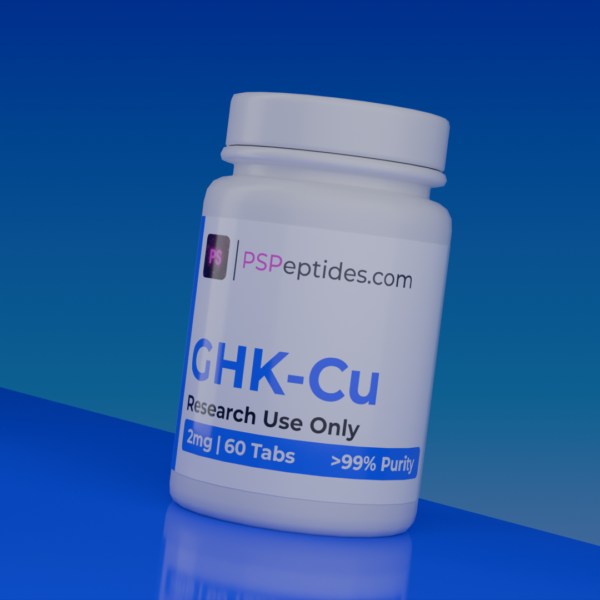
Beyond the TB-500 pairing, researchers also frequently combine BPC-157 with GHK-Cu for skin and connective tissue protocols, and with CJC-1295/Ipamorelin in anabolic and recovery-oriented research designs. The oral tablet format of BPC-157 is particularly convenient in multi-peptide stacking designs, as it eliminates one reconstitution step from the protocol. For a broader view of stacking research design, visit our peptide stacking guide.
Understanding the half-life and dosing intervals of each compound in a stack is essential. BPC-157 has an estimated half-life in the range of 4-6 hours, which informs how researchers structure their administration timing. Our peptide half-life chart provides a comprehensive reference for all commonly studied peptides, making it an invaluable resource for anyone who regularly purchases research peptides including those who buy this peptide.
Quality Assurance: What to Look for When You Buy BPC-157 Tablets
Not all BPC-157 tablet products on the market are equal. When evaluating vendors, researchers should look for several non-negotiable quality markers before deciding where to buy the compound. First and most importantly: third-party testing. A vendor that tests in-house — or doesn’t publish test results at all — is not providing the independent verification that research-grade work requires.
Second, look for US manufacturing. Domestic production facilities are subject to significantly more stringent quality and contamination controls than overseas manufacturers. PSPeptides exclusively sources from US-based production, and this is not a marketing claim — it is a verifiable fact reflected in our COA documentation and manufacturing traceability.
Third, verify the specific salt form. A product labeled simply “BPC-157 oral” without specifying the HCL form may be using acetate or TFA salts, which have inferior oral stability profiles. When you buy this peptide from PSPeptides, the HCL specification is explicitly listed in the product details and confirmed on every COA. For a comprehensive guide on evaluating peptide suppliers, see our article on how to choose a research peptide supplier.
Finally, check for batch-specific documentation. Some vendors publish a single COA and apply it to all products in a category. PSPeptides provides batch-specific COAs, meaning the document you receive corresponds directly to the production run that filled your bottle. This is the gold standard of research peptide quality documentation, and it is the standard we hold ourselves to on every order of BPC-157 tablets and every other product in our catalog.
Complete BPC-157 Research Library
PSPeptides maintains one of the most comprehensive peptide research libraries available online. Researchers who regularly buy it and other compounds from our catalog have access to in-depth guides covering mechanisms, dosing considerations, comparisons, storage, and more. Below are the most relevant resources for BPC-157 researchers:
Researchers who regularly buy the compound from a trusted US source gain the confidence of consistent, verified quality across every study. Whether you buy this peptide for GI, musculoskeletal, or CNS research, PSPeptides delivers the purity, documentation, and support your protocol demands. Order today and see why PSPeptides is the preferred destination to buy it in the United States.
All PSPeptides products are sold exclusively for laboratory and research use. Not intended for human consumption.



 Made & Shipped