
New to peptides? Start here.
Everything a first-time researcher needs in one read: what peptides are, how to tell a real supplier from a reseller, how to read a lab report, what to order the first time, how to mix a vial, and how to store it. Twelve minutes, no jargon.
- 99%+ purity, every lot
- 5 third-party tests per batch
- US made, ships same day
- Free shipping over $200
Peptides 101
A peptide is a short chain of amino acids — the same building blocks that make up proteins, just far fewer of them. Insulin is a peptide. So is oxytocin. Research peptides like BPC-157 or ipamorelin are either copies of signals the body already makes or small variations on them, which is why they are studied for healing, metabolism, growth-hormone release and skin.
They arrive as a lyophilized (freeze-dried) powder in a small glass vial. The powder is stable; it only becomes fragile once water is added. That is the single most useful thing to understand before you order, because nearly every question a beginner has — how much water, which syringe, how long it lasts — follows from it.
How to tell a real supplier from a reseller
Most peptide websites are storefronts for the same handful of overseas sources. The product photo tells you nothing. These four checks do.
Batch-specific lab results
One certificate per lot, with the lot number on it, matching the number on your vial. A single “sample COA” reused for every batch is marketing, not testing.
More than one test
Purity (HPLC) and identity (mass spec) are the minimum. Contamination tests — heavy metals, endotoxin, sterility and, now, fentanyl screening — are what separate a lab from a label.
Exact purity figures
“99.47%” is a measurement. “99%+” on its own, with no document behind it, is a slogan. Look for the number on the certificate, then look for the certificate.
Owned inventory, real support
Stock on hand ships the same day; drop-shipped stock takes two weeks and a tracking number from another country. Support that answers within hours is the other tell.
Every PSPeptides lot is tested in the US for all five (HPLC purity, heavy metals, endotoxin, sterility, fentanyl) and the PDFs are on each product page and on the certifications page.
How to read a lab report
A certificate of analysis (COA) looks intimidating and takes thirty seconds once you know where to look. Five tests matter.
| Test | What it proves | What “pass” looks like |
|---|---|---|
| HPLC purity | How much of the peptide content is the target molecule rather than related impurities. | A single dominant peak; 99%+ on a quality lot. |
| Mass spectrometry | That the molecule is the one on the label — the measured mass matches the expected mass. | Observed mass within a fraction of a dalton of theoretical. |
| Heavy metals (ICP-MS) | No lead, mercury, arsenic or cadmium carried in from synthesis. | “Not detected” or below limit for each metal. |
| Endotoxin (LAL) | No bacterial endotoxin, which causes fever responses in research animals. | Below the stated EU/mg limit. |
| Sterility & fentanyl | No microbial growth; no opioid contamination (a real problem in grey-market product). | “No growth”; fentanyl “not detected”. |
Deeper reading: how to read a COA, reading a mass spec, why fentanyl testing matters.
What you need for a first order
Four things. Everyone forgets the second one.
- The peptide. A 5 mg or 10 mg vial is the standard first size; it is enough for a 4–6 week protocol of most compounds.
- Bacteriostatic water. Sterile water with 0.9% benzyl alcohol. It is what you add to the powder, and the preservative is what lets the mixed vial be used for about 28 days. One 30 mL bottle covers several vials.
- Insulin syringes. 1 mL, U-100, 29–31 gauge. You use one to add the water and a fresh one for each draw.
- Alcohol prep pads. For the vial stopper, every time.
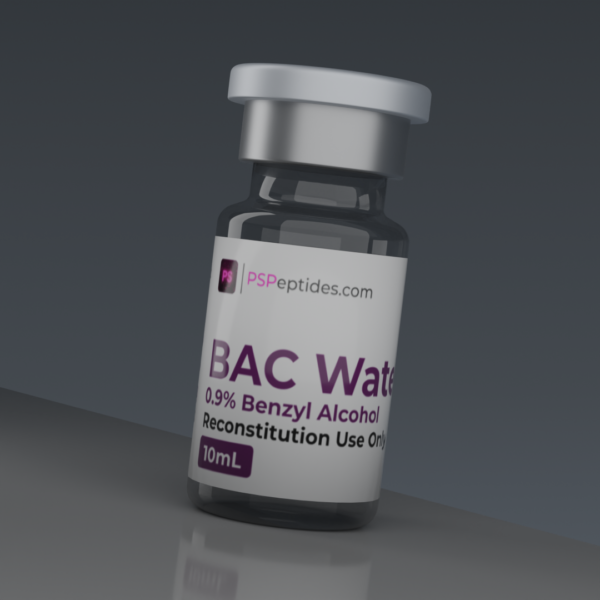 Bacteriostatic Water (BAC) | Medical Grade
The one everyone forgets. Price range: $14.99 through $189.99
View product →
Bacteriostatic Water (BAC) | Medical Grade
The one everyone forgets. Price range: $14.99 through $189.99
View product →
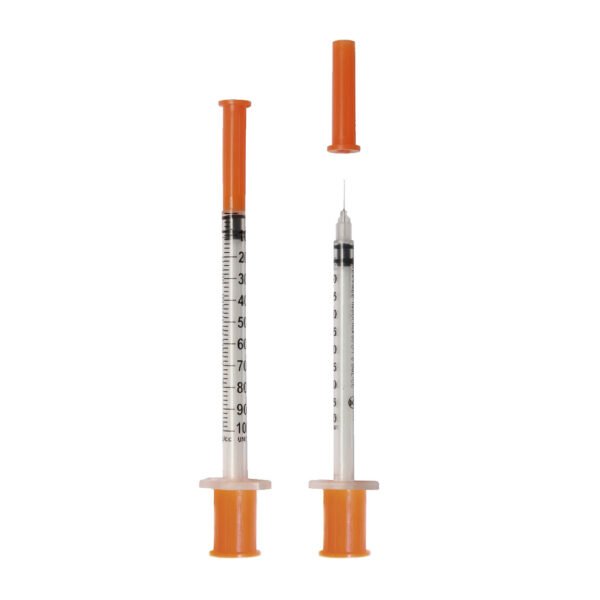 EasyTouch Insulin Syringes 1mL 31G
1 mL U-100, fine gauge. Price range: $9.99 through $19.99
View product →
EasyTouch Insulin Syringes 1mL 31G
1 mL U-100, fine gauge. Price range: $9.99 through $19.99
View product →
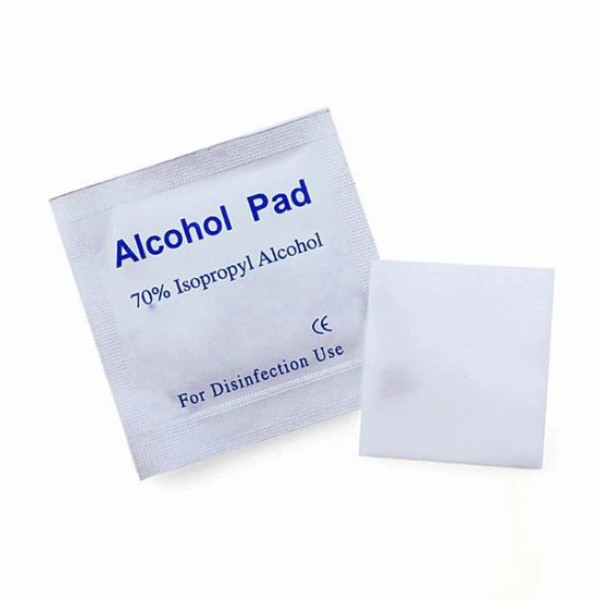 Alcohol Prep Pads - Sterile 70% Isopropyl
One per stopper, every time. Price range: $4.99 through $8.99
View product →
Alcohol Prep Pads - Sterile 70% Isopropyl
One per stopper, every time. Price range: $4.99 through $8.99
View product →
The cart flags a missing bacteriostatic water when you check out with a powder vial. Full list: peptide supplies checklist.
Mixing a vial (reconstitution) in eight steps
- Clean, flat surface. Everything within reach before you start.
- Let the vial warm up. 15–20 minutes out of the fridge or freezer. Cold powder dissolves badly.
- Decide the water volume. Use the table on the product page or the calculator. Most 5–10 mg vials take 2–2.5 mL.
- Swab both stoppers. Peptide vial and water vial. Let them dry about ten seconds.
- Draw the water. Pull the volume into the syringe and tap out air bubbles.
- Add it slowly, down the inside wall. Never squirt it straight onto the powder — the force damages the peptide.
- Swirl, don’t shake. Slow circles for 30–60 seconds until it is clear. Shaking foams it and breaks it.
- Look at it. Clear, no particles, no foam. Label the vial with the date and concentration. Into the fridge.
Reading the syringe
A U-100 insulin syringe is marked in units, and 100 units equals 1 mL. So 10 units is 0.1 mL, 50 units is 0.5 mL. Mixing up units and millilitres is the classic beginner error, and it is a ten-fold error. Here is what common doses look like at the two most common concentrations.
| Dose | At 2 mg/mL (5 mg + 2.5 mL) | At 5 mg/mL (10 mg + 2 mL) |
|---|---|---|
| 100 mcg | 5 units | 2 units |
| 250 mcg | 12.5 units | 5 units |
| 500 mcg | 25 units | 10 units |
| 1 mg | 50 units | 20 units |
| 2 mg | 100 units (1 mL) | 40 units |
Rule of thumb: pick a water volume that puts your usual dose between 5 and 50 units. Too few units and the markings are hard to read; too many and you are injecting more liquid than you need to.
Storage and handling
Unmixed powder
Freezer at −20 °C for long-term (up to two years), or the fridge at 2–8 °C for a few months. A few days at room temperature in transit does no harm. Keep it in the box, away from light.
Mixed vial
Fridge, 2–8 °C, used within about 28 days (bacteriostatic water). Never freeze a mixed vial — ice crystals shred the peptide. Keep the stopper sealed and swab it before every draw.
Sprays and tablets
Nasal sprays go in the fridge once opened and last about 60 days. Tablets stay sealed at room temperature, away from moisture.
Signs it has gone off
Cloudiness, particles, a colour change (GHK-Cu is meant to be blue; anything else should be clear), or a vial that has been warm for days. When in doubt, replace it.
More: peptide storage guide and how to tell a peptide has degraded.
Popular starting compounds
The compounds most first-time researchers begin with, because the protocols are simple, the literature is deep and the dosing forgives a learning curve. Every product page has a research dosage guide with a reconstitution table.
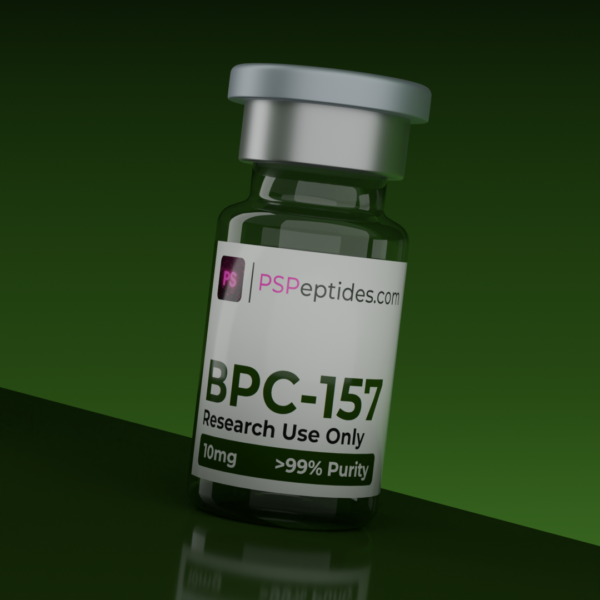 BPC-157 (1 Vial)
Tissue repair. The most-studied starter. Price range: $49.99 through $89.99
View product →
BPC-157 (1 Vial)
Tissue repair. The most-studied starter. Price range: $49.99 through $89.99
View product →
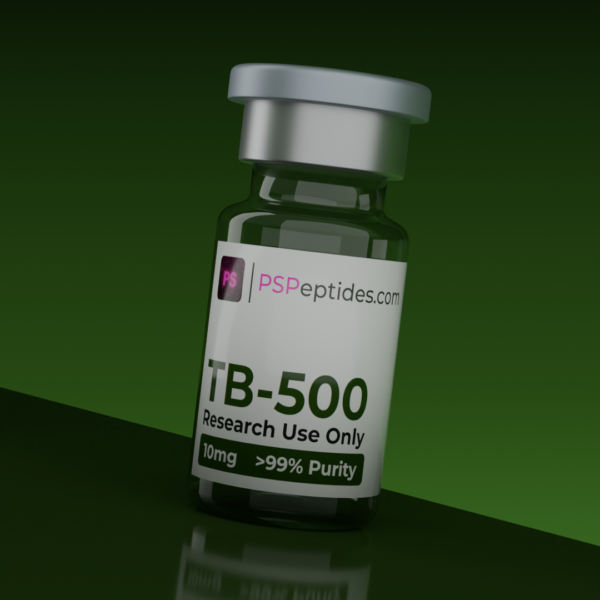 TB-500 (1 Vial)
Repair and recovery; twice-weekly dosing. Price range: $44.99 through $79.99
View product →
TB-500 (1 Vial)
Repair and recovery; twice-weekly dosing. Price range: $44.99 through $79.99
View product →
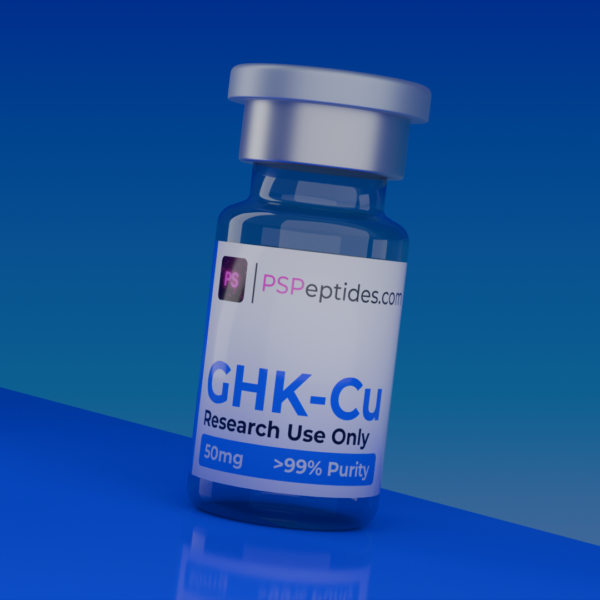 GHK-CU (1 Vial)
Skin, hair and healing research. Price range: $34.99 through $39.99
View product →
GHK-CU (1 Vial)
Skin, hair and healing research. Price range: $34.99 through $39.99
View product →
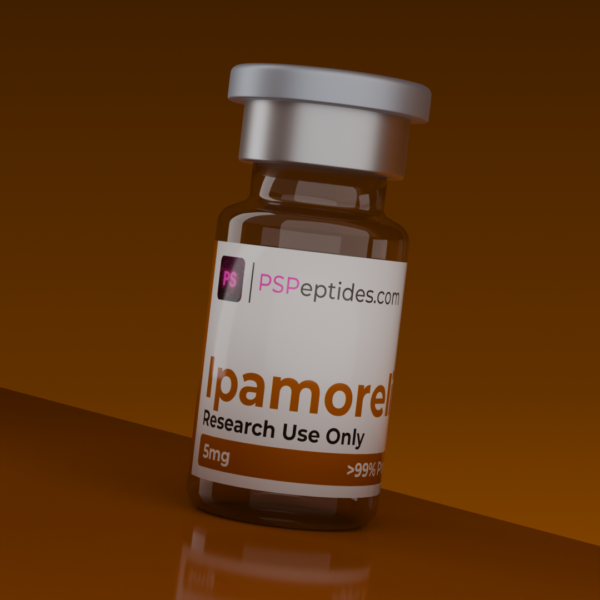 Ipamorelin (1 Vial)
Gentle growth-hormone secretagogue. Price range: $39.99 through $49.99
View product →
Ipamorelin (1 Vial)
Gentle growth-hormone secretagogue. Price range: $39.99 through $49.99
View product →
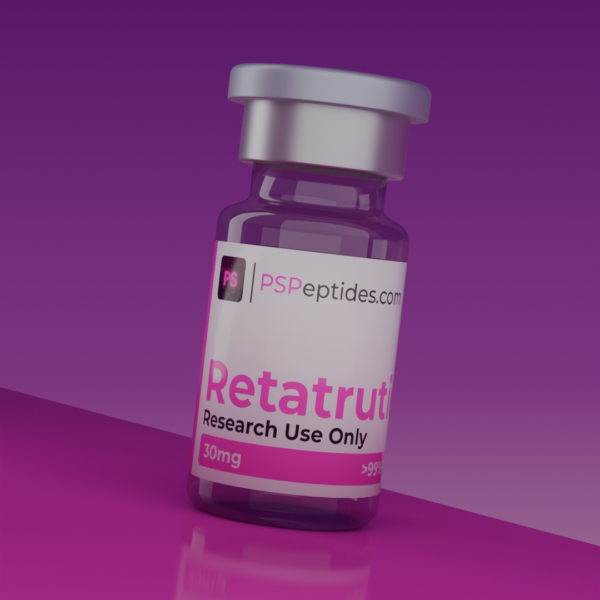 Retatrutide (1 Vial)
The triple-agonist for metabolic research. Price range: $39.99 through $229.99
View product →
Retatrutide (1 Vial)
The triple-agonist for metabolic research. Price range: $39.99 through $229.99
View product →
Questions every beginner asks
No. Research peptides are sold as laboratory reagents to researchers aged 21 and over, not as medicines. They are not approved drugs, supplements or cosmetics, and nothing on this site is medical advice.
It is the HPLC result on the certificate of analysis: the share of the vial's peptide content that is the target molecule rather than a related impurity. Every PSPeptides lot is tested per batch and the exact figure is on the COA, not a rounded claim.
Yes, for anything that arrives as a powder. Bacteriostatic water contains 0.9% benzyl alcohol, which is what lets a mixed vial be used over about 28 days. Plain sterile water has no preservative and is single-use.
Enough to make the syringe maths easy. Most 5–10 mg vials take 2–2.5 mL; large blends take 3.5–5 mL. Each product page has a reconstitution table with the units for common doses, and the calculator handles any other volume.
About 28 days in the fridge (2–8 °C) with bacteriostatic water, protected from light. Unmixed powder keeps for months refrigerated and up to two years frozen at −20 °C.
A U-100 insulin syringe is marked in units, and 100 units is 1 mL. Confusing the two is the most common error in the hobby, and it is a ten-fold error. Work in units from a known concentration, and check the table on the product page.
At minimum a batch-specific HPLC purity test and mass-spectrometry identity. PSPeptides also publishes heavy-metals (ICP-MS), endotoxin (LAL), sterility and fentanyl screening for each lot. If a supplier shows one generic PDF for every batch, that is not a lab report.
Keep reading
Ready for a first order?
Every vial ships same day from the US with its lot-specific lab reports, and support replies within 2–6 hours if you get stuck on any of the above.
For laboratory and research use only. Products are not drugs, foods, cosmetics or dietary supplements and are not for human or animal consumption. Nothing on this page is medical advice or an instruction for use. These statements have not been evaluated by the FDA. Sold only to researchers aged 21 and over.