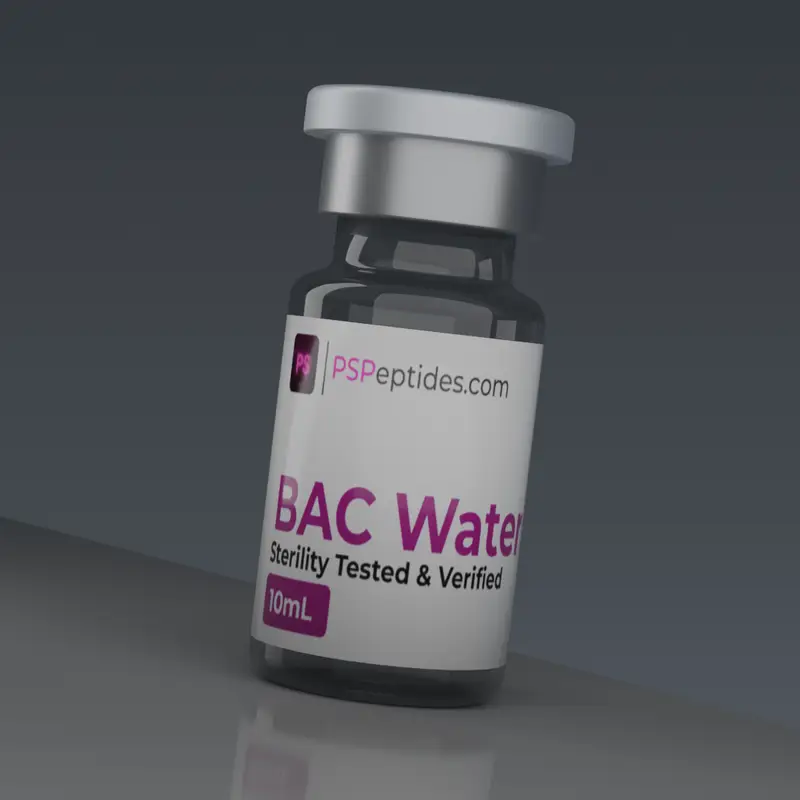
Bacteriostatic (BAC) Water | Medical Grade 10mL
Price range: $14.99 through $189.99
Bacteriostatic Water (10mL) — Medical grade with 0.9% benzyl alcohol for safe multi-dose peptide reconstitution. USP-quality, COA included.




 Made & Shipped
For laboratory and research use only. This product is not a drug, food, or cosmetic and is not for human or animal consumption. It is not intended to diagnose, treat, cure, or prevent any disease. These statements have not been evaluated by the FDA. Sold solely to qualified researchers and licensed laboratories. Certificate of Analysis available on request.
Description
Bacteriostatic water — Medical grade 10mL this solution with 0.9% benzyl alcohol preservative for safe, multi-dose peptide reconstitution. Sterile, USP-quality bacteriostatic water, and third-party tested with batch-specific COA. The trusted bacteriostatic water choice for laboratory research and peptide solubilization protocols across the United States.
What Is Bacteriostatic Water?
the diluent is sterile water for injection that contains 0.9% benzyl alcohol as a bacteriostatic preservative. The benzyl alcohol inhibits microbial growth, allowing the same vial of it to be punctured and used multiple times across a 28-day window without compromising sterility. This is what makes bacteriostatic water the long-established standard diluent for reconstituting lyophilized research peptides such as BPC-157, retatrutide, GHK-Cu, and tirzepatide. Researchers can read our complete guide to bacteriostatic water for a deeper background on its composition, regulatory background, and laboratory use cases.
The 10mL format is a popular sweet spot for individual research workflows. It carries enough volume to reconstitute several peptide vials at standard dosing concentrations while still being small enough to fully consume well inside the 28-day preservative window. Larger formats are available, but the 10mL size minimizes waste and improves protocol consistency for most labs.
Key Research Applications
- Peptide Reconstitution: Dissolves lyophilized peptide powder into a stable injectable solution for research dosing studies and pharmacokinetic work.
- Multi-Dose Vials: The 0.9% benzyl alcohol preservative permits repeated withdrawals across multiple research sessions without re-sterilization.
- Compounding Diluent: Serves as a sterile aqueous carrier for research compounds that require gentle solubilization without organic solvents.
- Storage Stability: Maintains reconstituted peptide integrity longer than non-preserved sterile water alternatives, which is critical for multi-week studies.
- Calibration Diluent: Provides a consistent, contamination-free aqueous base for assay calibration curves and reference standard preparation.
Product Specifications
| Amount | 10mL per vial |
| Purity | USP grade, third-party HPLC tested |
| Form | Sterile liquid with 0.9% benzyl alcohol |
| Storage | Room temperature (20–25°C), away from direct light |
| Testing | Batch-specific COA included |
| Origin | US manufactured |
Detailed Mechanism of Action
Bacteriostatic water differs from plain sterile water through the inclusion of benzyl alcohol at a 0.9% concentration. Benzyl alcohol is a small aromatic alcohol that disrupts bacterial cell membrane integrity and interferes with cytoplasmic protein function. While not bactericidal in the strict sense, the agent slows or halts microbial replication long enough to keep a punctured vial usable across multiple withdrawals. This is the chemical property that distinguishes the product from single-use water for injection.
The preservative system works against a broad spectrum of common contaminants encountered in laboratory environments, including Staphylococcus, Streptococcus, Pseudomonas, and Escherichia species. The 0.9% concentration is specifically calibrated to inhibit growth without imposing osmotic stress on dissolved peptide molecules. Higher alcohol concentrations risk denaturing sensitive peptide bonds and disrupting tertiary structure, which is why this exact ratio has become the laboratory standard for peptide reconstitution work over several decades.
When this solution is introduced to a lyophilized peptide cake, water molecules diffuse into the porous structure and rehydrate the peptide backbone. The benzyl alcohol component remains in solution and continues to provide antimicrobial protection through the entire 28-day in-use window. For most research peptides, the preservative shelf life matches or exceeds the chemical stability of the reconstituted compound itself, which means the preservative window rarely becomes the limiting factor in protocol planning.
Researchers performing comparative dilution work should note that the diluent is not interchangeable with normal saline or sterile water for injection in every protocol. The osmolarity, pH, and preservative content all influence final solution behavior, particularly when handling peptides with charged side chains, disulfide bridges, or post-translational modifications. Always verify diluent compatibility against the peptide manufacturer’s COA before committing to a long study.
The molecular weight of benzyl alcohol (108.14 g/mol) is small enough that the preservative does not interfere with most analytical assays, including HPLC, mass spectrometry, and standard immunoassay readouts. This is one reason why the 0.9% formulation has remained the diluent of record for analytical chemistry as well as in-vivo research.
It is also worth noting that the manufacturing process includes a final sterile filtration step followed by terminal sterilization, ensuring that each finished vial meets USP <71> sterility criteria. This is a non-negotiable quality bar for any preserved diluent intended for serious research work.
Published Research
Benzyl alcohol as a pharmaceutical preservative has been studied extensively since the 1940s. Research published in the Journal of Pharmaceutical Sciences confirms that 0.9% benzyl alcohol provides effective bacteriostatic protection against the USP <51> antimicrobial effectiveness test organisms while remaining compatible with the majority of injectable peptide and protein formulations. A peer-reviewed assessment available through PubMed details the stability of common research peptides reconstituted with preserved diluents across temperature ranges from 2°C to 25°C.
Additional work on peptide solubilization reported in research databases shows that the use of preserved diluents with peptide compounds such as BPC-157, GHK-Cu, and CJC-1295 yields more consistent assay results than plain sterile water due to reduced microbial interference over multi-day study windows. For a complete review of how reconstitution diluents affect peptide stability, see published findings on the National Center for Biotechnology Information database, which catalogs decades of pharmaceutical compatibility research.
More recent publications have examined the long-term stability profile of reconstituted growth-hormone-releasing peptides (GHRPs), incretin mimetics like tirzepatide and retatrutide, and tissue-repair peptides like BPC-157 when paired with preserved diluents as the choice. Across all categories, preserved diluents consistently outperform unpreserved alternatives when reconstituted vials must be sampled over a span of two or more weeks. The reduction in microbial confounders allows for cleaner dose-response curves and tighter inter-batch reproducibility.
Reviewing the historical literature also reveals that the introduction of it for multi-dose injectable preparations dramatically reduced contamination incidents in hospital and research settings in the mid-20th century. The bacteriostatic water formulation has remained essentially unchanged because the benzyl alcohol concentration represents a well-validated equilibrium between antimicrobial efficacy and compatibility with biological molecules.
Researchers who want to dig deeper into peptide handling alongside their orders can also explore the step-by-step reconstitution guide, the peptide storage guide, and the peptide degradation tutorial for laboratory best practices.
Bacteriostatic Water vs Alternatives
| Feature | This Product | Sterile Water for Injection | Normal Saline |
|---|---|---|---|
| Preservative | 0.9% benzyl alcohol | None | None |
| Multi-Dose Use | Yes, up to 28 days | Single-use only | Single-use only |
| pH | ~5.0 (slightly acidic) | ~5.5 | ~5.5 |
| Osmolarity | Hypotonic | Hypotonic | Isotonic (0.9% NaCl) |
| Peptide Compatibility | Excellent | Excellent (short-term) | Variable |
| Cost Efficiency | High (reusable) | Low (single dose) | Low (single dose) |
| Standard For Peptides | Yes | No | No |
| Shelf Life Unopened | 24+ months | 24+ months | 24+ months |
The comparison above highlights why this formulation has become the workhorse diluent for laboratory peptide work. While saline can be appropriate for isotonic delivery in some contexts, the preservative advantage makes it the only reasonable choice for any protocol that needs to draw from the same vial across more than a single day.
Reconstitution & Handling Protocol
To reconstitute a research peptide with bacteriostatic water, swab the rubber stopper of both the peptide vial and the bacteriostatic water vial with isopropyl alcohol. Draw the desired volume of bacteriostatic water using a sterile syringe — common volumes range from 1mL to 3mL depending on the peptide concentration target. Slowly inject the diluent along the inside wall of the peptide vial to avoid foaming or shearing the peptide structure.
After adding the diluent, gently swirl the vial until the powder fully dissolves. Do not shake aggressively, as agitation can degrade fragile peptide bonds and introduce micro-bubbles that interfere with accurate volumetric measurement. Once reconstituted, store the vial under refrigeration at 2–8°C and use within the peptide’s documented stability window. For exact volume math, our peptide dosage calculator guide walks through reconstitution math step-by-step.
Avoid drawing diluent into a syringe that has already touched another vial without sterilization. Cross-contamination defeats the purpose of the preservative and introduces risk into the research protocol. Use a fresh, sterile syringe for each transfer and dispose of needles in a sharps container immediately after use.
For subcutaneous versus intramuscular research dosing considerations, see our breakdown on subcutaneous and intramuscular peptide injection, which covers needle gauge and depth recommendations relevant to reconstituted peptide delivery.
Storage & Stability
Unopened vials remain stable at controlled room temperature (20–25°C) until the printed expiration date. Once a vial has been punctured, it should be discarded after 28 days even if liquid remains, since preservative effectiveness gradually decreases with repeated punctures and air exposure. Store the product away from direct sunlight and avoid temperature extremes that could compromise the integrity of the rubber stopper.
For long-term research projects, ordering multiple smaller vials rather than a single large container often produces better results because each vial enjoys a full 28-day preservation window from first puncture. This is a key planning detail for multi-month protocols where reagent freshness influences data quality.
Always inspect each vial visually before use. Reject any vial that shows particulate matter, discoloration, cloudiness, or a damaged seal. The liquid should be clear and colorless when held against a white background under standard laboratory lighting.
Certificate of Analysis
Every batch of the product ships with a batch-specific Certificate of Analysis confirming sterility, benzyl alcohol concentration, and absence of pyrogens. The COA is generated by an independent third-party laboratory and documents identity, purity, microbial limits, and endotoxin levels. Researchers unfamiliar with COA documentation can review our guide to reading a peptide COA to understand each test parameter and what acceptance criteria mean for downstream protocols.
Saved COA records are a critical compliance artifact for any lab that runs documented studies. Save the PDF that accompanies each shipment alongside your peptide records for at least the duration of the corresponding research project.
Why Researchers Choose PSPeptides
- US Manufactured: Bacteriostatic water sourced and packaged in regulated US facilities under strict quality protocols.
- Third-Party Tested: Independent HPLC and microbial limits testing on every batch with full COA disclosure.
- Fast Shipping: Free UPS 2nd Day Air over $200, with same-day dispatch on orders placed before 2 PM EST.
- Flexible Payments: Major credit cards, Afterpay, Klarna, Apple Pay, and Google Pay all accepted.
- 7-Day Support: Real research-product specialists reachable by email every day of the week.

Quality Assurance and Manufacturing Standards
The 10mL vial sold here is produced in a US facility that operates under cGMP-aligned quality controls. Each lot moves through identity confirmation, sterility validation, endotoxin measurement, and benzyl alcohol concentration verification before release. Independent laboratories handle the testing so that the COA represents an unbiased third-party readout rather than an internal pass/fail check.
Quality oversight begins at the raw material stage. The water used in the formulation is purified to USP Purified Water specifications, then further processed through reverse osmosis, deionization, and final filtration prior to the addition of the preservative. The benzyl alcohol input is sourced from pharmaceutical-grade suppliers that themselves provide identity and purity documentation for each delivery.
Final fill operations take place in a Class 100 clean environment, with each vial sealed under inert atmosphere to minimize oxidative degradation of the preservative. After capping, units undergo terminal sterilization and then visual inspection for particulates, fill volume, and seal integrity. Only vials that pass every checkpoint move forward to packaging.
Labeling carries the lot number, expiration date, and the storage temperature window. The lot number ties directly to the corresponding COA, which is available on request for any researcher who needs to file documentation against a study protocol or institutional review process.
Common Reconstitution Volumes for Popular Research Peptides
Reconstitution math varies by peptide and by the concentration target the researcher chooses. As a quick reference, a 5mg vial of BPC-157 reconstituted with 2mL of diluent yields 2.5mg/mL, which is a common working concentration for tissue-repair research protocols. A 10mg vial of retatrutide reconstituted with 2mL yields 5mg/mL, often used in pharmacokinetic studies where small-volume injections are preferred.
For GHK-Cu, a 50mg vial typically pairs with 2mL to 3mL of diluent depending on whether researchers want a 16.67mg/mL or 25mg/mL stock. CJC-1295 with DAC is commonly handled at 2mg/mL, achieved by adding 1mL of diluent to a 2mg vial. Tirzepatide and semaglutide research workflows often dial in 5mg/mL or 10mg/mL stocks depending on the duration of the study.
Always document the reconstitution ratio on the vial label using a fine-point permanent marker. Note the date of reconstitution, the volume of diluent added, and the resulting concentration. This single habit prevents the most common cause of dosing errors in research peptide work — miscommunicated concentration on shared lab inventory.
Regulatory and Compliance Considerations
In the United States, multi-dose preserved diluents intended for laboratory research must comply with USP standards for sterility, endotoxin levels, and labeling. The 0.9% benzyl alcohol formulation specifically appears in USP monographs as the validated preservative concentration for multi-dose injectable preparations. Compliance with these standards is what allows researchers to trust the consistency of their reagent supply.
Customers in regulated research environments — academic institutions, contract research organizations, or industrial R&D groups — should retain the COA and shipping records for each lot they receive. These documents form the audit trail that institutional review boards and quality auditors expect to see when they evaluate a study protocol.
The product is sold strictly for laboratory and research applications. It is not intended for human or veterinary use, and the labeling reflects that scope. Researchers are responsible for ensuring that all downstream uses fall within their institution’s approved protocols and applicable regulatory framework.
Compatibility With Reconstitution Pens and Auto-Injectors
The 10mL fill volume works equally well with standard 1mL or 3mL syringes and with cartridge-style reconstitution devices. When using a pen-style cartridge, transfer the desired volume of diluent into the cartridge through the rubber septum using a sterile transfer needle. Avoid introducing air into the cartridge during the transfer to maintain dose accuracy across the cartridge lifespan.
For more information on injection device selection, see the related guide to the peptide reconstitution process and our broader guide to research peptides, which covers device-specific handling tips.
Frequently Asked Questions
How long is bacteriostatic water good for after opening?
A punctured vial of this solution remains usable for up to 28 days at controlled room temperature when handled with sterile technique. After 28 days, discard any remaining product and open a fresh vial to maintain protocol integrity and prevent microbial confounders in your data.
Can bacteriostatic water be used to reconstitute any peptide?
the diluent is compatible with the vast majority of research peptides, including BPC-157, retatrutide, GHK-Cu, tirzepatide, and CJC-1295. A small subset of peptides specify plain sterile water — always confirm by checking the COA or product sheet for your specific compound before reconstituting.
What is the difference between bacteriostatic water and sterile water?
Sterile water for injection contains no preservative and is single-use only, while bacteriostatic water contains 0.9% benzyl alcohol that inhibits microbial growth across multiple punctures. This makes bacteriostatic water the standard diluent for multi-dose peptide research workflows.
Is the bacteriostatic water from PSPeptides medical grade?
Yes — every 10mL vial of bacteriostatic water sold here is medical grade, USP-quality, and ships with a batch-specific Certificate of Analysis from a third-party laboratory documenting sterility and preservative concentration to laboratory acceptance criteria.
Can bacteriostatic water be refrigerated?
Refrigeration is permitted but unnecessary while the vial is unopened. Once reconstituted with a peptide, refrigerated storage at 2–8°C is preferred for most research compounds. The 28-day in-use window applies regardless of whether the bacteriostatic water vial is stored at room temperature or under refrigeration after first puncture.
Can the same bacteriostatic water vial be used for several peptides?
Yes — provided that a fresh, sterile syringe is used for each draw. The whole point of the preservative system in it is to enable safe repeated puncturing for multiple reconstitution sessions across different peptide vials within the 28-day window.
Related Resources
- What Is Bacteriostatic Water — Complete Guide
- How to Reconstitute Research Peptides
- Peptide Storage Guide
- How to Read a Peptide COA
- Peptide Dosage Calculator Guide
- Complete Guide to Research Peptides
- Peptide Half-Life Chart
- How to Tell If a Peptide Has Degraded
All PSPeptides products are sold exclusively for laboratory and research use. Not intended for human consumption.
Additional information
| Weight | 0.03 lbs |
|---|---|
| Dimensions | 2 × 2 × 2 in |
| ML | 1 Vial, Case of 10 Vials, Case of 25 Vials |
Related products
-
 BAC Water & Supplies
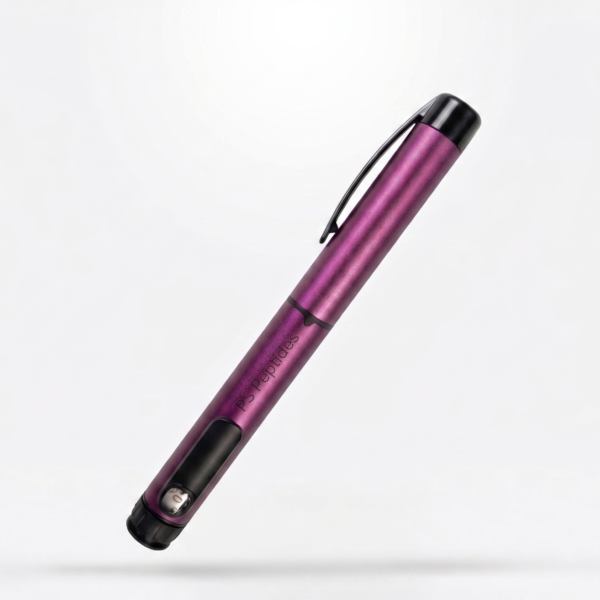
The PSPen™️
Price range: $89.99 through $105.99 Select options This product has multiple variants. The options may be chosen on the product page -
BAC Water & Supplies
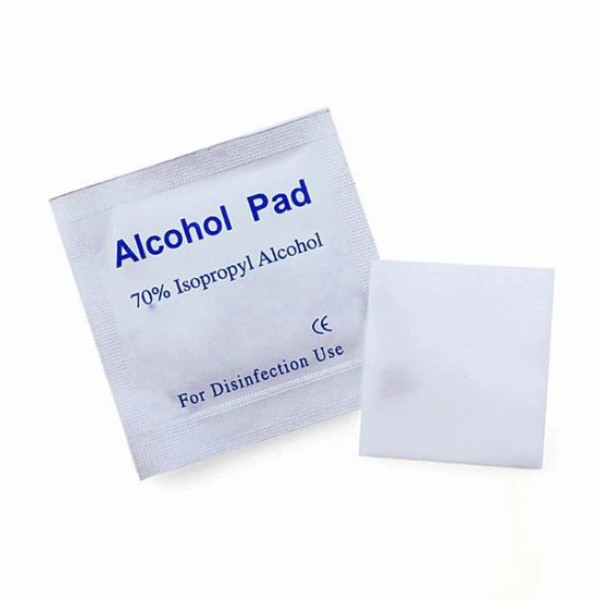
Alcohol Pads – Medical Grade
Price range: $4.99 through $8.99 Select options This product has multiple variants. The options may be chosen on the product page -
BAC Water & Supplies
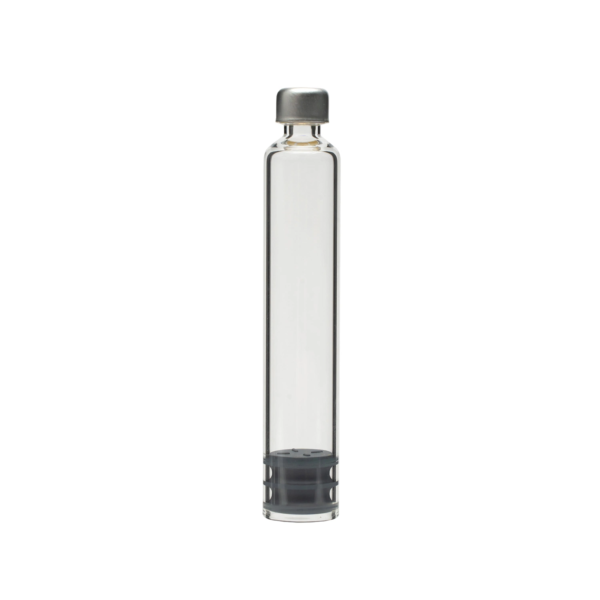
3mL Peptide Pen Refill Cartridges
Price range: $3.99 through $11.99 Select options This product has multiple variants. The options may be chosen on the product page -
BAC Water & Supplies
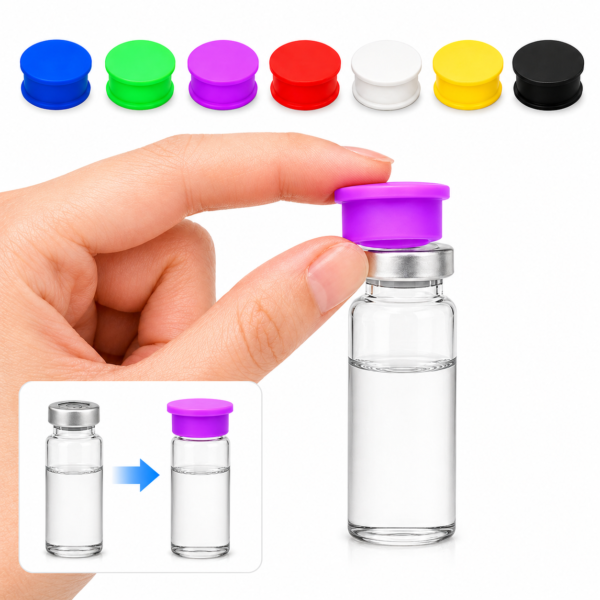
Vial Stoppers – Protect Your Peptides!
$1.99 Select options This product has multiple variants. The options may be chosen on the product page