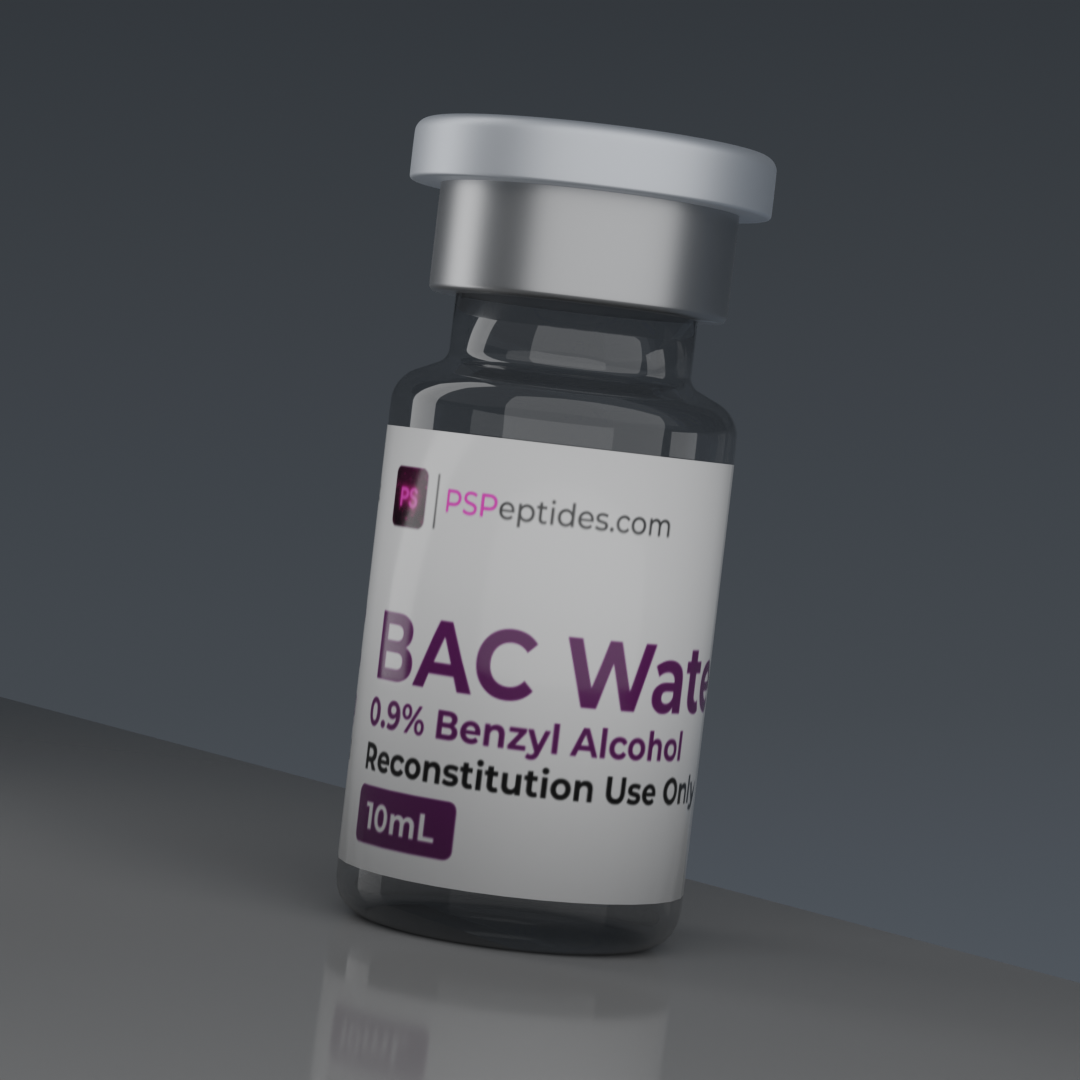
Bacteriostatic water is sterile water for injection that contains 0.9% (9 mg/mL) benzyl alcohol as a preservative. The benzyl alcohol suppresses bacterial growth, so a single vial can be punctured repeatedly across a 28-day use window without compromising the solution.
That multi-dose capability is why researchers rely on it to reconstitute peptides such as BPC-157, retatrutide, tirzepatide, and GHK-Cu. For a deeper overview, read our complete guide to bacteriostatic water.
Detailed Mechanism of Action
Bacteriostatic water works through a single active ingredient: benzyl alcohol at a concentration of 0.9%. Benzyl alcohol is an aromatic alcohol that partitions into the lipid membranes of bacteria. Once embedded, it increases membrane permeability and disrupts the transport proteins that microorganisms rely on to take in nutrients and maintain internal balance.
At 0.9%, the effect is bacteriostatic rather than bactericidal. In other words, the preservative does not instantly destroy every organism; it prevents bacteria that may be introduced during a needle puncture from multiplying to meaningful levels. That distinction matters, because the goal of bacteriostatic water is to protect a multi-dose vial between uses, not to sterilize a contaminated one.
Benzyl alcohol also denatures certain microbial enzymes and interferes with protein synthesis at the cellular level. Combined with the membrane effects, this creates an environment where common contaminants such as Staphylococcus and Pseudomonas species struggle to establish a population inside the vial.
For peptide work, the important point is that 0.9% benzyl alcohol is gentle enough to be compatible with most lyophilized research peptides. The water itself serves as the solvent, hydrating the freeze-dried peptide cake so it dissolves into a uniform solution. The preservative simply keeps that solution usable across repeated withdrawals over several weeks.
The water component is sterile water for injection, which is purified, filtered, and free of pyrogens before the preservative is added. Because bacteriostatic water contains no sodium chloride, it is hypotonic. This is one reason it is used as a diluent for small reconstitution volumes rather than as a large-volume solution in its own right.

Published Research
Benzyl alcohol has been studied as a pharmaceutical preservative for decades. Published work on multi-dose parenteral products consistently shows that preserved diluents limit microbial growth after repeated punctures far better than unpreserved sterile water. You can browse the literature on benzyl alcohol as a multi-dose vial preservative on PubMed.
Research on multi-dose vial contamination has also informed the widely followed 28-day discard rule. Studies of in-use vials found contamination rates rise with the number of punctures and the length of time a vial stays in use, which is why preserved solutions such as bacteriostatic water carry a defined use window after first entry. See the published studies on multi-dose vial contamination.
The literature also documents limits. Benzyl alcohol is not appropriate in neonatal settings, and high cumulative exposure has been associated with toxicity in that population. Researchers reviewing benzyl alcohol toxicity research will find this context useful when designing protocols.
Bacteriostatic Water vs Alternatives
| Feature | Bacteriostatic Water | Sterile Water | 0.9% Sodium Chloride |
|---|
| Preservative | 0.9% benzyl alcohol | None | None (single-dose versions) |
| Multi-dose use | Yes | No, single use | Only if preserved |
| Use window after opening | Up to 28 days | Discard after first use | Discard after first use |
| Tonicity | Hypotonic | Hypotonic | Isotonic |
| Peptide compatibility | Most lyophilized peptides | Most peptides, short-term | Some peptides; salt may affect solubility |
| Best for | Multi-week peptide protocols | Single-session preparations | Isotonic dilutions |
| Contamination protection | Inhibits bacterial growth | None once opened | None once opened |
| Cost per research use | Low (many draws per vial) | Higher (one draw per vial) | Higher (one draw per vial) |
For most peptide researchers, bacteriostatic water is the practical default. A small number of peptides, including some IGF-1 and growth hormone analogs, may call for dilute acetic acid instead. Always check the solubility notes for the specific compound you are working with.
Reconstitution & Handling
Reconstitution with bacteriostatic water is simple, but technique matters. Work on a clean surface, wash your hands, and wipe both vial stoppers with a 70% isopropyl alcohol swab. Let the stoppers air-dry before inserting a needle.
Draw the planned volume of bacteriostatic water into a sterile syringe. Insert the needle into the peptide vial and angle it so the liquid runs slowly down the inside wall of the glass rather than spraying directly onto the powder. Direct force can damage fragile peptide chains.
Once the water is added, gently swirl or roll the vial between your fingers until the powder dissolves. Do not shake it. Most peptides dissolve within one to two minutes; some take longer. The final solution should be clear with no visible particles.
Concentration depends on the volume you add. For example, adding 2mL of bacteriostatic water to a 10mg peptide vial produces 5 mg/mL, while 1mL produces 10 mg/mL. Our step-by-step peptide reconstitution guide and peptide dosage calculator walkthrough cover the math in detail.
Common Reconstitution Volumes for Popular Research Peptides
| Peptide Vial | Bacteriostatic Water Added | Resulting Concentration |
|---|
| 5mg vial | 1mL | 5 mg/mL |
| 5mg vial | 2mL | 2.5 mg/mL |
| 10mg vial | 2mL | 5 mg/mL |
| 10mg vial | 3mL | 3.33 mg/mL |
| 20mg vial | 2mL | 10 mg/mL |
| 50mg vial | 5mL | 10 mg/mL |
A single 10mL vial of bacteriostatic water typically covers several peptide vials at 1–3mL each. Labs running multiple compounds often choose the case of 10 or case of 25 so they always have a fresh, unopened vial ready.
Storage & Stability
Store unopened bacteriostatic water at controlled room temperature, 20–25°C (68–77°F), away from direct sunlight. Refrigeration is not required before opening, and freezing should be avoided because it can crack the glass or compromise the stopper seal.
After the first puncture, mark the date on the label and use the vial within 28 days. Discard it sooner if the liquid becomes cloudy, discolored, or shows any particles. Always check the expiration date printed on each vial before use.
Peptides reconstituted with bacteriostatic water should generally be refrigerated at 2–8°C and protected from light. Stability windows vary by compound, so review our peptide storage guide and learn the warning signs in how to tell if a peptide has degraded.
Certificate of Analysis
Every batch of PSPeptides bacteriostatic water ships with a batch-specific Certificate of Analysis. The COA documents sterility testing, benzyl alcohol concentration, endotoxin results, and appearance, along with the lot number and expiration date.
Match the lot number on your COA to the lot printed on the vial so you know exactly which results apply. If you are new to analytical documents, our guide on how to read a COA explains each section and what passing results look like.
Quality Assurance and Manufacturing Standards
Our bacteriostatic water is produced under controlled conditions using sterile water for injection and pharmaceutical-grade benzyl alcohol. Vials are filled, stoppered, and crimp-sealed in a clean environment to protect sterility from the start.
Each lot is independently tested before release. Batches that do not meet specifications for sterility, preservative concentration, or endotoxin limits are rejected, so only verified bacteriostatic water reaches your lab.
Consistent quality matters because the diluent touches every peptide you prepare. A contaminated or out-of-spec diluent can compromise an entire study, which is why we treat this product with the same standards as our research peptides.
Compatibility With Reconstitution Pens and Auto-Injectors
Many researchers transfer reconstituted solutions into multi-dose pen cartridges. Bacteriostatic water is well suited to this workflow because the preservative protects the solution through repeated pen dial-ups across several weeks.
When filling a cartridge, use the same aseptic technique you would for a vial: swab every septum, use a fresh sterile needle for each transfer, and avoid introducing air bubbles. Label each cartridge with the compound, concentration, and reconstitution date.
Why Researchers Choose PSPeptides
- US Manufactured: Produced and quality-checked in the United States.
- Third-Party Tested: Independent HPLC and mass spectrometry for peptides, plus sterility and endotoxin testing for bacteriostatic water.
- Fast Shipping: Free UPS 2nd Day Air over $150, same-day dispatch on orders before 2 PM EST.
- Flexible Payments: Credit cards, Afterpay, Klarna, Apple Pay, Google Pay.
- 7-Day Support: Email, phone, or text.
Aseptic Technique Best Practices
The preservative in a multi-dose diluent is a safeguard, not a substitute for good technique. Every puncture is a chance to introduce microorganisms, so consistent habits protect both the diluent and the peptides you prepare with it.
Start each session by cleaning the work surface and washing your hands thoroughly. Gloves add another layer of protection. Keep caps, needles, and swabs in their packaging until the moment you need them, and never set an uncapped needle down on the bench.
Swab the rubber stopper with 70% isopropyl alcohol before every entry, not just the first. Allow the alcohol to evaporate fully, which takes about 30 seconds. Inserting a needle through wet alcohol can carry residue into the vial.
Use a new sterile needle and syringe for each withdrawal. Reusing a needle dulls the tip, which can core the stopper and leave rubber fragments in the liquid. It also raises the risk of carrying contaminants from one vial to another.
Finally, keep a simple log. Record the date each vial was first opened, the lot number, and which peptide vials it was used to reconstitute. This makes it easy to follow the 28-day window and trace any issue back to its source.
Troubleshooting Reconstitution
Powder will not dissolve: Give the vial more time and continue gentle swirling. Some hydrophobic peptides need several minutes. Letting the vial rest in the refrigerator for a short period can also help. If the peptide still resists, check whether the manufacturer recommends an alternative solvent.
Foam or bubbles appear: This usually means the liquid was added too quickly or the vial was shaken. Let the vial sit undisturbed until the foam settles. Next time, aim the stream at the glass wall and add the diluent slowly.
Vial pressure makes drawing difficult: Adding liquid to a sealed vial increases internal pressure. Equalize it by drawing a small amount of air back into the syringe as you work, or inject an equal volume of air before withdrawing solution from a reconstituted vial.
Solution looks cloudy: A properly reconstituted peptide should be clear. Persistent cloudiness may signal aggregation, contamination, or an incompatible diluent. Do not use a cloudy solution in your research.
Diluent Selection for Different Peptide Classes
Most short and mid-length research peptides, including healing peptides like BPC-157 and TB-500 and metabolic peptides like retatrutide and tirzepatide, reconstitute cleanly in bacteriostatic water. Copper peptides such as GHK-Cu also dissolve readily, producing a characteristic blue solution.
A smaller group of compounds behaves differently. Certain growth factor analogs are more stable in a mildly acidic solution, and some very hydrophobic sequences may need a small amount of co-solvent before dilution. These exceptions are uncommon in typical peptide research, but they are worth checking before you begin.
When in doubt, reconstitute a small test volume first and confirm the solution is clear. Our peptide glossary explains common terms like lyophilized, hydrophobic, and isoelectric point that appear on solubility data sheets.
Choosing the Right Pack Size
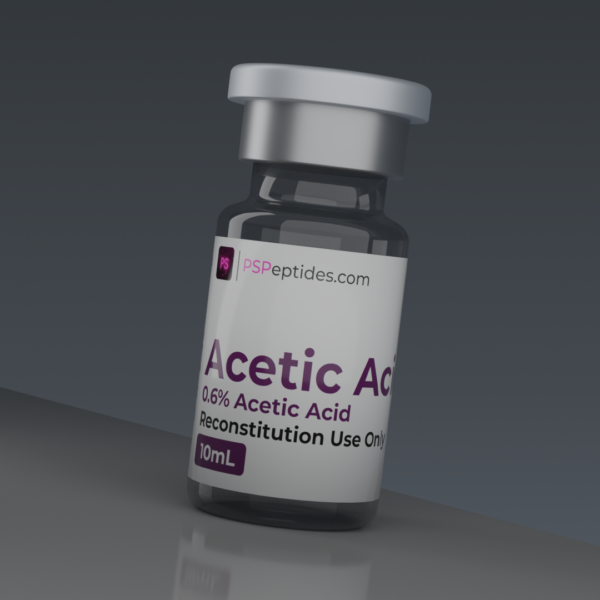
PSPeptides offers bacteriostatic water as a single 10mL vial, a case of 10 vials, or a case of 25 vials. A single vial suits researchers running one compound for a short study.
Labs working with several peptides at once, or running protocols longer than four weeks, usually benefit from a case. Because each vial should be discarded 28 days after first puncture, having fresh sealed vials on hand means you never stretch a vial past its use window. Bulk cases also lower the cost per vial and reduce how often you need to reorder.
Packaging and Shipping
Each vial is crimp-sealed with a flip-off cap that protects the stopper until first use. If the cap is missing or the seal appears loose on arrival, do not use that vial and contact our support team for a replacement.
Orders are packed to prevent breakage during transit, and cases ship with dividers so glass vials do not knock against each other. Because the product is stored at room temperature, no cold packs are needed, which keeps packaging simple and reliable across seasons.
Orders placed before 2 PM EST typically leave our facility the same business day. Tracking details are emailed as soon as the label is created, so you can plan your research schedule around the delivery date.
Regulatory and Compliance Considerations
PSPeptides bacteriostatic water is sold for laboratory and research use. Researchers are responsible for following the regulations, institutional policies, and safety procedures that apply to their work.
Peptide regulations continue to evolve. For current context, see our overviews on whether research peptides are legal in 2026 and the FDA peptide reclassification.
Frequently Asked Questions
How long does bacteriostatic water last after opening?
Once the stopper has been punctured, use the vial within 28 days. Unopened vials remain good until the expiration date printed on the label when stored at room temperature.
Can I use sterile water instead of bacteriostatic water?
Sterile water works for a single preparation, but it contains no preservative. If you plan to draw from a reconstituted vial more than once, bacteriostatic water is the better choice because it inhibits bacterial growth between uses.
How much bacteriostatic water should I add to a peptide vial?
It depends on the concentration you want. Most researchers add 1–3mL to a 5–10mg vial. Use a peptide calculator to convert your target dose into the right volume.
Does bacteriostatic water need to be refrigerated?
Unopened vials do not need refrigeration; store them at 20–25°C. Once a peptide has been reconstituted, refrigerate that solution at 2–8°C.
Why is my bacteriostatic water cloudy?
It should always be clear and colorless. Cloudiness, discoloration, or particles may indicate contamination or a compromised seal, so discard the vial and open a fresh one.
How many peptide vials can one 10mL vial reconstitute?
At 2mL per peptide vial, one 10mL vial covers about five reconstitutions, minus a small amount of dead space in the syringe. Ordering a case keeps fresh vials on hand.
Is the benzyl alcohol compatible with all peptides?
It is compatible with the large majority of research peptides at 0.9%. A small number of compounds have specific solvent recommendations, so always check the data sheet for the peptide you are preparing before reconstituting.
Related Resources
All PSPeptides products are sold exclusively for laboratory and research use. Not intended for human consumption.




 Made & Shipped