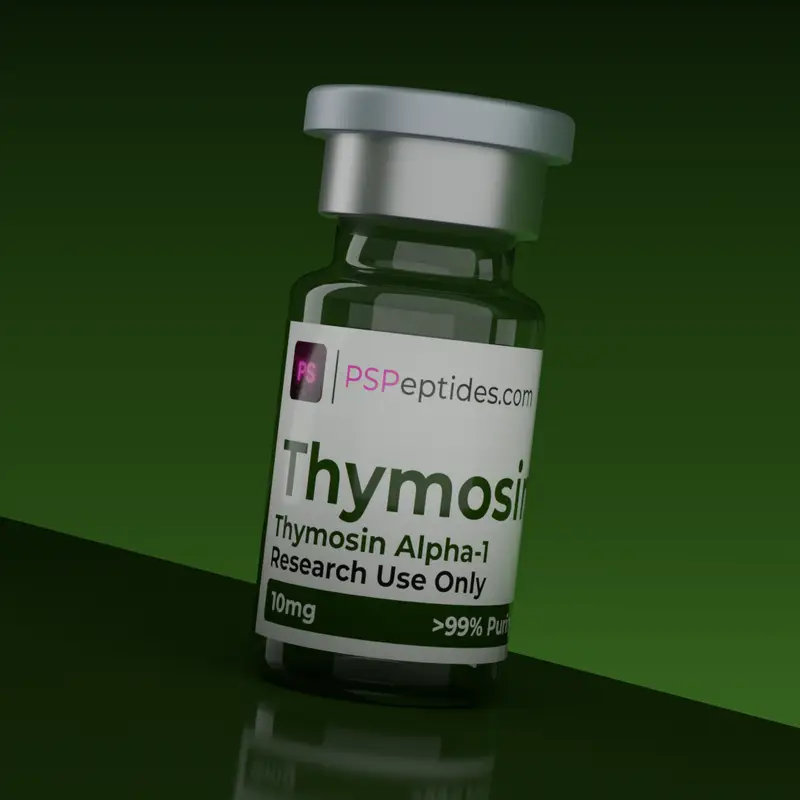
Thymosin Alpha-1 (Tα1) is a 28-amino acid peptide first isolated and characterized by Allan Goldstein in 1977. The thymus produces it endogenously as a regulator of T-cell maturation, differentiation and activation.
Investigators who buy thymosin alpha-1 in synthetic lyophilized form receive a compound sequence-identical to the endogenous peptide, which supports reproducible immunological study design. Published work characterizes it as a toll-like receptor 2 and toll-like receptor 9 agonist acting on myeloid and dendritic cells. Full background is covered in our Thymosin Alpha-1 immune research guide.
Detailed Mechanism of Action
Laboratories that buy thymosin alpha-1 for mechanistic work are studying a peptide that acts through several interconnected pathways rather than a single receptor. The best-characterized route is agonism at toll-like receptor 2 and toll-like receptor 9 on myeloid cells and dendritic cells, which initiates MyD88-dependent signaling.
Downstream of that signaling, published models report increased production of IL-2, IFN-γ and IL-12, alongside reduced IL-1β and TNF-α output. This combination is unusual: the peptide raises adaptive effector cytokines while damping selected pro-inflammatory mediators, which is why investigators who buy thymosin alpha-1 often use it as a probe for immune regulation rather than blunt stimulation.
A second documented mechanism is upregulation of MHC class I expression on target cells. Groups that buy thymosin alpha-1 for antigen-presentation assays measure this directly: greater MHC-I density improves presentation of intracellular antigens to cytotoxic CD8+ T-lymphocytes, a pathway of standing interest in tumor immunology where reduced MHC-I is a common immune-evasion feature.
Tα1 also supports T-cell maturation and activates natural killer cells in reported model systems. Research groups that buy thymosin alpha-1 for innate immunity assays typically measure NK proliferation and cytotoxic function as primary endpoints. Reported plasma half-life is approximately two hours, which shapes sampling schedules in pharmacodynamic study designs.

Published Research on Thymosin Alpha-1
The literature base is substantial and spans four decades. A comprehensive review by Dominari and colleagues in the World Journal of Virology (2020) consolidated the mechanistic and clinical record, describing Tα1 as a TLR-2 and TLR-9 agonist that supports T-cell maturation and activates NK and CD8+ T cells. That review is indexed in the PubMed thymosin alpha 1 comprehensive literature review.
The same review summarizes human trial data that research groups frequently cite for context. In chronic hepatitis B, a complete virological response was reported in 40.6% of patients on 1.6 mg twice weekly, and 26.5% after 52 weeks, although the authors note this application has been superseded. In hepatitis C, benefit appeared only in combination with interferon, and direct-acting antivirals have since replaced it. A randomized sepsis trial reported 9.0% lower mortality, and improved survival was reported in non-small cell lung cancer when combined with chemotherapy or radiation.
Earlier historical context comes from Enrico Garaci’s overview in the Annals of the New York Academy of Sciences (2007;1112:14–20), which traced the compound from Goldstein’s 1977 characterization through pilot trials and linked its activity to increased MHC class I and toll-like receptor expression. A separate review in Expert Opinion on Biological Therapy catalogued trials in hepatitis B and C, sepsis and aspergillosis in bone marrow transplant recipients, describing an excellent safety profile with a dose-related increase in effect — indexed as the NIH historical review of thymosin alpha 1 in infectious diseases. Investigators who buy thymosin alpha-1 for protocol design should read both reviews before finalizing endpoints.
Buy Thymosin Alpha-1 vs Comparable Research Peptides
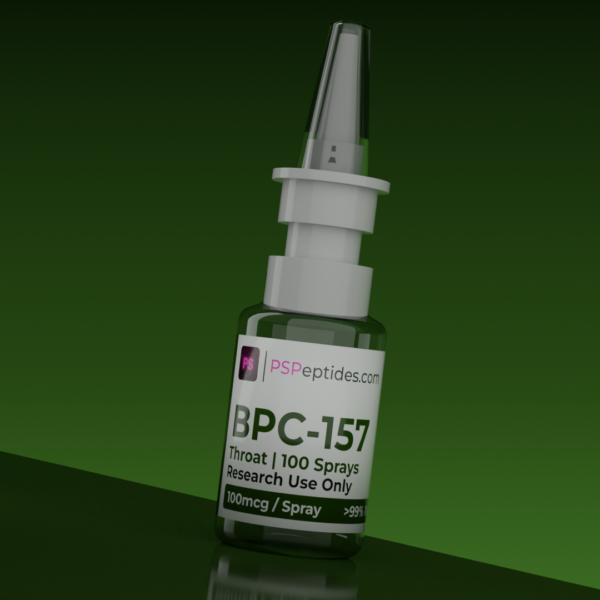
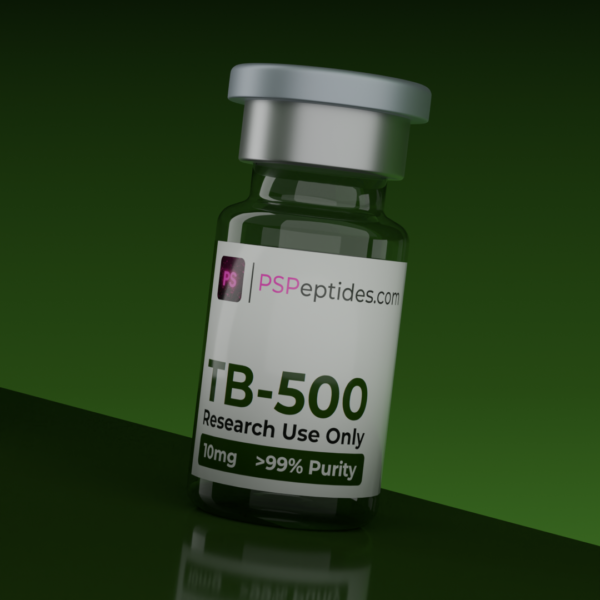
Tα1 is often evaluated alongside the other widely studied repair and regulation peptides. The table below outlines where they diverge.
| Feature | Thymosin Alpha-1 | TB-500 | BPC-157 |
|---|
| Primary research focus | Immune regulation, T-cell maturation | Tissue repair, actin regulation | GI and systemic repair |
| Molecular target | TLR2, TLR9, MHC-I | Actin, VEGF pathways | FAK-paxillin, VEGFR2 |
| Peptide length | 28 amino acids | 43 amino acids | 15 amino acids |
| Reported half-life | ~2 hours (plasma) | ~4–6 hours | ~4 hours (estimated) |
| Cytokine profile | IL-2, IFN-γ, IL-12 up | Anti-inflammatory bias | IGF-1 and VEGF modulation |
| Research fields | Immunology, virology, oncology | Musculoskeletal, wound healing | GI, neuroprotection |
| Literature volume | Extensive human and preclinical | Moderate preclinical | Extensive preclinical |
| PSPeptides availability | 5mg and 10mg vials, in stock | TB-500 vials | BPC-157 vials |
Comparative background is covered in our TB-500 Thymosin Beta-4 guide and our BPC-157 research guide.
Reconstitution and Laboratory Handling
Research groups that buy thymosin alpha-1 receive it as a lyophilized white powder requiring reconstitution before use in laboratory assays. The handling step is the same whichever size you buy thymosin alpha-1 in. Add sterile bacteriostatic water slowly down the inner wall of the vial rather than directly onto the cake, which limits mechanical disruption of the peptide.
For a 10mg vial, adding 2mL yields a 5mg/mL stock solution; 1mL yields 10mg/mL. For a 5mg vial, 1mL yields 5mg/mL. Our free peptide reconstitution calculator computes exact volumes for any target stock concentration, and our step-by-step reconstitution guide covers sterile technique in detail.
Mix by gently rolling the vial between the palms; never vortex or shake, as shear forces degrade peptide structure. Prepare working dilutions in the assay buffer appropriate to the protocol, and perform all handling in a clean environment using aseptic technique.
Storage and Stability
Material shipped when you buy thymosin alpha-1 arrives lyophilized, and in that state it is stable at −20°C for up to 24 months when protected from humidity and light. For short-term holding of one to four weeks, 4°C is acceptable, though −20°C remains preferable for inventory kept on hand.
Once reconstituted, store solutions at 4°C and use within approximately 28 days. Avoid repeated freeze-thaw cycles, which accelerate degradation, and keep solutions in amber vials or foil-wrapped containers to limit light exposure. Laboratories that buy thymosin alpha-1 in multiples should aliquot stock solutions to avoid repeatedly warming a single vial. Our peptide storage guide and our reference on identifying peptide degradation cover both topics in depth.
Certificate of Analysis
Every vial ships with a batch-specific Certificate of Analysis. Each order placed to buy thymosin alpha-1 is matched to documentation covering purity by independent HPLC chromatography and identity confirmation by electrospray mass spectrometry. COA values correspond to the exact production batch rather than a blanket certificate covering multiple runs.
Researchers who buy thymosin alpha-1 and want to verify the paperwork themselves should confirm that the HPLC trace shows a single dominant peak above 99% area, and that the mass spectrometry result matches the expected molecular weight for the 28-residue sequence. Our guide to reading a peptide COA explains each verification step. COAs are available on request by emailing the PSPeptides team with an order number.
Why Researchers Buy Thymosin Alpha-1 from PSPeptides
- US Manufactured: Synthesized in US-based facilities under documented quality control.
- Third-Party Tested: Independent HPLC and mass spectrometry on every production batch — no self-reported purity figures.
- Fast Shipping: Free UPS 2nd Day Air on orders over $200, with same-day dispatch before 2 PM EST on business days.
- Flexible Payments: Credit cards, Afterpay, Klarna, Apple Pay and Google Pay accepted at checkout.
- 7-Day Support: Research support by email, phone or text, seven days a week.
Ordering, Shipping and Payment
Both vial sizes are in stock and ship from the United States. Orders placed before 2 PM EST on a business day dispatch the same day, and orders above $200 ship free via UPS 2nd Day Air, so laboratories that buy thymosin alpha-1 alongside other inventory usually clear that threshold in a single order.
Checkout accepts major credit cards plus Afterpay, Klarna, Apple Pay and Google Pay, which lets research budgets spread larger restocks across installments. Every shipment is packed to protect the lyophilized powder in transit, and tracking is issued at dispatch.
Investigators who buy thymosin alpha-1 regularly can contact the support team about standing restock schedules. Browse the full Repair & Renew research peptide range to consolidate shipments, or add bacteriostatic water to the same order so reconstitution supplies arrive together.
Frequently Asked Questions
Where can I buy thymosin alpha-1 with verified purity?
PSPeptides supplies Tα1 in 5mg and 10mg lyophilized vials at 99%+ purity, with a batch-specific COA documenting independent HPLC and mass spectrometry results. Purity claims are tied to the production batch rather than a generic certificate, so the figure on the paperwork corresponds to the vial received.
What is the difference between Thymosin Alpha-1 and Thymosin Beta-4?
They are distinct peptides from the same family with largely non-overlapping mechanisms. Tα1 is a 28-amino acid immune regulator acting on T-cell maturation and cytokine signaling, while Thymosin Beta-4 (TB-500) is a 43-amino acid peptide studied mainly for actin regulation and tissue repair. Our TB-500 guide covers the comparison.
Is thymosin alpha-1 the same compound as Zadaxin?
Zadaxin is the branded pharmaceutical formulation of synthetic thymalfasin, approved in a number of countries outside the United States for specific clinical indications. Researchers who buy thymosin alpha-1 from PSPeptides receive the same amino acid sequence, CAS 62304-98-7, supplied as a research-grade lyophilized powder for laboratory use only — not as a pharmaceutical product. Our overview of research peptides versus prescription peptides explores the distinction.
What stock concentration should a laboratory prepare from a 10mg vial?
That depends on the assay volumes a protocol requires. Adding 1–2mL of bacteriostatic water to a 10mg vial produces a 5–10mg/mL stock, from which working dilutions are prepared in assay buffer. Groups needing very low working concentrations generally prefer a more dilute stock to improve pipetting accuracy. Use the peptide calculator to confirm volumes against the published protocol being replicated.
How fast do thymosin alpha-1 orders ship?
Both sizes are in stock. Orders placed before 2 PM EST on a business day dispatch the same day, and orders over $200 include free UPS 2nd Day Air. Tracking is emailed at dispatch, and the support team is reachable seven days a week if a shipment needs attention.
Research Context: Tα1 in Modern Immunology
Interest in thymic peptides has grown steadily since the thymic hormone system was first characterized in the 1960s and 1970s. Current work situates Tα1 within a broader framework of immune checkpoint and immune tolerance research, where the question is how regulatory signals govern T-cell activation without tipping into excessive inflammation.
That regulatory character is what distinguishes Tα1 from blunt immunostimulants, and it is a large part of why research groups buy thymosin alpha-1 when designing studies on immune tolerance and autoimmune mechanisms. The reported cytokine signature — effector cytokines up, selected pro-inflammatory mediators down — gives investigators a well-documented baseline to measure against.
Cross-species comparability is a further methodological advantage. Reported effects span murine, primate and human systems, giving teams that buy thymosin alpha-1 a translational framework when designing comparative immunology protocols. For adjacent longevity work, see our best peptides for longevity research overview and our peptides for immune support research guide.
Regulatory Context for Research Use
Research peptides occupy a regulatory category distinct from approved pharmaceuticals. Laboratories that buy thymosin alpha-1 from PSPeptides are purchasing a compound for laboratory research use, not an approved therapeutic product. Thymalfasin formulations hold clinical approval in several jurisdictions outside the United States, while in the US and EU the compound remains a research material.
Investigators should confirm the status applicable to their own jurisdiction, maintain documentation of research purpose, seek institutional review or ethics consultation where their institution requires it, and follow applicable laboratory safety rules for handling and disposal. Our overviews of research peptide legal status in 2026 and the FDA peptide reclassification update provide current context.
Verifying Research-Grade Quality Before You Order
The peptide supply market varies widely in quality, which makes independent verification the deciding factor when choosing where to buy thymosin alpha-1. HPLC chromatography for purity and electrospray mass spectrometry for molecular identity are the two analytical methods that matter, and both should be performed by a third-party laboratory rather than in-house.
When evaluating any supplier, request a batch-specific COA rather than a blanket certificate, check that the HPLC trace shows a single dominant peak above 99% area, and confirm the mass spectrometry result matches the expected molecular weight for a 28-residue peptide. A supplier unwilling to produce batch-level documentation is the clearest disqualifying signal.
PSPeptides tests every production batch through an independent laboratory and supplies the corresponding COA with each order. Teams comparing vendors before they buy thymosin alpha-1 can work through our supplier evaluation guide, our peptide company comparison for 2026 and our introduction to research peptides.
Assay Design Considerations for Tα1 Studies
Because Tα1 acts on receptor-mediated signaling rather than a single enzymatic target, study design matters more than with simpler compounds. Groups that buy thymosin alpha-1 for in vitro work commonly run concentration-response series across several log steps rather than testing a single point, since TLR-mediated responses frequently show non-linear behavior at the extremes.
Timing is the second variable worth planning around. Cytokine readouts such as IL-2, IFN-γ and IL-12 peak at different intervals after exposure, so single-timepoint designs can miss the effect entirely. Teams that buy thymosin alpha-1 for cytokine profiling typically sample at multiple intervals across the first 24 to 72 hours and run vehicle controls prepared from the same bacteriostatic water lot.
Cell source is the third consideration. Reported responses differ between primary monocyte-derived dendritic cells, peripheral blood mononuclear cell preparations and immortalized lines, so matching the published model being replicated is important when investigators buy thymosin alpha-1 to extend existing findings. Documenting the batch and COA reference alongside each dataset makes results reproducible across restocks.
Laboratory Safety and Handling Precautions
Standard laboratory precautions apply. Handle the lyophilized powder with care to avoid aerosolizing it, using a fume hood or biosafety cabinet for weighing and reconstitution steps where available. Nitrile gloves and protective eyewear are recommended throughout.
Treat reconstituted solutions as biologically active research reagents and store and dispose of them according to institutional protocols. Published safety data for Tα1 at research concentrations indicates it is not classified as a hazardous substance under standard laboratory frameworks, and the reviews cited above describe an excellent safety profile across extended study periods. Laboratories that buy thymosin alpha-1 for the first time should still document handling procedures as they would for any new research compound, and label all aliquots with batch, concentration and preparation date.
Related Research Resources
All PSPeptides products are sold exclusively for laboratory and research use. Not intended for human consumption.





 Made & Shipped