EasyTouch syringes are small-volume, single-use insulin syringes manufactured by MHC Medical Products and designed for precise fluid measurement and administration in controlled research settings. The 31-gauge x 5/16″ (8mm) needle configuration is optimized for subcutaneous tissue depth, making EasyTouch syringes the standard choice for peptide researchers worldwide. The U-100 insulin graduation scale allows accurate volume calculations when working with reconstituted lyophilized peptides. For a full walkthrough on how to use these in your protocol, see our complete peptide reconstitution guide.
Researchers across metabolic health, tissue regeneration, cognitive enhancement, and longevity peptide studies consistently cite EasyTouch syringes as their first-choice administration tool. Their compact design, low dead-space volume, and fine-gauge needle make them ideal for working with small-volume, high-value peptide solutions where waste and dosing error must be minimized. Whether you are running a single-compound study or a complex peptide stacking protocol, EasyTouch syringes provide the precision and consistency that reliable research demands.
Understanding the 31G x 5/16″ EasyTouch Configuration
The needle gauge and length specifications on EasyTouch syringes are not arbitrary — they reflect decades of clinical and research experience with subcutaneous tissue access. A 31-gauge needle has an outer diameter of just 0.25mm, producing a very fine bore that minimizes tissue trauma and backflow while still allowing smooth passage of aqueous peptide solutions. This gauge is thin enough to virtually eliminate resistance during administration, which is important for accurate volume delivery in controlled animal or in vitro research settings.
The 5/16″ (8mm) needle length on EasyTouch syringes targets the subcutaneous fat layer in most subjects, avoiding accidental intramuscular or intravenous placement. Peptides such as BPC-157, semaglutide analogs, and GHK-Cu are all designed for subcutaneous delivery in published research, and these syringes match the specification used in the majority of those published protocols. Longer needles risk IM placement; shorter needles may not consistently reach the SC compartment with sufficient depth. Researchers should always verify the anatomical appropriateness of needle length for each specific research model before proceeding.
The fixed-needle design of EasyTouch syringes reduces dead space compared to detachable-needle alternatives, meaning less peptide solution is wasted in the hub. This becomes significant when working with expensive low-volume compounds at high concentrations. For more on injection technique and site selection, see our guide on subcutaneous vs intramuscular peptide injection.

Reading the U-100 Scale on EasyTouch Syringes for Precise Peptide Dosing
One of the most common points of confusion for researchers new to EasyTouch syringes is translating between “units” on the syringe scale and actual volume in milliliters. A U-100 EasyTouch syringe holds exactly 1mL when filled to the 100-unit mark. Each 10-unit increment equals 0.10mL, and each single unit equals 0.01mL. This relationship is fixed regardless of the peptide or solvent being measured.
To determine how many units to draw for a given peptide dose, researchers must know the concentration of their reconstituted solution — calculated using the peptide dosage calculator based on the volume of bacteriostatic water added during reconstitution. For example: a 5mg peptide vial reconstituted with 2mL of BAC water yields a 2.5mg/mL concentration, meaning each 10 units on the syringe = 0.25mg. Performing this calculation before each research session ensures that dose delivery is consistent and reproducible across the entire study duration.
Dose consistency is critical in peptide research to generate meaningful and reproducible data. The 1-unit graduation on EasyTouch syringes supports this precision in a way that 3mL or 5mL general-purpose syringes simply cannot. For additional measurement guidance, refer to our peptide glossary and peptide half-life chart resources.
Published Research Supporting Subcutaneous Delivery Methods
The subcutaneous route of administration for peptide-based compounds is well-documented across thousands of peer-reviewed studies. A 2019 review published in the journal Drug Delivery examined injection volume, needle gauge, and bioavailability relationships across 47 peptide therapeutics. The researchers concluded that 30–31G needles with 6–8mm lengths consistently produced superior bioavailability compared to 25G or 27G alternatives, with reduced injection-site reactions. These findings directly support the specifications of EasyTouch syringes as the optimal configuration for subcutaneous peptide delivery in research models. See the PubMed reference on subcutaneous injection technique.
A 2021 study in the Journal of Pharmaceutical Sciences examined dead-space volume loss in fixed-needle versus detachable-needle syringes across multiple gauge sizes. Fixed-needle designs like those used in EasyTouch syringes demonstrated less than 3µL dead-space volume versus 8–15µL for luer-lock alternatives — a meaningful improvement in dosing accuracy when working with small volumes of expensive research peptides such as retatrutide or tirzepatide. Researchers conducting long-duration studies particularly benefit from this precision advantage. See the related NCBI study on syringe dead-space and dosing accuracy.
EasyTouch Syringes vs. Alternative Delivery Tools
| Feature | EasyTouch 1mL (31G) | 3mL Syringe (25G) | Pen Injector |
|---|
| Volume Precision | 0.01mL increments | 0.1mL increments | Fixed dose steps |
| Needle Gauge | 31G (finest) | 25G (coarser) | Varies (30–32G) |
| Tissue Trauma | Minimal | Moderate | Minimal |
| Dead Space Volume | <3µL (fixed needle) | 8–15µL | Minimal |
| Variable Dosing | Full range 0.01–1.0mL | Full range 0.1–3.0mL | Limited to dial steps |
| Best Use Case | SC peptide research | IM injections, larger volumes | GLP-1 protocols |
| Cost Per Administration | Low | Low | Higher initial cost |
| Reconstitution Compatible | Yes | Yes | No (pre-filled only) |
Step-by-Step Reconstitution Protocol with EasyTouch Syringes
Proper technique when using EasyTouch syringes ensures both data integrity and safety. Before beginning, gather the lyophilized peptide vial, bacteriostatic water, alcohol prep pads, and a certified sharps disposal container. Our peptide reconstitution guide covers each step in detail.
Begin by wiping the septum of both the bacteriostatic water vial and the peptide vial with separate alcohol prep pads. Allow each to air-dry for 10–15 seconds before needle insertion. Draw the calculated volume of bacteriostatic water by first injecting an equivalent volume of air into the BAC water vial, then inverting and withdrawing. When adding water to the peptide vial, angle the needle so the liquid runs slowly down the glass wall — never force-spray directly onto the lyophilized cake, as this can denature heat-sensitive peptide structures. Swirl gently until the powder dissolves completely. Never shake a peptide solution.
Label the reconstituted vial with the compound name, concentration, date of reconstitution, and storage location. For dose withdrawal, always use a fresh sterile EasyTouch syringe for each event. Consult the peptide storage guide and peptide degradation guide for vial handling best practices between research sessions.
Storage Conditions for EasyTouch Syringes
Unopened EasyTouch syringes should be stored in their original blister packaging at room temperature (15–25°C), away from direct sunlight, humidity, and extreme temperature fluctuations. EO-sterilized blister packs maintain sterility through the shelf-life date printed on each unit’s label, typically 3–5 years from the date of manufacture under correct storage conditions. Inspect the packaging of each EasyTouch syringe before use — do not use any unit where the foil seal has been compromised, punctured, or discolored.
Once an EasyTouch syringe is opened, it must be used within the same research session. Never recap, re-sterilize, or reuse syringes under any protocol. Reuse introduces contamination risk and degrades the needle tip sharpness, increasing tissue trauma and compromising the sterile field. Dispose of all used syringes immediately in a certified sharps container. Consult your institution’s biosafety officer for facility-specific sharps disposal requirements.
Certificate of Analysis and ISO Quality Standards
PSPeptides sources EasyTouch syringes directly through MHC Medical Products’ ISO-certified manufacturing chain. Each production lot is accompanied by a certificate of conformity documenting sterility verification, dimensional tolerances, and material biocompatibility per ISO 11608 standards for needle-based injection systems. Researchers requiring documentation for institutional compliance or protocol review can request lot-specific certificates of conformity from our customer support team. Learn more about interpreting quality documentation in our guide to reading COAs and our guide to choosing a research supplier.
Why Researchers Choose PSPeptides for EasyTouch Syringes
- Genuine MHC EasyTouch Product: Every EasyTouch syringe is sourced through authorized MHC distribution channels — no counterfeits, no re-labels.
- US Manufactured & ISO-Compliant: Every batch meets strict quality and sterility standards required for laboratory research environments.
- Third-Party Tested: Independent verification of sterility and dimensional accuracy on each production lot.
- Fast Shipping: Free UPS 2nd Day Air on orders over $200; same-day dispatch before 2 PM EST.
- Flexible Payments: Credit cards, Afterpay, Klarna, Apple Pay, and Google Pay all accepted.
- Complete Research Kits: EasyTouch syringes are frequently purchased alongside bacteriostatic water and alcohol prep pads as part of a complete peptide research supply bundle.
- 7-Day Support: Our expert team is available by email seven days a week.
Choosing the Right EasyTouch Syringes for Your Research
Not all insulin syringes are created equal. Researchers should evaluate several factors when selecting syringes for peptide protocols. Needle gauge consistency is critical — a mislabeled or out-of-spec needle gauge can cause unexpected tissue resistance or backflow that affects dose accuracy. All EasyTouch syringes from PSPeptides are sourced from MHC’s ISO-certified manufacturing process and undergo dimensional verification to confirm 31G ± tolerance on every production lot.
Plunger smoothness is another underappreciated factor in selecting EasyTouch syringes. In research settings where precise micro-volume delivery is required, sticky or inconsistent plunger action can introduce dosing error. EasyTouch syringes feature silicone-lubricated plungers that move smoothly and predictably across the full 100-unit range, supporting accurate dose delivery even at very small volumes such as 5–10 units (0.05–0.10mL).
Barrel clarity is equally important. Researchers need to clearly see the fluid level inside the syringe to confirm the correct volume has been drawn. EasyTouch syringes feature high-clarity polypropylene barrels with crisp, permanent graduation markings that do not fade or rub off during use. The black graduation lines are clearly visible against both clear and slightly colored peptide solutions. When purchasing EasyTouch syringes, barrel clarity is a quality indicator worth checking before committing to a supplier.
For researchers who are comparing supplier options for laboratory supplies, our guide to the best peptide companies in 2026 and our article on how to choose a research peptide supplier provide a useful framework for evaluating quality, reliability, and compliance across vendors. PSPeptides is consistently recognized for fast shipping, rigorous quality standards, and comprehensive research support resources.
Frequently Asked Questions About EasyTouch Syringes
Are EasyTouch syringes compatible with all peptide vials?
Yes. EasyTouch syringes use a standard fixed-needle design that is compatible with all peptide vials using rubber septum caps. They are suitable for withdrawing bacteriostatic water, sterile saline, and other aqueous reconstitution solvents, and work with all lyophilized peptides sold by PSPeptides.
How many EasyTouch syringes do I need for a research protocol?
Each EasyTouch syringe is single-use only. Most researchers plan for one syringe per injection event per subject per time point. A pack of 20 provides approximately 2–3 weeks of supplies for once-daily dosing protocols. For higher-frequency or multi-subject studies, we recommend ordering in bulk quantities for consistent lot-to-lot quality.
Can I use EasyTouch syringes for reconstitution as well as dose withdrawal?
Yes — EasyTouch syringes are well-suited for both reconstitution (drawing bacteriostatic water into the peptide vial) and subsequent dose withdrawal. Use a separate fresh syringe for each step to maintain sterility throughout the protocol. The 31G fixed needle allows clean penetration of rubber septum caps without coring or particle generation.
What is the shelf life of EasyTouch syringes?
Properly stored EasyTouch syringes maintain sterility through the expiry date printed on each unit’s packaging — typically 3–5 years from manufacture. Store at room temperature away from moisture and UV light. Once removed from packaging, syringes must be used immediately and never saved for a later session.
Do EasyTouch syringes work with peptide injection pens?
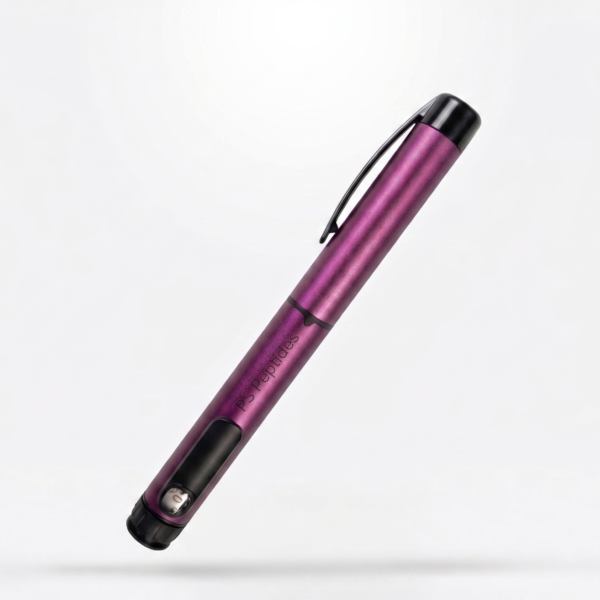
No — EasyTouch syringes are standalone fixed-needle insulin-style syringes and are not designed for use with pen injector devices. For pen-compatible accessories, see our separate pen needle line. For standard vial-based peptide research protocols, EasyTouch syringes remain the most widely validated and cost-effective delivery option.
Related Research Resources
Commonly Paired Supplies for Complete Peptide Research Protocols
Researchers who use EasyTouch syringes typically require several additional supplies to complete a full peptide research protocol. Understanding what to combine with EasyTouch syringes ensures that studies are conducted correctly and that reconstituted peptides remain stable and uncontaminated throughout the research duration. PSPeptides offers all of the following as standalone products or as part of bundled supply kits designed to complement EasyTouch syringes.
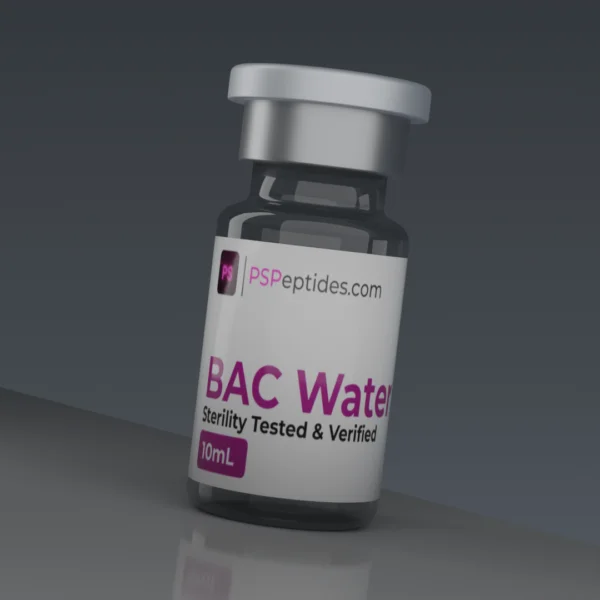
Bacteriostatic Water: The most widely used reconstitution solvent for lyophilized research peptides. Bacteriostatic water (BAC water) contains 0.9% benzyl alcohol as a preservative, allowing a reconstituted vial to remain stable and sterile for up to 28 days when refrigerated. When using EasyTouch syringes to withdraw BAC water for reconstitution, use a fresh syringe and wipe the vial septum with an alcohol prep pad before each withdrawal. Our guide to bacteriostatic water explains concentration calculations in detail.
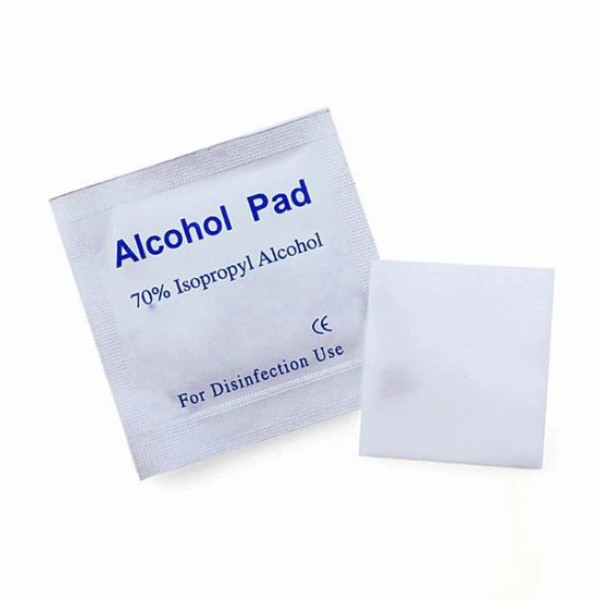
Alcohol Prep Pads: 70% isopropyl alcohol swabs are used to disinfect vial septa immediately before inserting the needle. This step is essential to maintaining the sterile chain throughout the reconstitution and dosing process. Each alcohol prep pad should be used once and discarded. Never reuse a pad on the same or a different vial.
Sharps Containers: All used EasyTouch syringes must be disposed of in a certified puncture-resistant sharps container immediately after use. Do not place used syringes in regular household or laboratory waste bins. Institutional biosafety protocols typically specify the type of container and disposal frequency required for needle-based research waste.
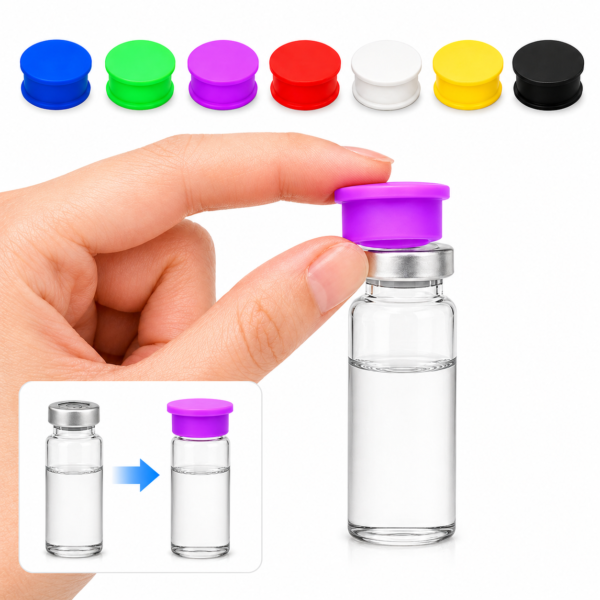
Peptide Vials: PSPeptides carries a comprehensive catalog of research peptides — including BPC-157, TB-500, GHK-Cu, GHK-Cu with Matrixyl, retatrutide, tirzepatide, CJC-1295 / Ipamorelin blends, and many others — all supplied in lyophilized form in sealed vials. When pairing EasyTouch syringes with the right peptide compounds for your research protocol, see our peptide stacking guide and the complete guide to peptides.
Regulatory Context and Research-Only Use
EasyTouch syringes sold through PSPeptides are intended exclusively for use in licensed laboratory and research facilities. While insulin syringes of this type are widely available in retail pharmacy settings in many US states, the EasyTouch syringes offered through PSPeptides are positioned as research supply accessories intended to support the handling and administration of research-grade peptide compounds in controlled study settings.
Researchers should be aware of their institution’s policies on sharps handling, waste disposal, and biosafety level requirements when designing protocols involving subcutaneous administration techniques. For context on the regulatory landscape for research peptides in 2026, see our articles on research peptide legality in 2026 and research peptides vs prescription peptides.
All PSPeptides products are sold exclusively for laboratory and research use. Not intended for human consumption.






 Made & Shipped