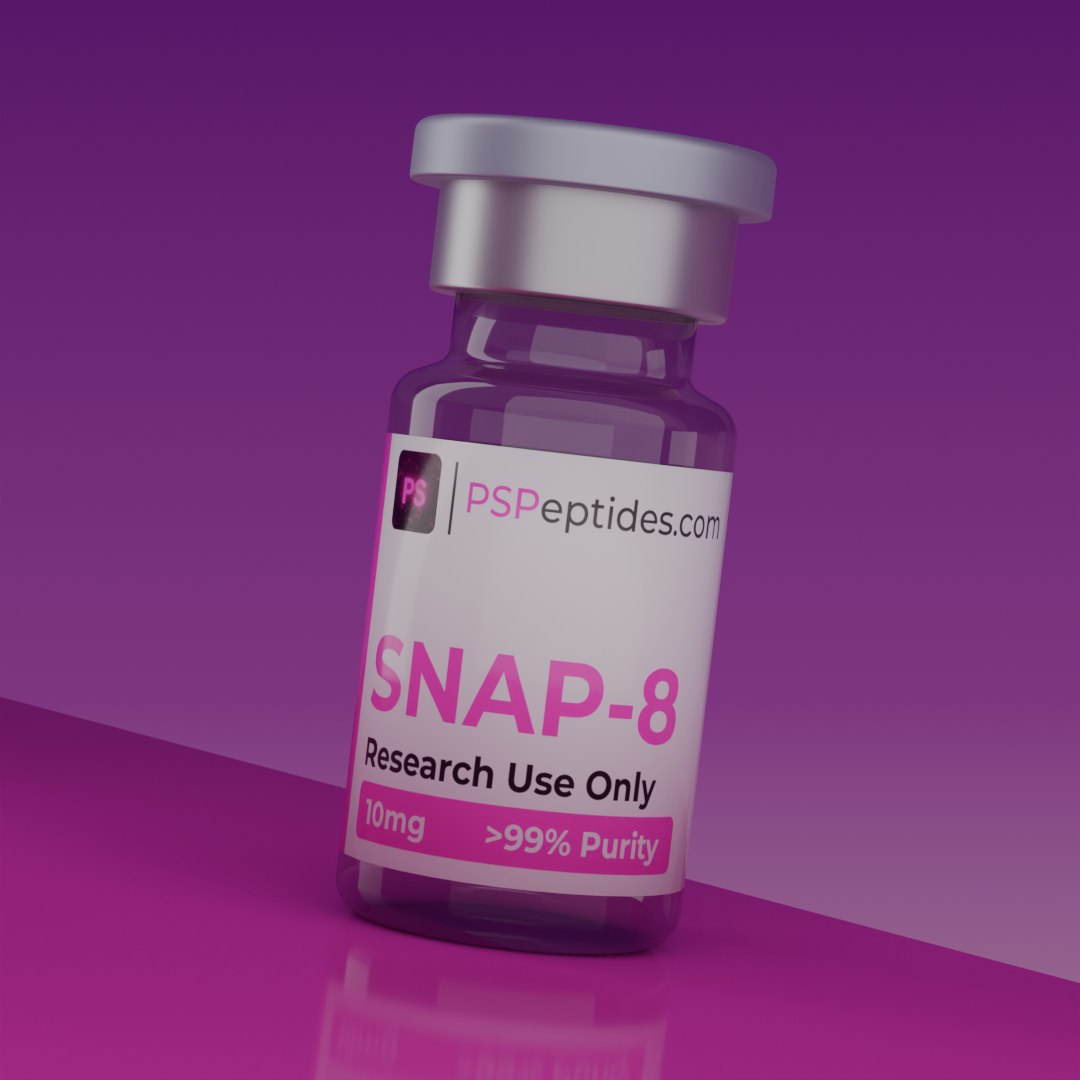
Researchers who buy SNAP-8 online from PSPeptides receive a batch-specific Certificate of Analysis with every order, same-day dispatch on orders placed before 2 PM EST, and free UPS 2nd Day Air shipping on orders over $200. Many labs buy SNAP-8 in larger quantities once pilot testing confirms consistent batch-to-batch purity.
SNAP-8 (Acetyl Octapeptide-3) is a peptide analog derived from the N-terminal region of SNAP-25, a core component of the SNARE protein complex that docks synaptic vesicles before neurotransmitter release at the neuromuscular junction. It is structurally related to the shorter hexapeptide Argireline (Acetyl Hexapeptide-8) but carries an extended eight-residue sequence that researchers study for potentially stronger interaction with the SNARE assembly.
In research settings, this mechanism is examined as a topical alternative to injectable approaches for reducing the appearance of expression lines. Labs that buy SNAP-8 often study it alongside related cosmetic peptides covered in our skin peptide comparison guide and our broader guide to peptides for skin research.
Laboratories that buy SNAP-8 typically incorporate it into one or more of the following research applications, often selecting it because its mechanism is well documented relative to newer signal peptides:
Detailed Mechanism of Action: SNARE Complex Inhibition
The SNARE complex is a group of proteins — SNAP-25, syntaxin, and VAMP (synaptobrevin) — that mediate the fusion of synaptic vesicles with the presynaptic membrane, a step required for acetylcholine release at the neuromuscular junction. When these three proteins zip together into a stable four-helix bundle, the vesicle is pulled against the membrane and its contents are released into the synaptic cleft.
SNAP-8 is modeled on the N-terminal end of SNAP-25 and is designed to compete with the native protein for its position in that bundle. In research models, this competition is associated with a less stable SNARE complex, reduced vesicle fusion, and, downstream, reduced muscle contraction signaling.
This is the same general pathway targeted by injectable neuromodulators, but SNAP-8 is studied exclusively as a topical research compound rather than an injectable one, which is why most labs buy SNAP-8 for formulation and cell-based work rather than in vivo injection models.
Because the eight-residue sequence of SNAP-8 differs from shorter hexapeptide analogs, research protocols frequently examine whether the extended structure translates into different binding kinetics or a longer duration of activity in cell culture models. Investigators who buy SNAP-8 for this work typically document dose-response relationships in vitro, examining how varying concentrations affect the degree of SNARE complex inhibition observed in cell-based assays.
Readers looking for a deeper grounding in vesicle fusion biology can consult the PubMed-indexed review SNARE function revisited, which summarizes how SNAP-25, syntaxin, and synaptobrevin cooperate during exocytosis. Our peptide glossary also defines the terminology used throughout SNAP-8 research write-ups.

Published Research
The scientific basis for SNAP-8 comes from work on its shorter predecessor. Blanes-Mira and colleagues (International Journal of Cosmetic Science, 2002) first described a hexapeptide patterned on the N-terminus of SNAP-25, showing that it inhibited SNARE complex assembly and catecholamine release in vitro and reduced wrinkle depth by roughly 30% after 30 days of topical application in a small human study.
SNAP-8 was developed afterward as an extended analog of that sequence, and most groups that buy SNAP-8 today cite this lineage when justifying the compound in their protocols.
Wang and colleagues (2013) later published a randomized, placebo-controlled study of the hexapeptide in Chinese subjects, reporting a significant anti-wrinkle effect after four weeks of twice-daily application. Objective roughness measurements from silicone replicas decreased in the treatment group, with no comparable change in the placebo group. Together these studies established the SNARE-mimic concept that SNAP-8 research builds upon.
More recently, a 2021 randomized, double-blind, placebo-controlled trial of a serum built around neuromodulating peptides followed 55 women aged 35 to 60 for 12 weeks. Dermatologist grading, VISIA photography, and 3D PRIMOS imaging all favored the peptide serum over placebo for expression lines at weeks 4, 8, and 12.
Researchers who buy SNAP-8 for comparative work often use these designs as a template for their own in vitro and ex vivo protocols. Many also combine findings from SNAP-8 research with the longevity-focused compounds discussed in our guide to peptides for longevity and anti-aging research when designing broader skin-aging study frameworks.
SNAP-8 vs. Alternatives
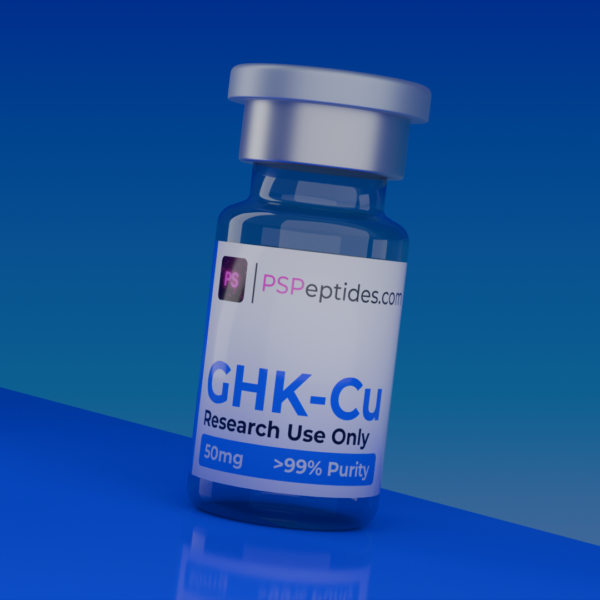
SNAP-8 belongs to a family of signal and neurotransmission-inhibiting peptides used in cosmetic research, distinct from structural peptides like GHK-Cu or collagen-stimulating Matrixyl-type compounds. Those peptides are studied for their role in skin remodeling, firmness, and collagen synthesis, as covered in our GHK-Cu complete guide and GHK-Cu topical serum guide.
SNAP-8 research, by contrast, focuses specifically on the neuromuscular pathway involved in expression line formation. This is one reason many labs buy SNAP-8 specifically to isolate neuromuscular signaling from collagen-focused mechanisms in comparative study designs.
| Feature | SNAP-8 (Acetyl Octapeptide-3) | Argireline (Acetyl Hexapeptide-8) | GHK-Cu (Copper Peptide) |
|---|
| Sequence length | 8 amino acids | 6 amino acids | 3 amino acids plus copper ion |
| Primary mechanism | SNAP-25 mimic; competes within the SNARE complex | SNAP-25 mimic; competes within the SNARE complex | Copper delivery; collagen and extracellular matrix signaling |
| Research focus | Expression lines, neuromuscular signaling | Expression lines, neuromuscular signaling | Skin remodeling, wound healing, hair research |
| Structural distinction | Extended sequence studied for stronger, longer SNARE interaction | Original reference compound | Different pathway; not directly comparable |
| Typical research format | Topical formulation, in vitro SNARE assays | Topical formulation, in vitro SNARE assays | Topical, in vitro, and injectable models |
| Published human data | Limited; relies on hexapeptide and multi-peptide serum trials | Several randomized, placebo-controlled trials | Extensive, including clinical skin studies |
| Storage (lyophilized) | -20°C, protect from light and moisture | -20°C, protect from light and moisture | -20°C, protect from light and moisture |
| Common research pairing | GHK-Cu, Matrixyl-type peptides | SNAP-8, structural peptides | SNAP-8, BPC-157 in healing models |
Compared to Argireline, SNAP-8’s extended sequence is studied for potentially different binding kinetics, which is why side-by-side comparative assays remain a common research design when evaluating which peptide, or combination of peptides, best suits a given protocol. Many labs buy SNAP-8 and a hexapeptide reference together for exactly this reason, and frequently consult our complete guide to peptides when designing comparative studies across peptide classes.
SNAP-8 in Combination Research Protocols
Because SNAP-8 targets neuromuscular signaling rather than collagen production or skin barrier function, many research teams that buy SNAP-8 design protocols that pair it with peptides operating through different mechanisms. A study examining expression lines might combine SNAP-8 with a structural peptide to evaluate whether reducing muscle-driven wrinkle formation alongside promoting dermal matrix support produces measurably different outcomes than either mechanism studied alone.
This kind of multi-mechanism design requires careful documentation of each peptide’s concentration, reconstitution method, and application schedule so that any observed effects can be attributed correctly. Researchers combining SNAP-8 with other cosmetic peptides should also confirm the peptides are compatible in the same formulation base, since pH and excipient interactions can affect the stability of both compounds.
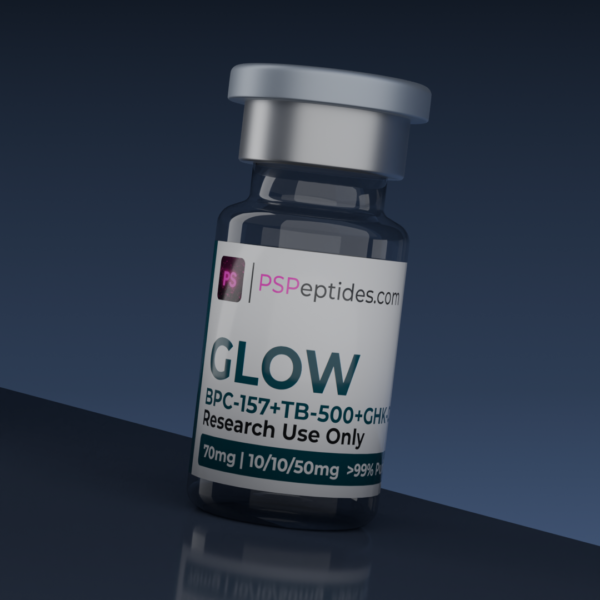
When designing these protocols, it is good practice to run single-compound control arms alongside the combination arm so that SNAP-8’s individual contribution remains distinguishable. Our peptide stacking guide walks through how to structure multi-peptide research designs, and labs that buy SNAP-8 together with GHK-Cu often use it as a starting framework.
Reconstitution & Handling
SNAP-8 is supplied as a lyophilized powder and requires reconstitution with bacteriostatic water before use in solution-based research applications. Many researchers add a vial of diluent to their cart when they buy SNAP-8 so both arrive together. For step-by-step instructions, see our complete peptide reconstitution guide and our explainer on what bacteriostatic water is.
A common starting point for a 10mg vial is 2 mL of bacteriostatic water, which yields a 5 mg/mL stock solution; 1 mL yields 10 mg/mL for protocols that need a more concentrated stock. Add the diluent slowly down the inside wall of the vial and swirl gently rather than shaking, since vigorous agitation can damage the peptide.
Use our free peptide reconstitution calculator to determine exact volumes for your desired research concentration. Once reconstituted, SNAP-8 solutions should be stored at 4°C and used within 28 days to preserve peptide integrity.
Researchers working with topical formulation studies should also account for excipient compatibility, since carrier bases or emulsifiers can affect peptide stability compared to a simple aqueous solution. Always use sterile technique when withdrawing from the vial to reduce the risk of contamination between uses.
Storage & Stability
Plan storage capacity before you buy SNAP-8 in bulk. Lyophilized SNAP-8 is stable for extended periods when stored at -20°C and protected from light and moisture, and short-term refrigeration at 2–8°C is acceptable while a vial is in active use. Repeated freeze-thaw cycles of a reconstituted solution can degrade peptide integrity over time, so many research teams aliquot reconstituted SNAP-8 into smaller single-use volumes.
Our peptide storage guide covers best practices for both lyophilized and reconstituted peptides in more detail, including how ambient temperature exposure during shipping can be mitigated with proper handling on arrival. If you are unsure whether a vial has degraded, our guide to identifying peptide degradation outlines visual and analytical indicators worth checking before use in a study.
As a general rule, any unexpected cloudiness, discoloration, or precipitate in a reconstituted SNAP-8 solution should prompt further verification before the material is used in a research protocol.
Certificate of Analysis
Every vial of SNAP-8 from PSPeptides ships with a batch-specific Certificate of Analysis documenting purity verification via HPLC and identity confirmation via mass spectrometry. COAs are available for download on the product page or upon request, and many researchers request a sample COA before they buy SNAP-8 in bulk for a new project.
A COA for SNAP-8 typically reports two key data points: an HPLC purity percentage and a mass spectrometry result confirming the peptide’s molecular identity. The HPLC chromatogram separates the sample into its component compounds, and the area under the primary peak relative to the total peak area is used to calculate the purity percentage reported on the COA.
Mass spectrometry independently confirms that the primary compound matches the expected molecular weight of SNAP-8, which rules out the possibility that a sample contains the wrong peptide entirely. Reviewing both data points together gives a more complete picture of what is actually inside the vial before it is used in a study.
Learn more about how to read a peptide COA so you can independently verify every batch you receive. Maintaining COA records each time you buy SNAP-8 is also good research practice, since it creates a documented reference point if results ever need to be reproduced or compared against a different batch or supplier.
Quality & Sourcing Standards
PSPeptides sources SNAP-8 from US-based manufacturing partners and requires batch-specific documentation before any lot is listed for sale, so that when you buy SNAP-8 the lot has already been qualified. Every vial is independently tested via HPLC to confirm purity and mass spectrometry to confirm peptide identity, and the resulting Certificate of Analysis is made available to researchers for review.
This level of documentation allows research teams to cross-check purity claims against their own analytical standards rather than relying on unverified vendor statements. When you buy SNAP-8 online, the same lot-specific COA used to qualify the product for sale is the one you can request for your own records, making it easier to maintain a documented chain of custody throughout a protocol.
For guidance on evaluating vendors more broadly, see our guide to choosing a research peptide supplier, which outlines the documentation and testing standards researchers should expect before choosing where to buy SNAP-8 or any other research peptide.
Research Design and Documentation
Because SNAP-8 is studied primarily as a topical research compound, many protocols examine it in a delivery vehicle such as a serum or emulsion base rather than in isolation. Researchers should account for excipient interactions, pH stability, and penetration characteristics when designing in vitro or ex vivo skin models.
Comparative designs — testing SNAP-8 alongside Argireline or other neuromuscular-signaling peptides — are common because they allow relative potency and duration-of-effect data to be generated within a single experimental framework. Researchers who buy SNAP-8 for these formulation studies often pair it with the delivery-vehicle guidance in our topical peptide resources.
Consistent documentation is one of the most overlooked aspects of peptide research. Recording the vial’s batch number, the COA on file for that batch, the exact reconstitution volume and diluent used, and the storage conditions maintained throughout the study creates a record that can be referenced if results are questioned or a study needs to be repeated.
Many teams keep a simple log linking each experiment to the specific SNAP-8 batch used, which becomes especially useful when you buy SNAP-8 across multiple orders or when a supplier updates its manufacturing process.
Why Researchers Buy SNAP-8 from PSPeptides
- US Manufactured: All peptides are synthesized in US-based facilities
- Third-Party Tested: Independent HPLC and mass spectrometry verification on every batch
- Fast Shipping: Free UPS 2nd Day Air on orders over $200, same-day dispatch before 2 PM EST
- Flexible Payments: Credit cards, Afterpay, Klarna, Apple Pay, Google Pay
- 7-Day Support: Email, phone, or text
Whether you are sourcing SNAP-8 for sale as part of a single study or an ongoing cosmetic peptide research program, PSPeptides provides consistent, batch-tested material backed by documentation you can verify. Researchers looking to buy SNAP-8 online can rely on transparent sourcing, fast fulfillment, and a support team familiar with proper handling and storage requirements. See how we compare in our overview of the best peptide companies in 2026.
Shipping, Ordering & Support
Researchers who buy SNAP-8 online from PSPeptides benefit from same-day dispatch on orders placed before 2 PM EST, free shipping on every order, and free UPS 2nd Day Air on orders over $200. Order tracking is provided automatically once a shipment leaves our facility, and every SNAP-8 vial arrives with its batch-specific documentation ready for download.
Our support team is available seven days a week by email, phone, or text to help with questions about reconstitution, storage, or COA interpretation before or after you buy SNAP-8. Whether you are placing a first order or restocking SNAP-8 for an ongoing research program, the ordering process is designed to get verified material into your lab quickly and with complete documentation.
Frequently Asked Questions
Is SNAP-8 the same as Argireline?
No. SNAP-8 (Acetyl Octapeptide-3) shares a related mechanism with Argireline (Acetyl Hexapeptide-8) but uses a longer eight-residue sequence, and the two are studied as distinct research compounds with potentially different binding characteristics and duration of activity.
What concentration should I use when I buy SNAP-8 for a study?
Concentration depends entirely on your specific research protocol. Use our peptide reconstitution calculator as a starting point and consult published literature for the concentration ranges used in comparable in vitro and topical formulation studies.
How long does a SNAP-8 10mg vial last once reconstituted?
Reconstituted SNAP-8 should be stored at 4°C and used within 28 days. Aliquoting into single-use volumes can help preserve integrity if your protocol spans multiple sessions, or you can buy SNAP-8 in several vials and reconstitute one at a time.
Does every order include a Certificate of Analysis?
Yes. Every SNAP-8 vial ships with a batch-specific COA documenting HPLC purity results and mass spectrometry identity confirmation, and you can request a sample COA before you buy SNAP-8 in bulk.
Can SNAP-8 be studied alongside other cosmetic peptides?
Yes. Many labs buy SNAP-8 together with structural or regenerative peptides such as GHK-Cu for combination protocols, provided formulation compatibility and individual control arms are built into the study design.
Is SNAP-8 shipped internationally?
Shipping availability varies by destination. Check the checkout page for current shipping options, or contact our support team before you buy SNAP-8 if you have questions about delivery to your region.
Why do researchers prefer batch-tested SNAP-8 over unverified sources?
A batch-specific COA lets researchers confirm purity and identity before a compound enters a study, reducing the risk of confounded results caused by an unverified or misidentified peptide. This is the main reason labs choose to buy SNAP-8 from a supplier that publishes lot-specific testing.
Related Resources
All PSPeptides products are sold exclusively for laboratory and research use. Not intended for human consumption.





 Made & Shipped